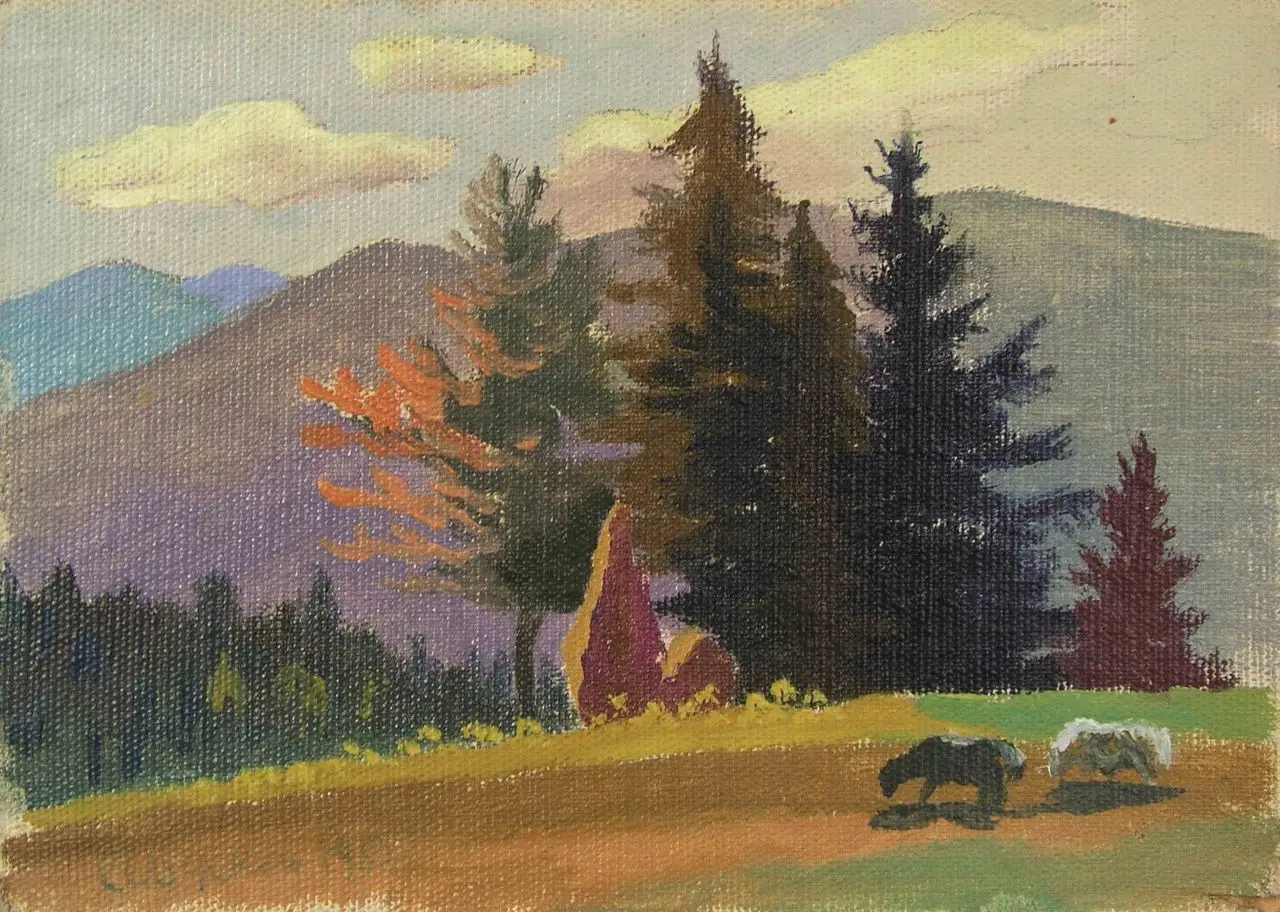
Mykulychyn in the Carpathian foothills was one of the places Selsky returned to work.
Author:Roman SelskyPlace: MykulychynDimensions: cm: Original: Fair useReference to: Original
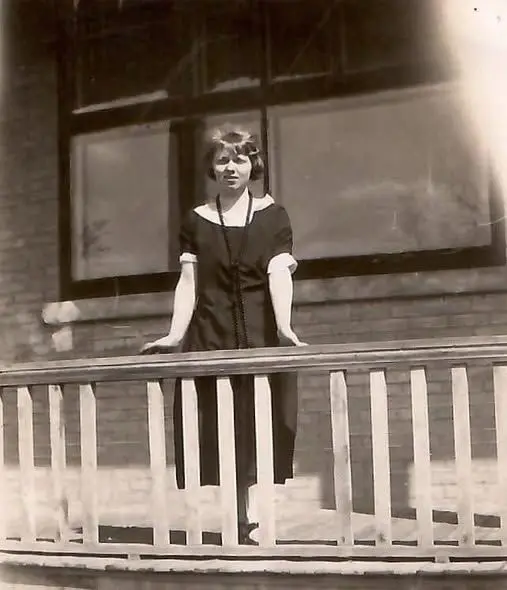
Kharytia Kononenko in CanadaKharytia Kononenko during her stay in Canada. From the holdings of the Central State Archive of Public Organisations and Ukrainica.
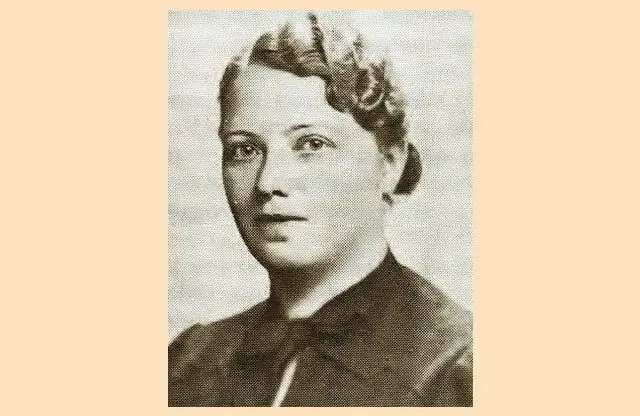
Kharytia Kononenko, portraitPortrait of Kharytia Kononenko — journalist, doctor of philosophy, law and economics, and one of the leaders of the Ukrainian Red Cross in Volhynia.
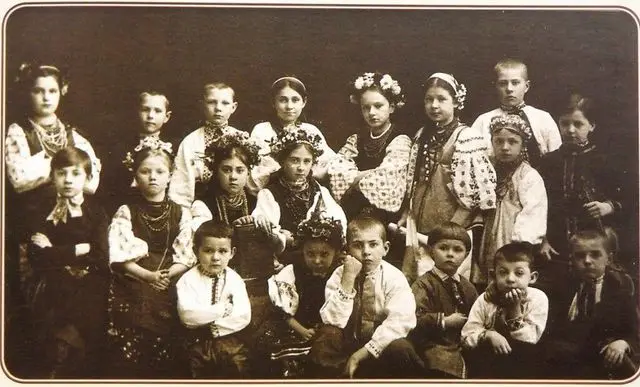
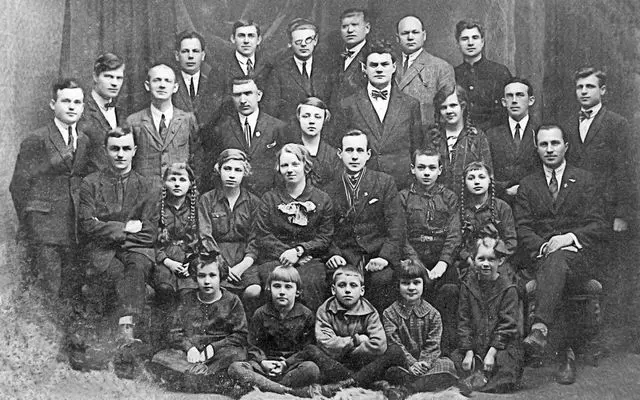
Shevchenko commemoration at the Ukrainian ClubKyiv, February 1909. Shevchenko commemoration at the Ukrainian Club. Eight-year-old Kharytia Kononenko is second from left in the second row from the bottom. From the collection of researcher Tamara Skrypka.
Plast scouts in Poděbrady22 April 1926. Plast scouts in Poděbrady. Kharytia Kononenko sits in the centre of the second row. From the private archive of Roman Koval.
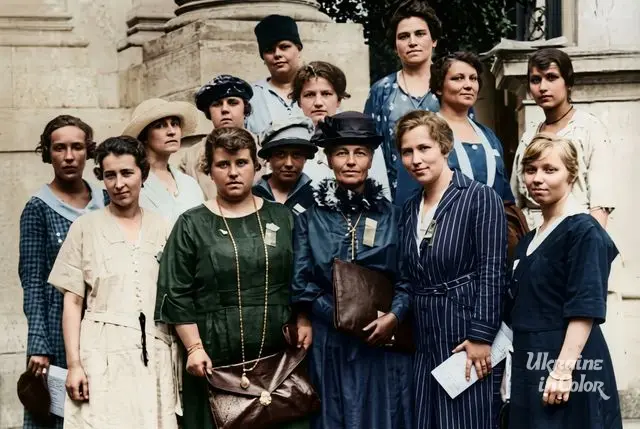
Delegates of the Ukrainian Women's Congress in Vienna1921. Delegates of the Ukrainian Women's Congress in Vienna. Kharytia Kononenko is far right in the front row; Valeriia O'Connor-Vilinska is in the centre.
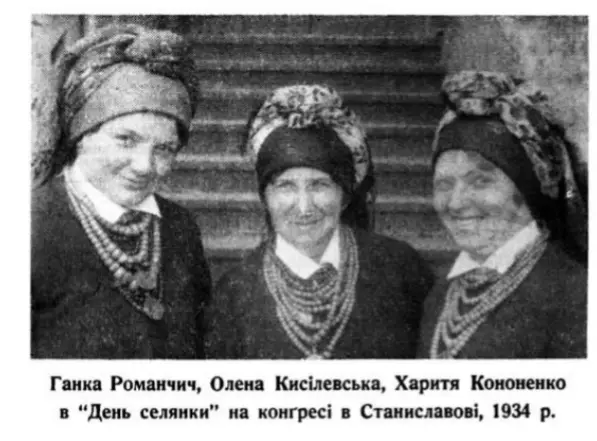
Hanka Romanchych, Olena Kysilevska and Kharytia Kononenko at the Peasant Woman's DayStanyslaviv, 1934. Hanka Romanchych, Olena Kysilevska and Kharytia Kononenko at the Peasant Woman's Day during the women's congress. From the magazine Nashe zhyttia.
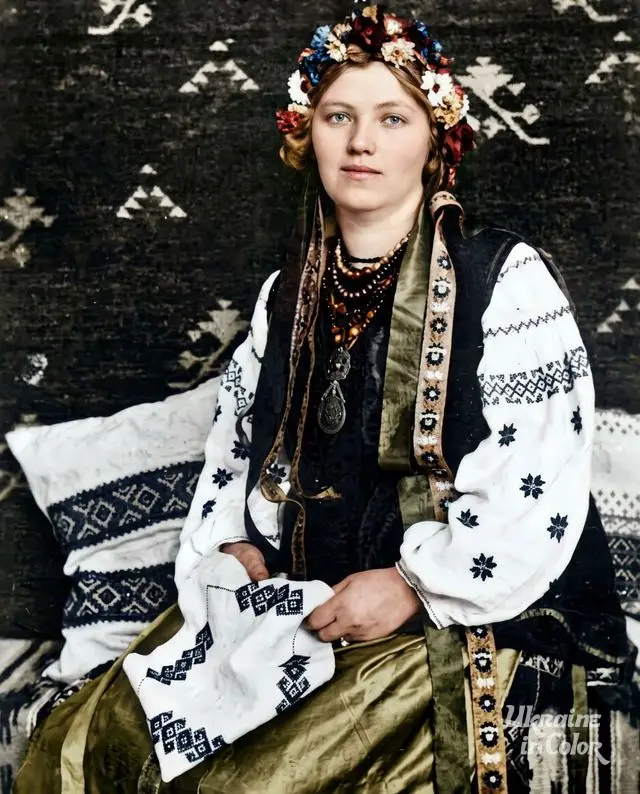
Kharytia Kononenko in national dressKharytia Kononenko in folk dress with a floral wreath and beads.
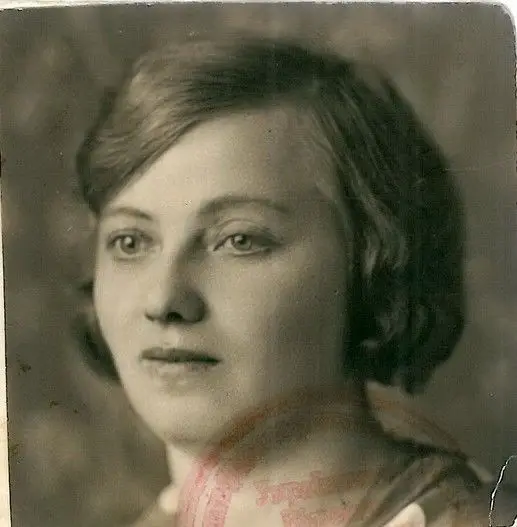
Kharytia Kononenko, portrait from a Prague certificatePhotograph from the certificate of enrolment at the Ukrainian University in Prague for 1932–1933. Central State Archive of Public Organisations of Ukraine.
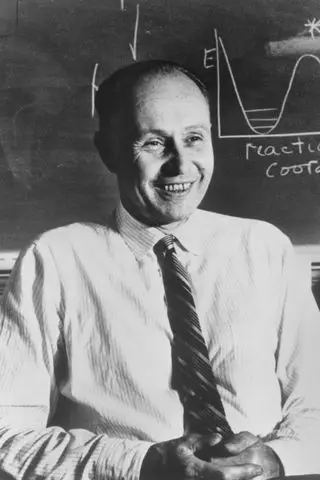
George Kistiakowsky, 1960sGeorge Kistiakowsky, 1960s.
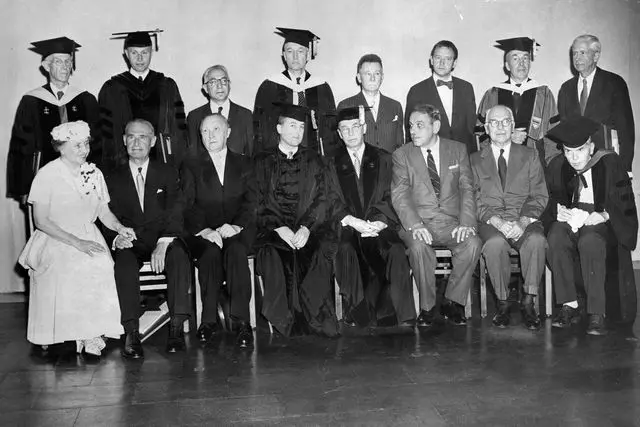
Kistiakowsky among Harvard honorary degree recipientsGeorge Kistiakowsky (standing, second from left) among honorary degree recipients at Harvard commencement, 16 June 1955.
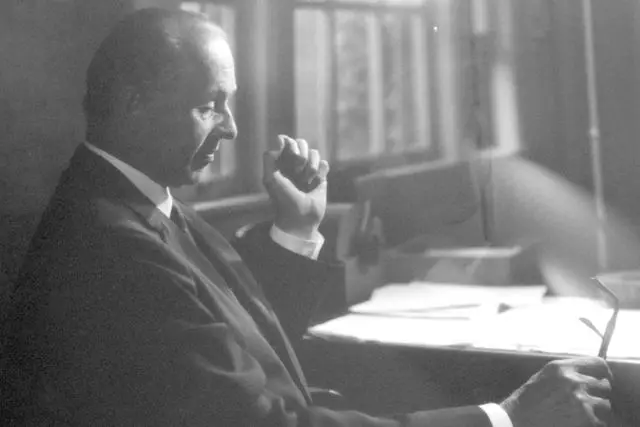
George Kistiakowsky at HarvardGeorge Kistiakowsky at Harvard, 1940s.
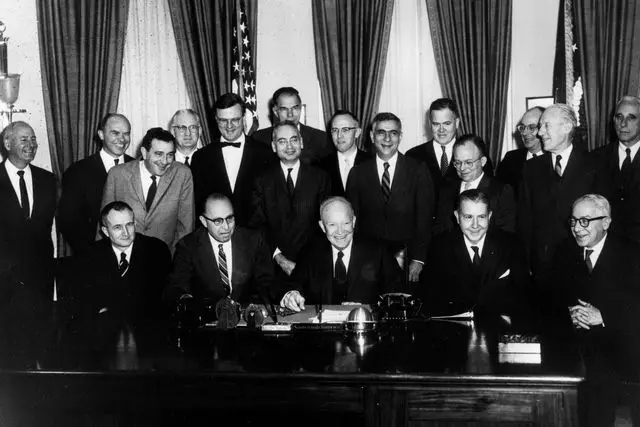
Kistiakowsky with President EisenhowerUS President Dwight Eisenhower (seated centre) with his Science Advisory Committee; George Kistiakowsky sits to the president's left. 19 December 1960.
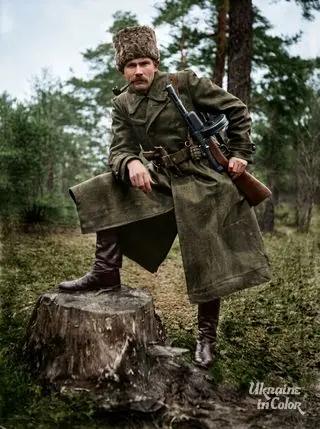
Taras Bulba-BorovetsThe otaman of the Polissian Sich in the forest, armed. Founder of the first UPA, whose memoirs speak warmly of Kharytyna Kononenko.
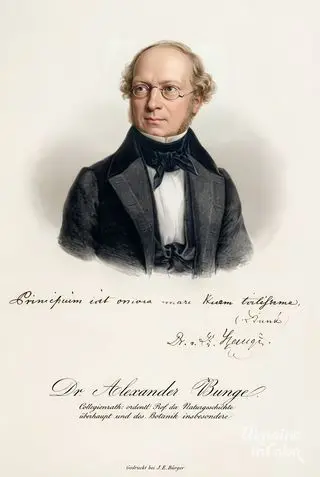
Alexander von BungePortrait, 1839. The Kyiv native who described the flora of the Altai and Mongolia.
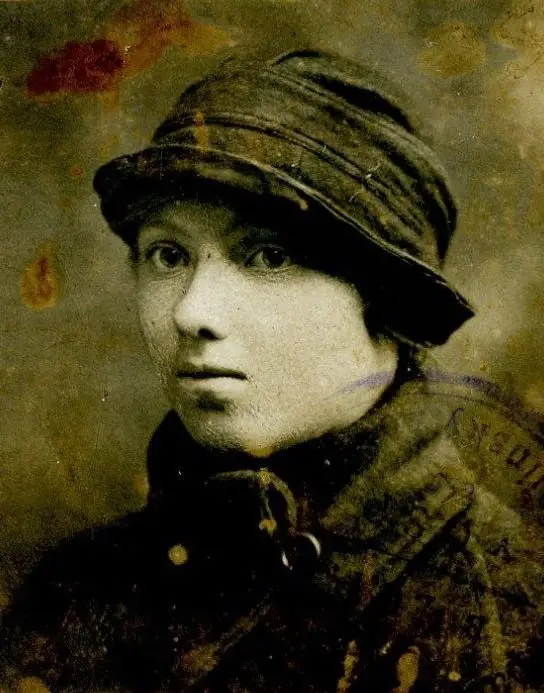
Kharytyna KononenkoPhotograph, before 1939. The Red Cross, journalism, the underground.
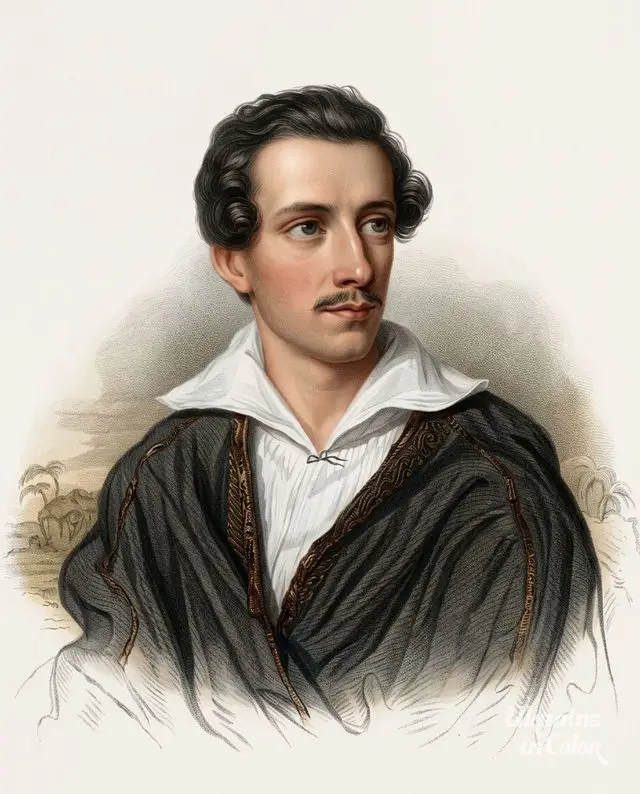
Portrait of Juliusz SłowackiEngraving by James Hopwood, after 1848. The poet from Kremenets, one of the Three Bards of Polish Romanticism.
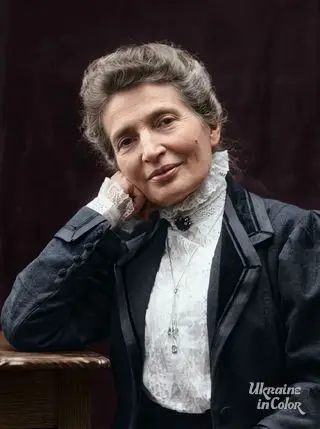
Anna KuliscioffPhotograph by Mario Nunes Vais, 1908. The physician from Simferopol who became a voice of the women's movement.
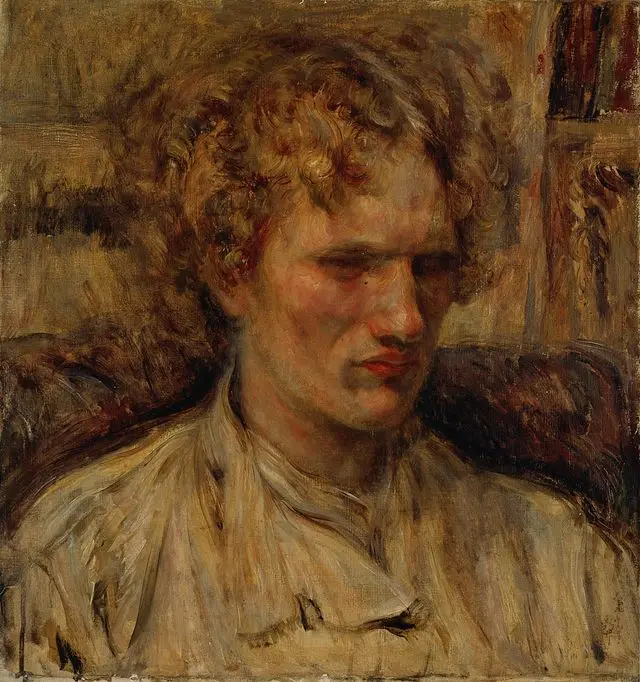
Portrait of Vasyl YeroshenkoTsune Nakamura, 1920. Oil on canvas. National Museum of Modern Art, Tokyo.
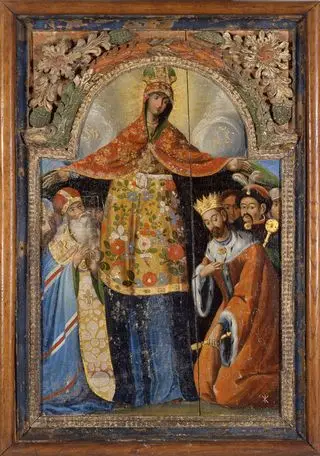
Pokrova with the portrait of Bohdan KhmelnytskyUnknown icon painter, late 17th — early 18th century. The Cossack Pokrova from the church in Deshky, Kyiv region: beneath the Virgin's veil stands Hetman Bohdan Khmelnytsky. National Art Museum of Ukraine.
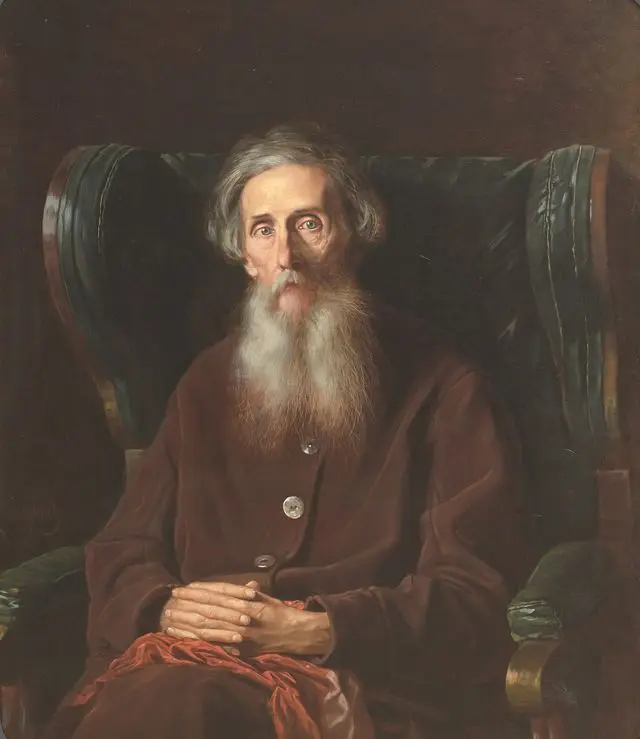
Portrait of Volodymyr DalVasily Perov, 1872. The Luhansk native who compiled a dictionary of another nation's language — and collected Ukrainian folk tales.
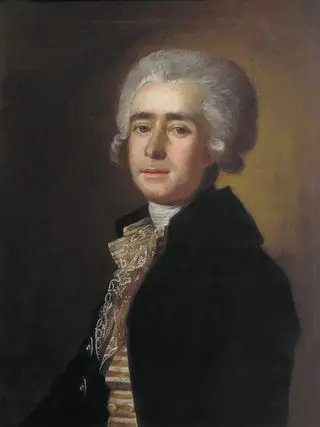
Portrait of Dmytro BortnianskyiMikhail Belsky, 1788. The composer from Hlukhiv whose sacred concertos are the summit of Eastern Christian choral music.
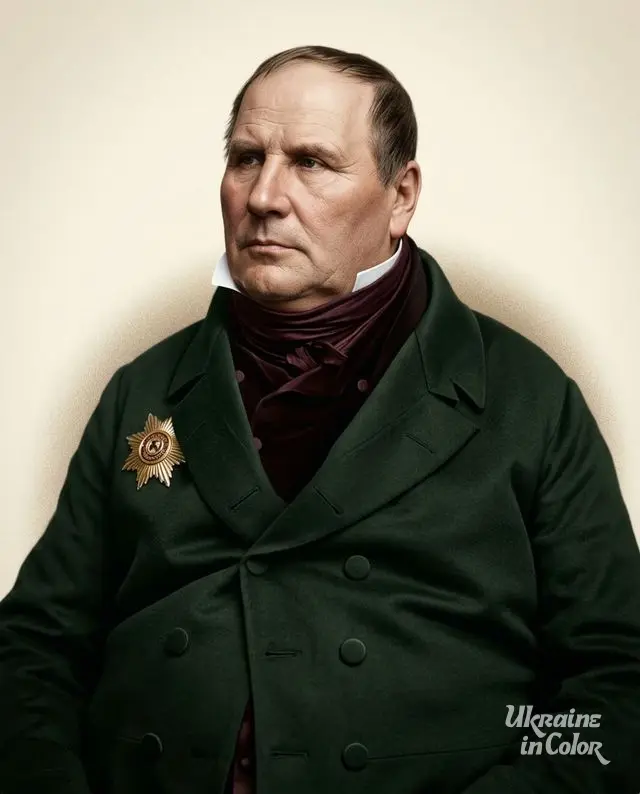
Portrait of Mykhailo OstrohradskyiLithograph by Petr Borel after a photograph by Andrei Denier, 1860s. The mathematician from the Poltava region, author of the Ostrogradsky–Gauss theorem.
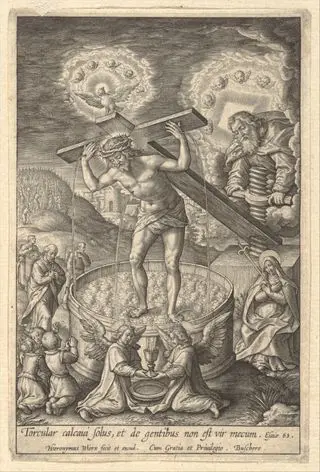
Christ in the Wine PressHieronymus Wierix, before 1619. Engraving. A Flemish model for the Christ-in-the-winepress subject that Ukrainian icon painters reworked in their own way. The Metropolitan Museum of Art.
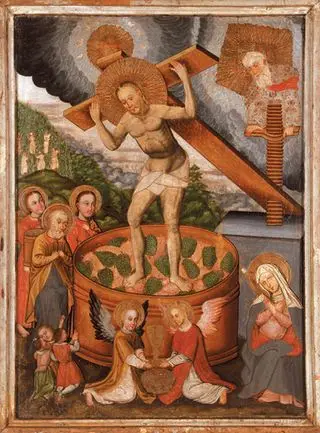
Christ in the WinepressUnknown icon painter, late 17th century. Christ stands in the winepress with the cross on his shoulders, God the Father turns the screw, angels gather the blood into a chalice. National Art Museum of Ukraine.
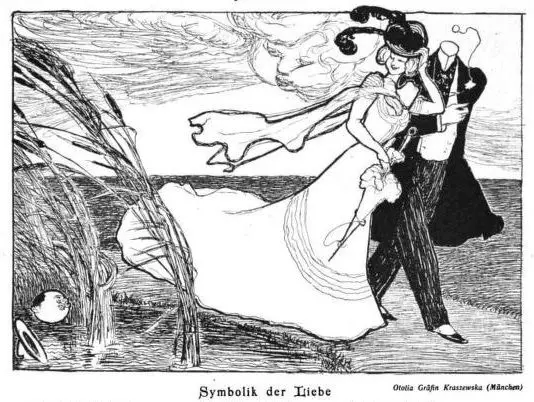
Illustration for Jugend, 1902 (I)Otolia Kraszewska. Illustration for the Munich magazine Jugend, 1902.
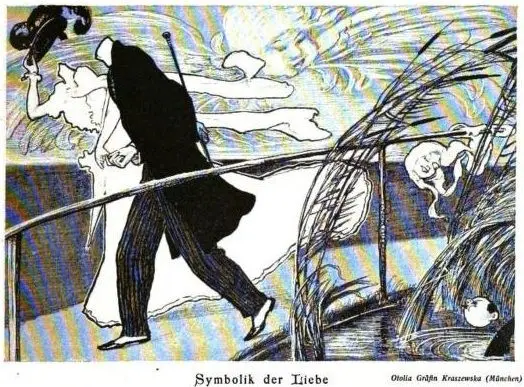
Illustration for Jugend, 1902 (II)Otolia Kraszewska. Illustration for the Munich magazine Jugend, 1902.
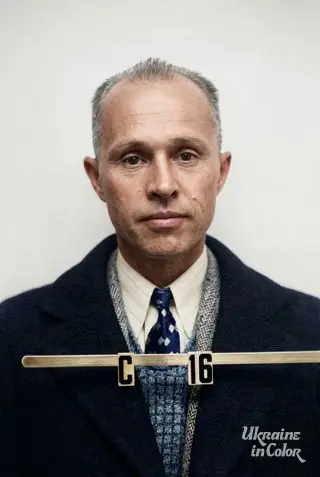
George Kistiakowsky, Los Alamos badge photoLos Alamos Laboratory identity badge photo, 1940s. The Kyiv-born George Kistiakowsky headed the explosives division here, which developed the explosive lenses for the implosion atomic bomb.
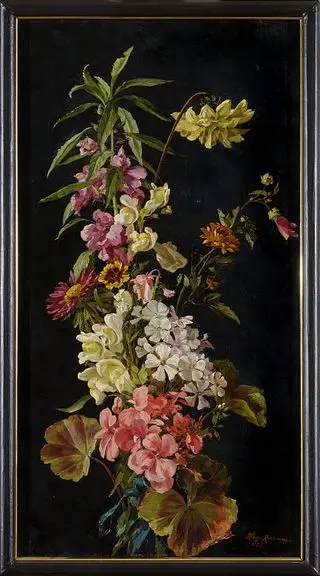
FlowersMaria Klass-Kazanowska, 1895. Oil on canvas, 70 × 38 cm. National Museum in Warsaw, inv. MP 1045 MNW.
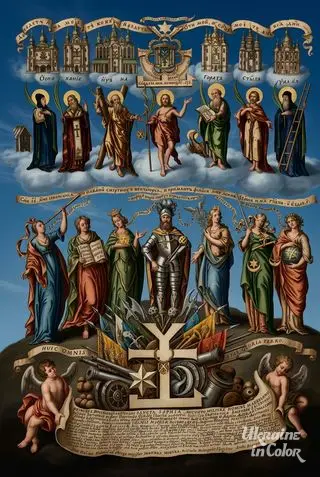
Ivan Mazepa Among His Good DeedsA panegyric thesis engraving dedicated to Hetman Ivan Mazepa by Ivan Myhura, archdeacon of the St Sophia monastery in Kyiv. The sheet is built in three registers. Above, on clouds, stand the Kyiv churches built and restored at the hetman's expense, with a seven-columned rotunda between them as an image of Wisdom and the seven liberal arts; below them a row of saints. In the middle register Mazepa appears in knightly armour holding the hetman's mace, surrounded by female personifications of the virtues and the sciences; one of them holds an open book bearing his name. At the foot two putti lean on military trophies — a cannon, drums, arms and banners — flanking the Kurcz coat of arms and the mottoes HUIC OMNIS and STAT GLORIA FERRO. The Latin dedication in the cartouche opens "PRINCEPS ECCLESIARVM TRIVMPHANS SANCTA SOPHIA…", styles Mazepa a knight of the Orders of St Andrew and the White Eagle, and is dated "Kijov 8br 12" — Kyiv, 12 October. Myhura signed himself "IOANNES MIGVRA, Orientalis Metropolis Kijoviensis Archi-Diaconus". The sheet is usually dated 1706, though some scholars tie it to Mazepa's visit to Kyiv on 12 October 1705. After the anathema of 1708 images of the hetman were destroyed on Peter I's orders — this engraving is one of the few made in his lifetime to survive.
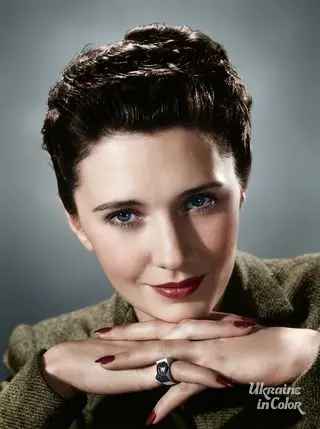
Portrait of a woman wearing a ringA black-and-white studio portrait: a young woman with short dark hair rests her chin on her folded hands, wearing a light tweed jacket. On her finger is a massive ring with a dark stone — the real subject of the photograph. A crease survives across the upper left of the print.
The sitter is not identified: the publication the image comes from carries no caption. By context she is a client or a model of the house of Marchak.
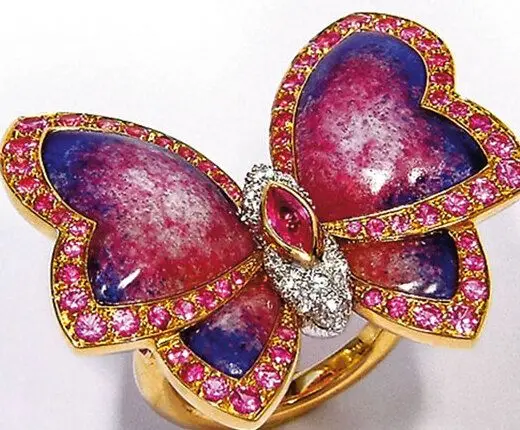
Butterfly ring with heart-shaped wingsA ring crowned by a butterfly with four heart-shaped wings. Each wing is a plaque of stone shading deeply from blue-violet to crimson, outlined with pink sapphires. The body is pavé-set with diamonds and the head is a red stone in a gold mount. Maison Marchak, Paris.
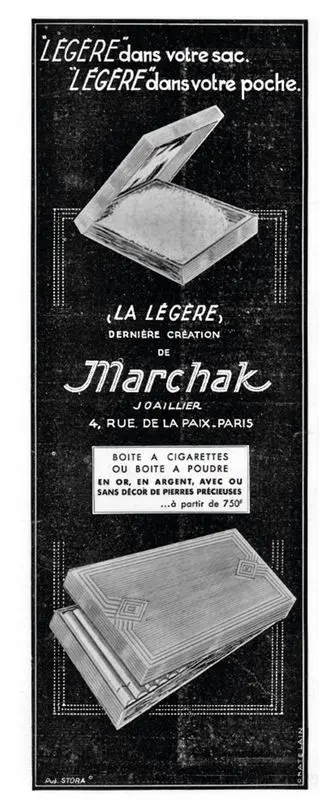
Advertisement for the "La Légère" cigarette caseA vertical advertisement, white on black. At the top runs the slogan "LÉGÈRE dans votre sac, LÉGÈRE dans votre poche" ("light in your bag, light in your pocket") above an image of an open flat case. Below stand "'LA LEGERE', dernière création de Marchak, joaillier, 4, Rue de la Paix, Paris" and a line offering "a cigarette box or powder compact in gold or silver, with or without precious stones — from 750 francs". Two closed cases with Art Deco engine-turning appear at the foot.
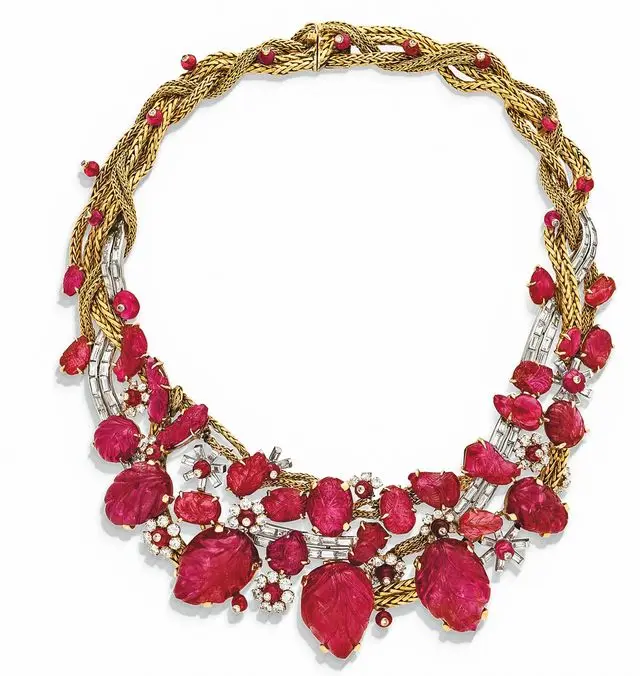
Bib necklace with carved rubiesA massive bib necklace. The foundation is several twisted ropes of yellow gold, with white diamond-set links breaking through between them. Large carved rubies in the form of leaves and fruit are clustered across these, together with round ruby beads; the biggest stones gather at the bottom where the necklace is widest. Maison Marchak, Paris, about 1955.
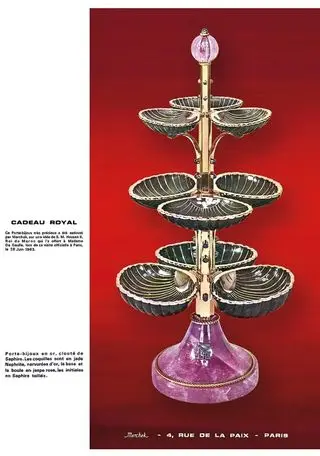
"Cadeau Royal" — a jewel stand for the King of MoroccoA three-tier jewel stand on a central gold shaft, photographed against red. Each tier is made up of several shell-shaped bowls of dark stone in gold mounts; the base and the finial are of pale lilac stone banded with gold hoops.
The caption on the card explains that this was the gift presented by King Hassan II of Morocco during his official visit to Paris on 28 June 1963. The signature at the foot reads "Marchak — 4, Rue de la Paix — Paris".
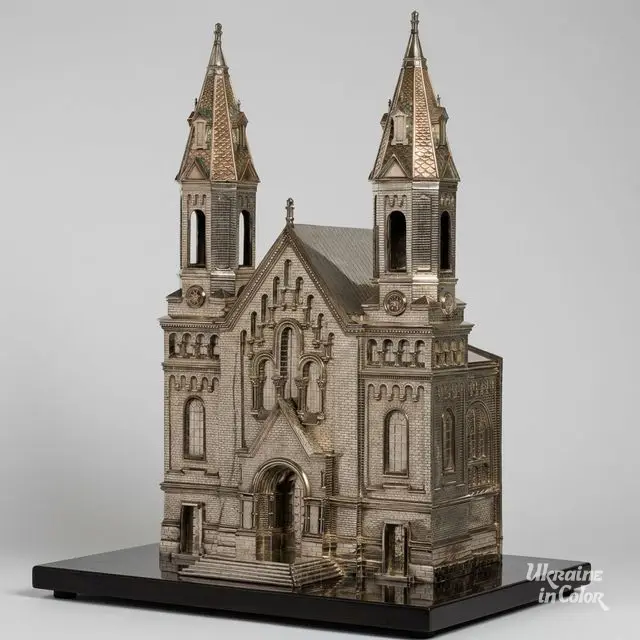
Model of a twin-towered churchAn architectural model of a neo-Gothic church on a dark plinth: two tall spired towers, a pointed portal, a rose window above the entrance and buttresses along the sides. Individual windows, cornices and the coursing of the walls are all reproduced.
Another example of the speciality that set the factory apart — exact architectural models of real buildings made as presentation pieces.
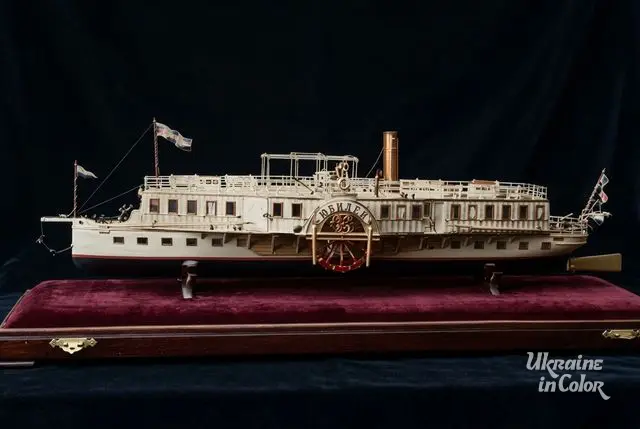
Mechanical model of a steamshipA detailed model of a paddle steamer on a rectangular base: a two-tier superstructure with rows of windows, a funnel, a paddle wheel with its housing, gangways, railings, boats and flags at the masts.
Among the factory's presentation pieces the public was especially struck by the mechanical model of the steamer Derzhava, ranked alongside the silver model of the Pedagogical Museum. This photograph is the only known image of such a work.
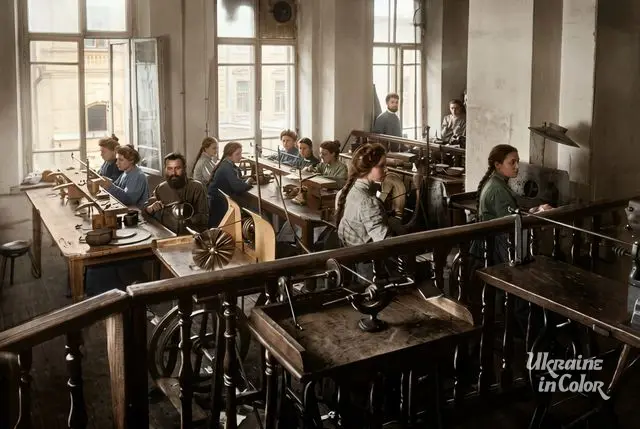
Benches at the windows: the fine-work shopA workshop with the benches pushed right up to the windows — the way daylight was captured for close work. The craftsmen sit in two rows with their backs to the aisle, bent over their bench pins; in the foreground stands an empty place with a lamp and the wooden skirting that caught the gold dust.
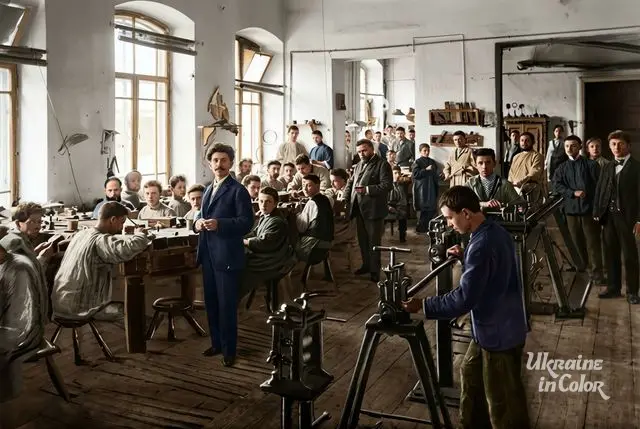
The factory's large production hallA long, well-lit hall with tall windows along both walls. Some twenty masters and journeymen work at long benches — some seated, others standing at belt-driven machines in the foreground. Tools and blanks fill the shelves along the walls. The largest known image of the factory's production floor.
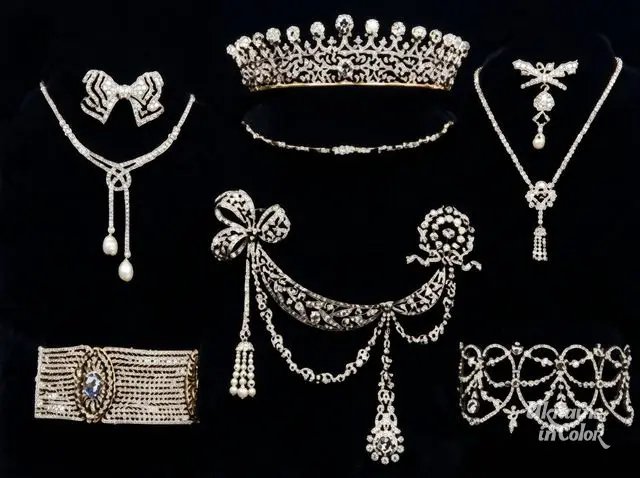
Plate of diamond jewels from the firm's illustrated price listA page from the illustrated price list: eight diamond pieces laid out against black. At the centre of the top row is a tiara with alternating tall and low points, and beneath it a slender bandeau. To the left are a bow brooch with two loops and a necklace with a drop pendant; to the right an insect brooch and a necklace with a long tassel. In the middle sits a large devant-de-corsage with a bow at the top, swags and three pendants, and along the bottom row two bracelets: a wide mesh band with an oval medallion and an openwork one of garlands and drops.
This is one of the few surviving images of the Kyiv factory's jewellery proper: the pieces themselves went to the melting pot after 1917, and today they are judged largely from printed sheets like this one.
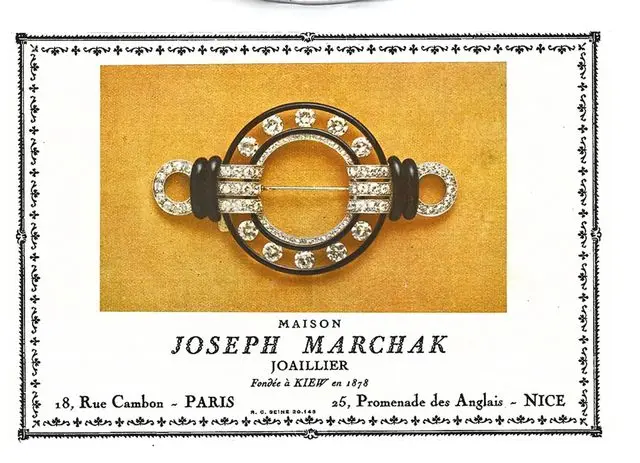
Advertising card "Maison Joseph Marchak"A card in an ornamental border. At the top, against an ochre ground, is a clasp or buckle with a central ring and black appliqués, entirely paved with diamonds. Below stand "MAISON JOSEPH MARCHAK, JOAILLIER, founded in Kyiv in 1878" and two addresses: "18, Rue Cambon — PARIS" and "25, Promenade des Anglais — NICE". The house went on printing that line about its Kyiv founding on French cards for decades after the factory was lost.