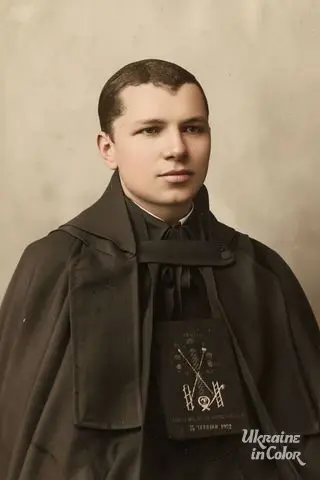
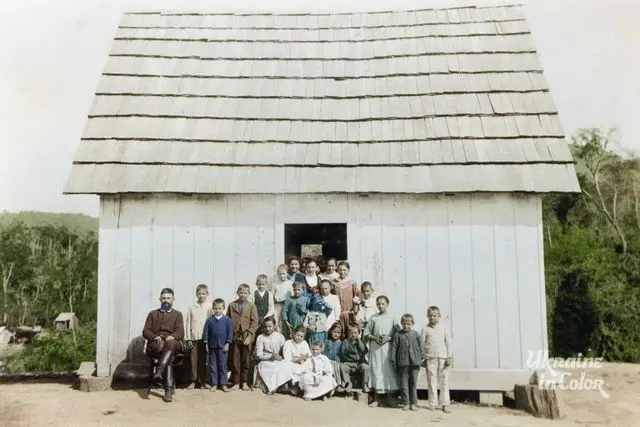
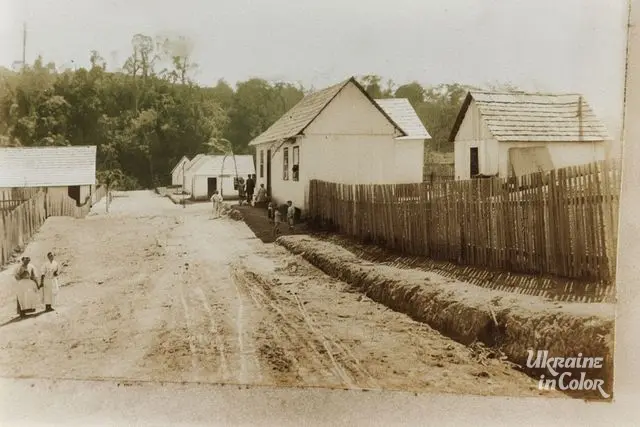
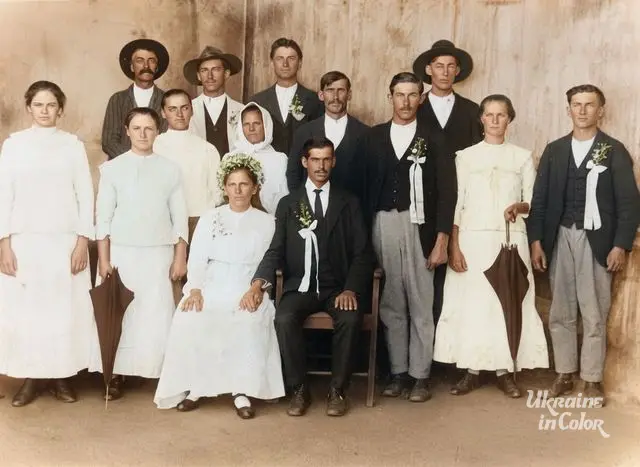
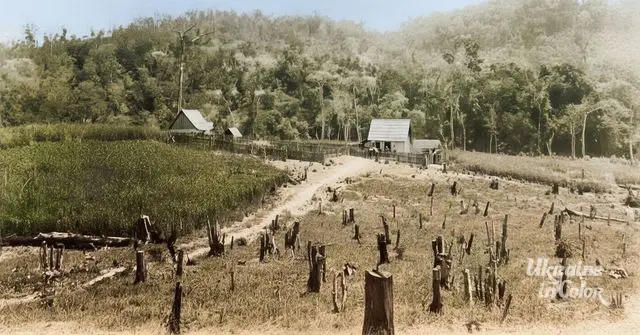
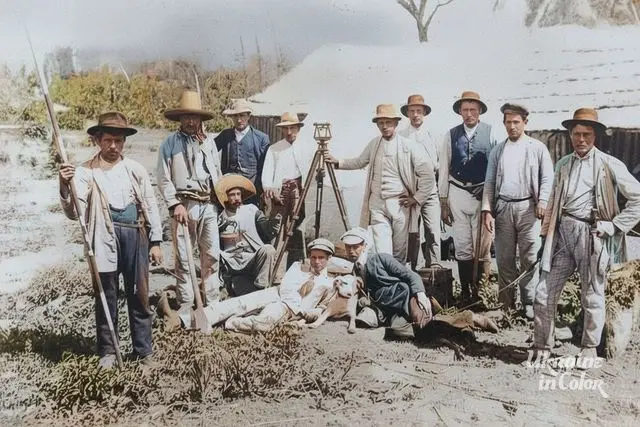
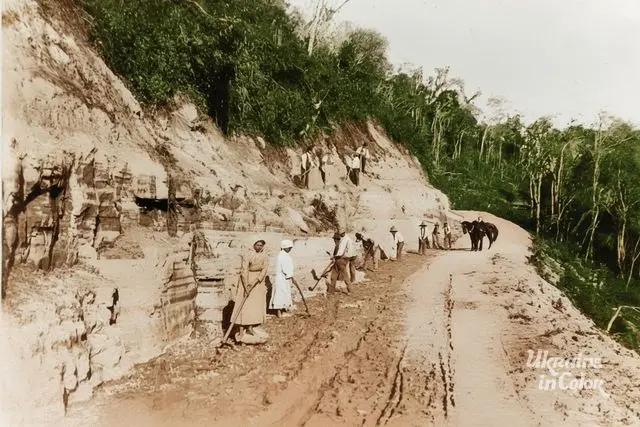
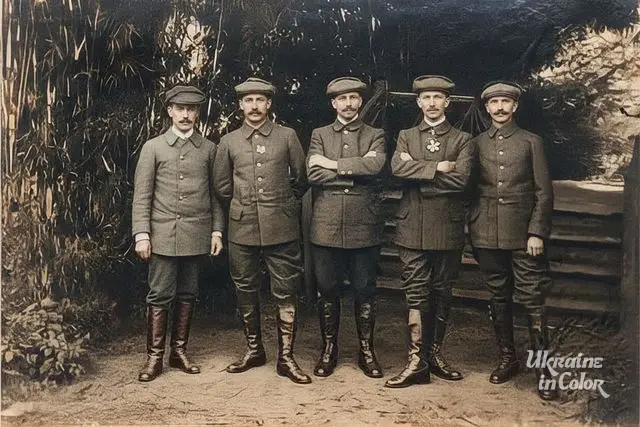
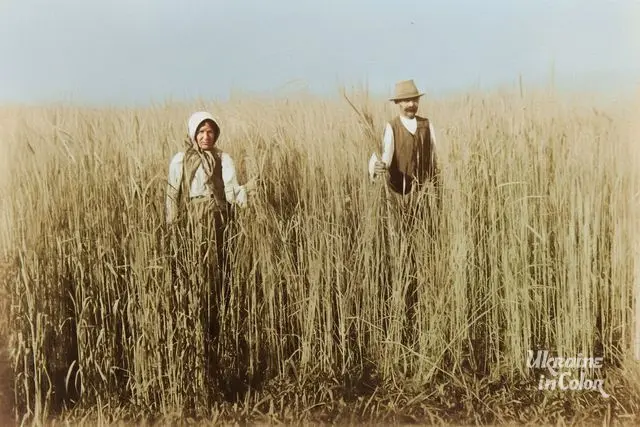
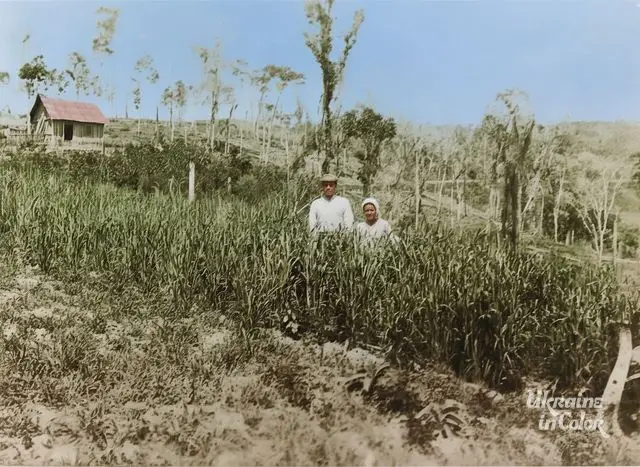
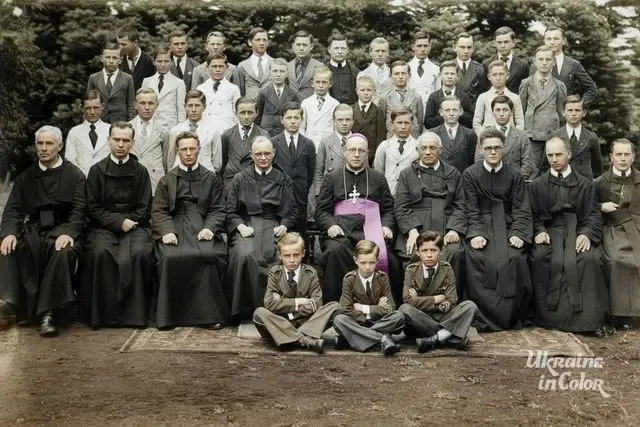
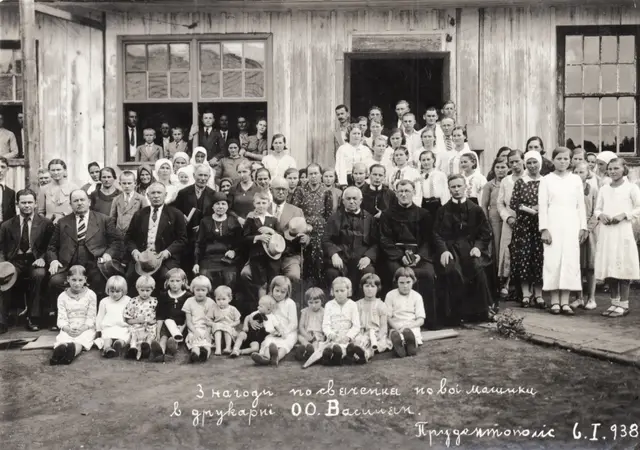
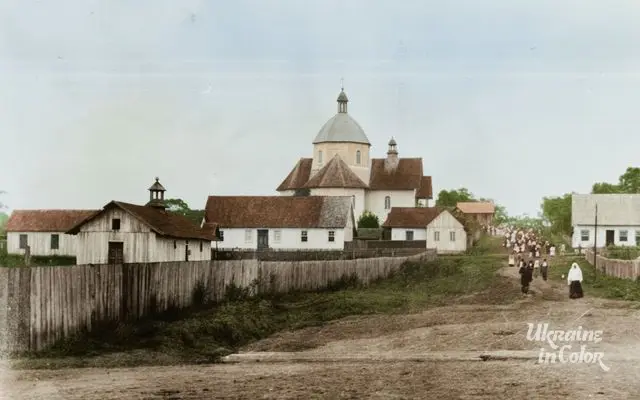
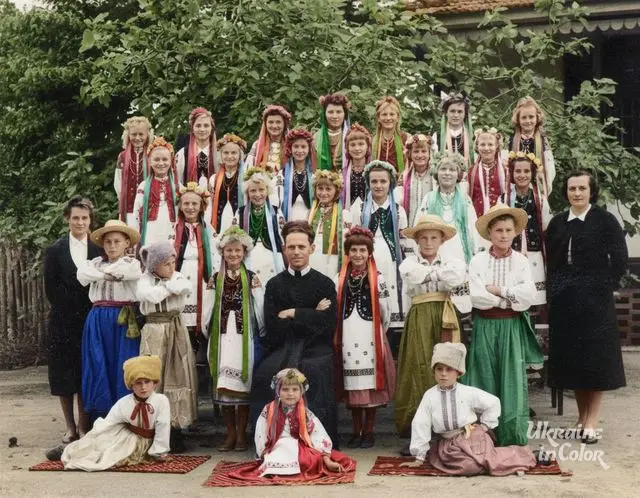
Place: PrudentopolisOriginal: All rights reservedRestoration: All rights reserved
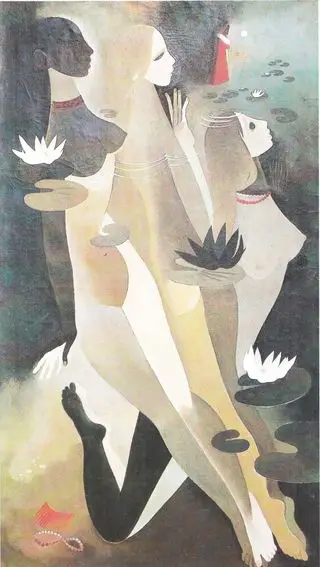
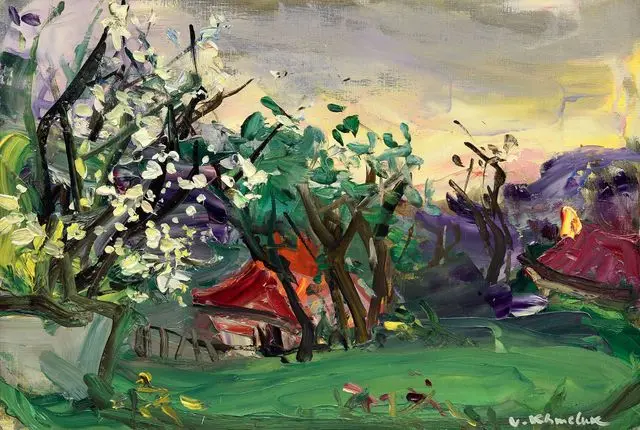
Water-NymphsHalyna Mazepa's first year in Venezuela. She painted these Ukrainian water-nymphs in Caracas, ten thousand kilometres from the river they came out of.
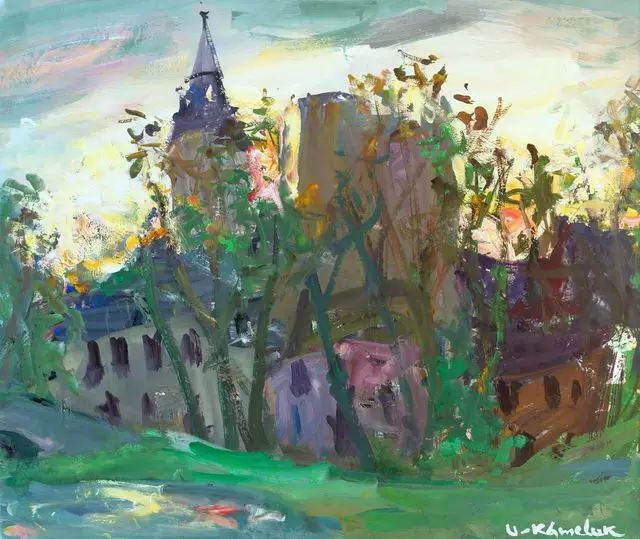
The FortressLate Khmeliuk — the bright contrasting colour he used for flowers and for stone alike.
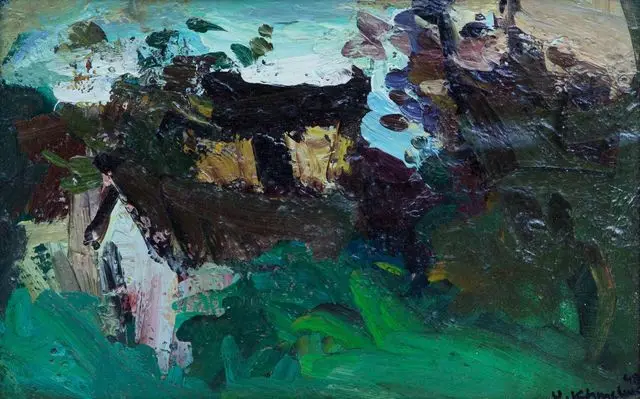
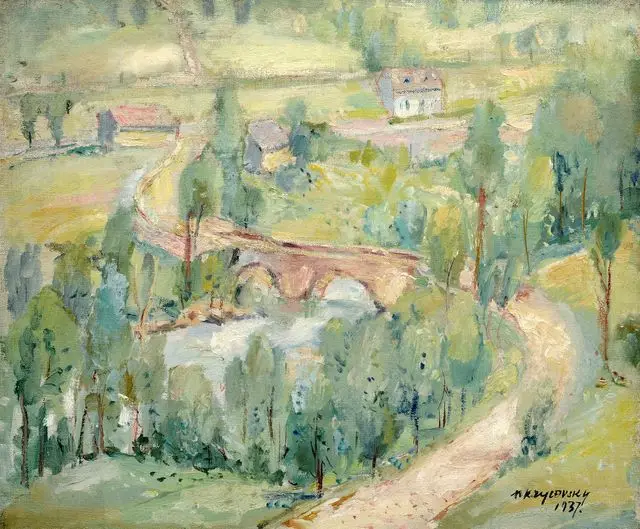
Landscape at TaversThe original title is Paysage à Tavers. Tavers is a small town on the Loire.
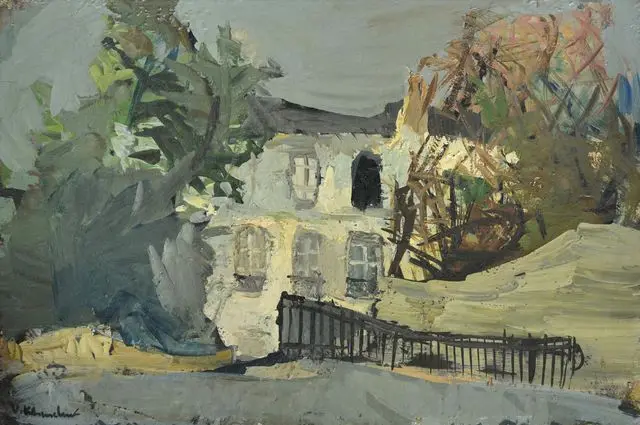
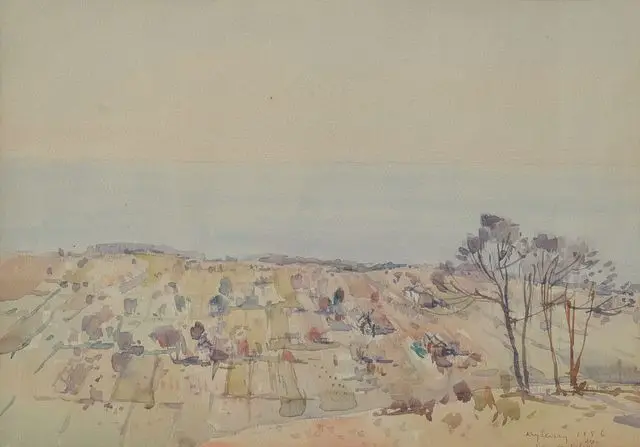
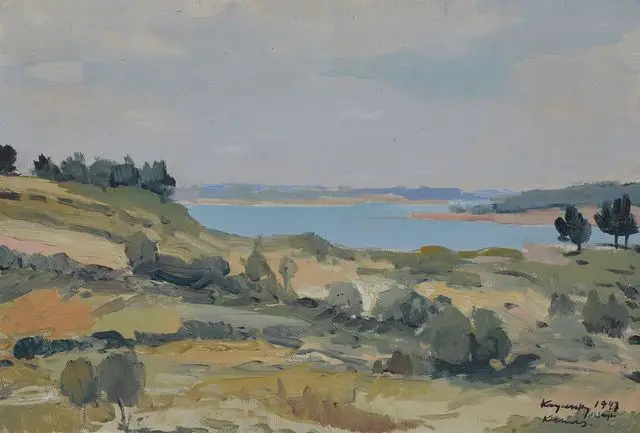
LandscapePost-war Paris. By then Khmeliuk had been living in France for twenty years.
ChateauThe French provinces seen by a man who arrived here from the Ukrainian war of independence of 1917–1920.
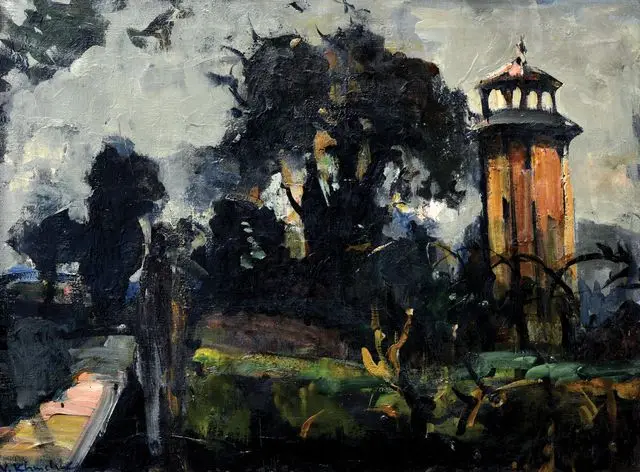
Landscape with a TowerKhmeliuk's first Parisian decade. In 1932 he held a solo exhibition at the «Young Europe» gallery.
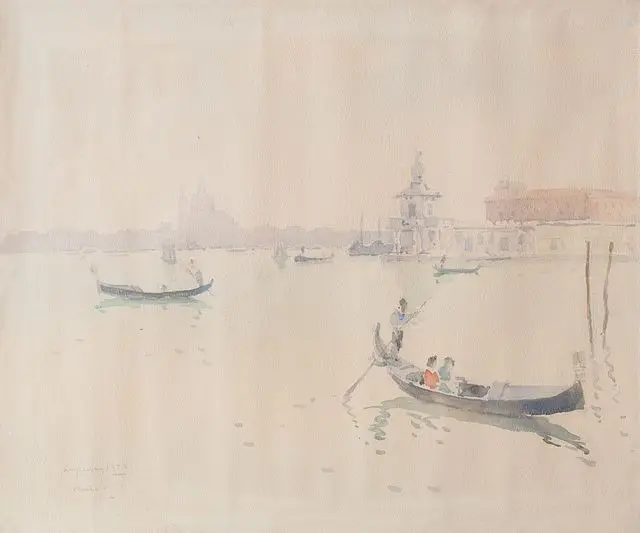
VeniceThree years before his death. Krychevsky died in Paris in 1961, having never returned to Ukraine.
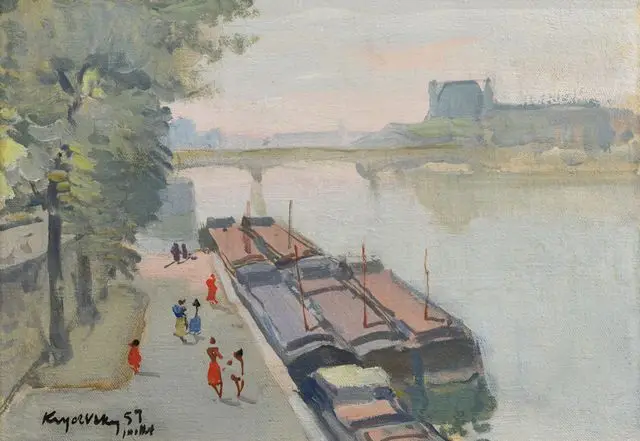
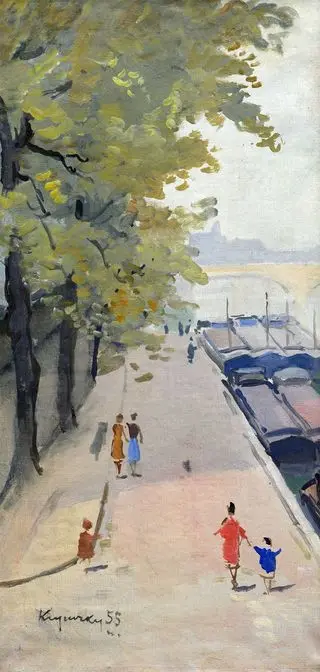
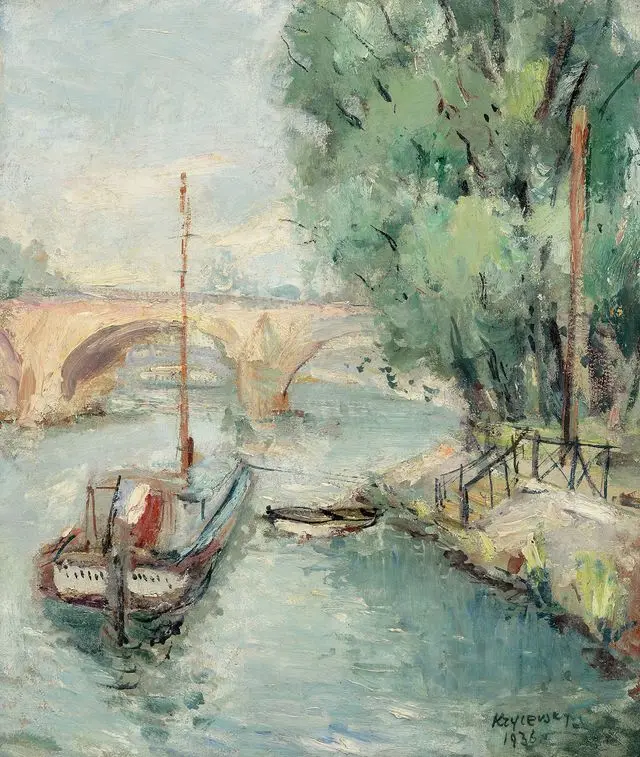
The Seine Embankment. ParisAfter America he came back to the same water he had painted twenty-one years earlier.
Canada, OntarioThe same transatlantic journey. Canada was then home to one of the largest Ukrainian communities in the world.
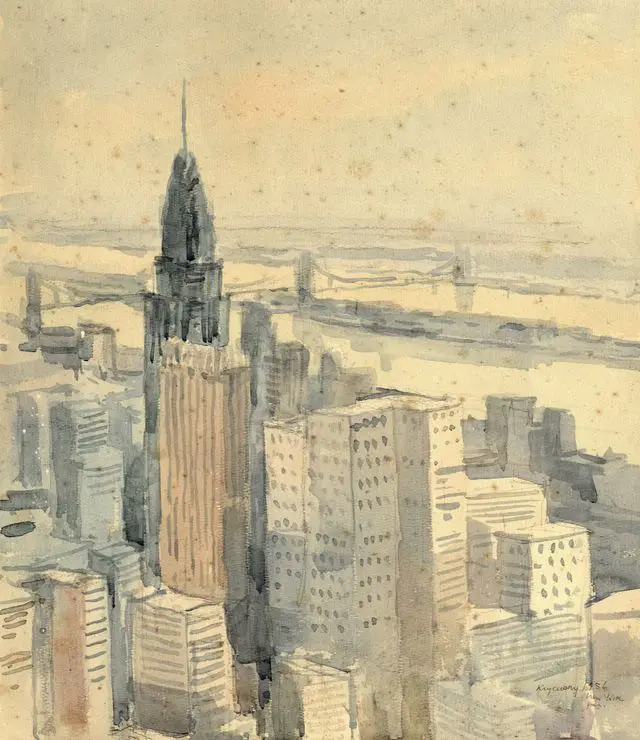
New YorkAt fifty-eight Krychevsky crossed the ocean for the first time. In the same year he also painted Canada.
The EmbankmentWater and a quayside — the subject Krychevsky returned to all his life, from Paris to Venice.
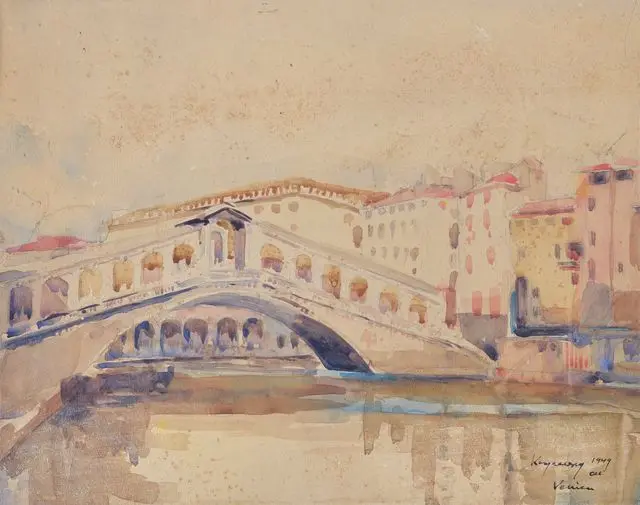
Venice. The Rialto BridgeVenice was Krychevsky's second city after Paris. He returned to it again in 1956, and in 1958.
Brittany. FranceThe first years after the war — the point at which the Ukrainian emigration understood for good that there would be no going back.
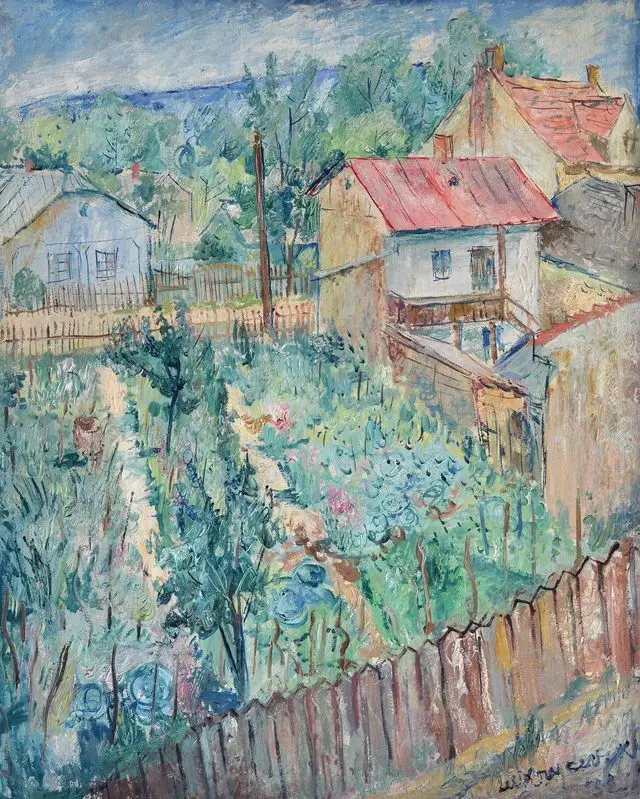
The Outskirts of ParisNot the tourists' Paris but its edges — what a person who lives there sees, rather than one who is visiting.
The Seine Embankment. ParisThe Seine would be Krychevsky's principal subject for twenty-five years; he painted it in any weather.
A Courtyard in ProvenceKrychevsky's third year in Paris. The south of France would become one of the standing routes of his life.
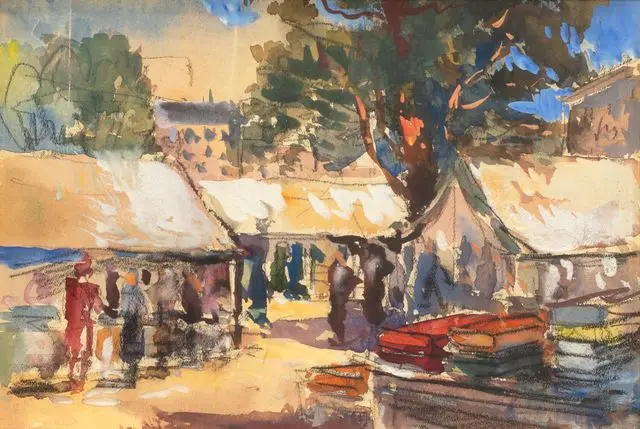
Bazaar in UzhhorodThe last Ukrainian town in Mykola Krychevsky's life. In July 1923 he left for Prague; from 1929 he lived in Paris and never returned.
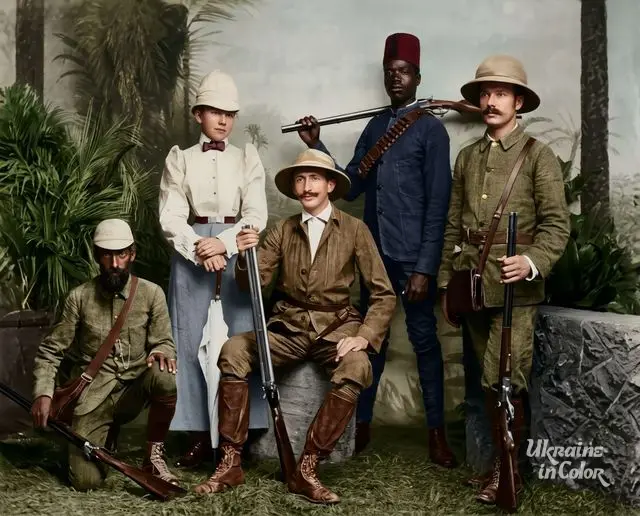
Count Potocki with hunters, Ceylon, 1896A group portrait in pith helmets with rifles against a palm backdrop. From his journeys Potocki brought back not only trophies but notes, photographs and drawings, now digitised in the Polish Polona library.
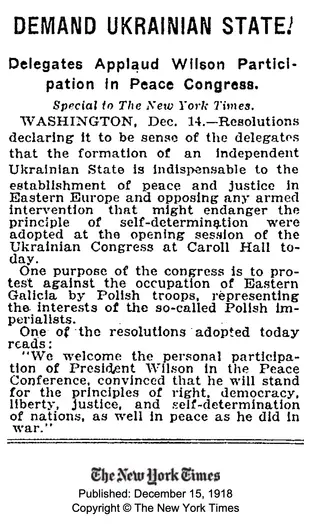
DEMAND UKRAINIAN STATE!Delegates Applaud Wilson Participation in Peace Congress.
WASHINGTON, Dec. 14.
Delegates at a congress held here adopted resolutions demanding the establishment of an independent Ukrainian State as an essential condition for the realization of peace and justice in Eastern Europe.
They declared themselves opposed to any armed intervention that would endanger the principle of self‑determination of nations.
One of the resolutions protests against the occupation of Eastern Galicia by Polish troops, which, the delegates assert, represents the interests of Polish imperialists.
Another resolution expresses support for President Wilson’s participation in the Peace Conference and voices confidence that he will defend the principles of right, democracy, liberty, justice, and the self‑determination of nations which he upheld during the war.
From The New York Times, Dec. 15, 1918.
Copyright The New York Times.
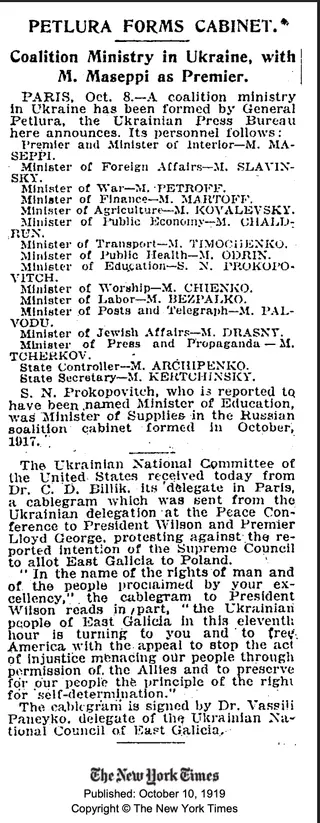
PETLURA FORMS CABINET. COALITION MINISTRY IN UKRAINE WITH M. MASEPPI PREMIERThe Ukrainian National Committee of the United States has received a communication from Dr. C. D. Billiik, Ukrainian delegate in Paris, protesting against the reported intention of the Supreme Council to allot East Galicia to Poland. The communication declares that the Ukrainian people of East Galicia have the same right to determine their own fate as the Poles, and appeals to America to support these rights.
Signed: Dr. Vassil Paneyko, delegate of the Ukrainian National Council of East Galicia.
Published: October 10, 1919
The New York Times
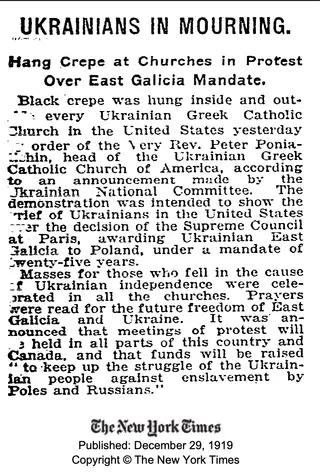
UKRAINIANS IN MOURNINGBlack crepe was hung inside and outside every Ukrainian Greek Catholic Church in the United States yesterday as a sign of mourning for the decision of the Supreme Council at Paris, which has awarded Ukrainian East Galicia to Poland under a mandate of twenty-five years.
The order for the mourning was issued by the Very Rev. Peter Poniatishin, head of the Ukrainian Greek Catholic Church of America. Masses were celebrated for those who fell in the cause of Ukrainian independence, and prayers were offered for the future freedom of East Galicia and the rest of Ukraine.
Meetings of protest will be held throughout the country, and funds will be raised to aid the struggle of the Ukrainian people against enslavement by Poles and russians.
Published: December 29, 1919
The New York Times.
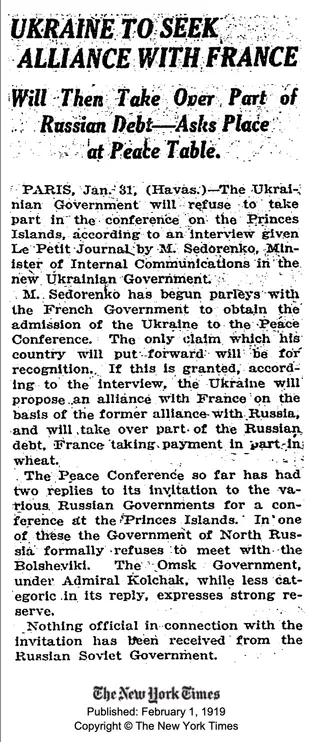
UKRAINE TO SEEK ALLIANCE WITH FRANCE. WILL THEN TAKE OVER PART OF RUSSIAN DEBT—ASKS PLACE AT PEACE TABLEPARIS, Jan. 31 (Havas).—The Ukrainian Government has decided to refuse to take part in the proposed conference on the Princes Islands, according to an interview given by M. Sedenko, Minister of Internal Communications in the new Ukrainian Government.
M. Sedenko has opened negotiations with the French Government with a view to securing admission of Ukraine to the Peace Conference. Ukraine’s chief claim, he says, is for recognition. If this is granted, Ukraine will propose an alliance with France based on the former alliance between France and russia, and will assume a portion of the Russian debt, France to accept payment in wheat.
The Peace Conference has received two replies to its invitation to the Princes Islands conference. One is from the Government of North Russia, which formally refuses to meet the Bolsheviks. The other is from the Omsk Government, headed by Admiral Kolchak, which expresses its willingness to confer, but under reservations which make participation in the propos