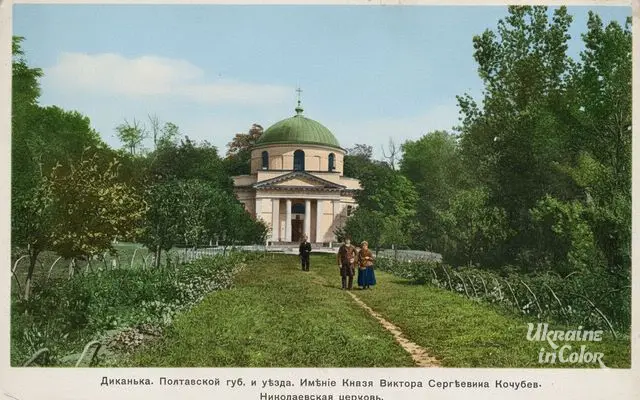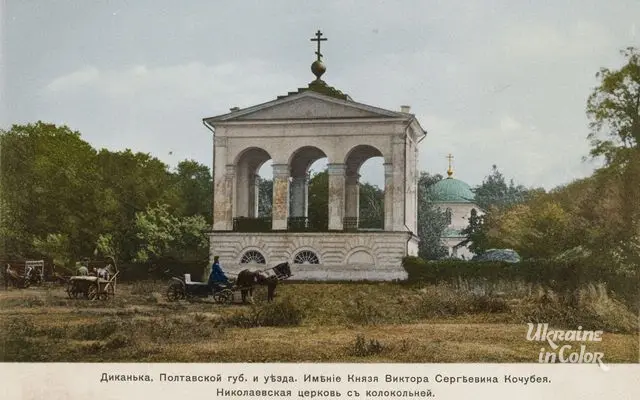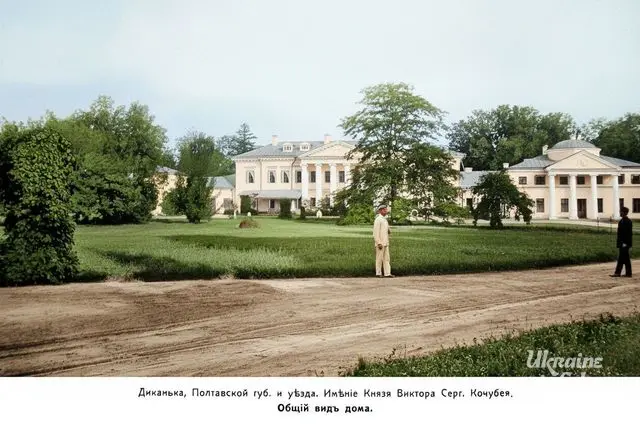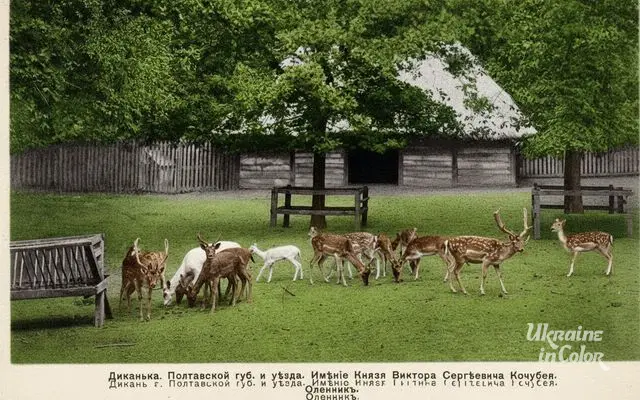
Cultural center of the continent in 19 century was Kyiv
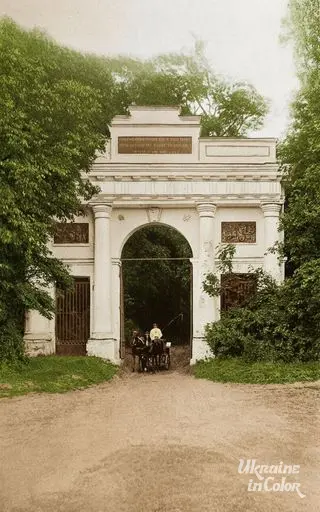
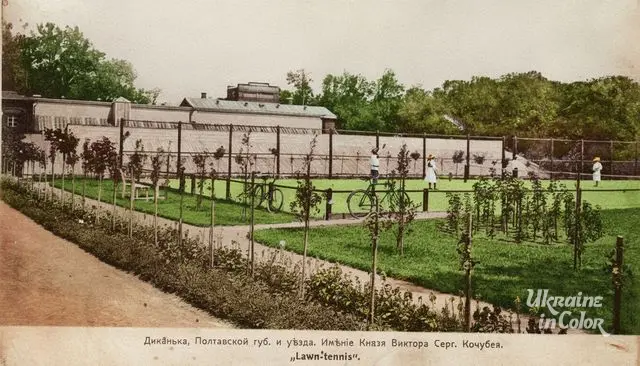
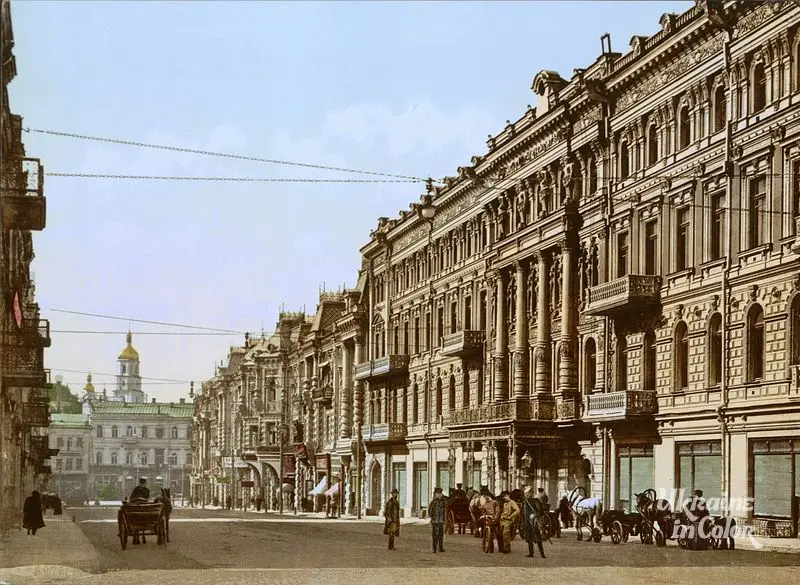
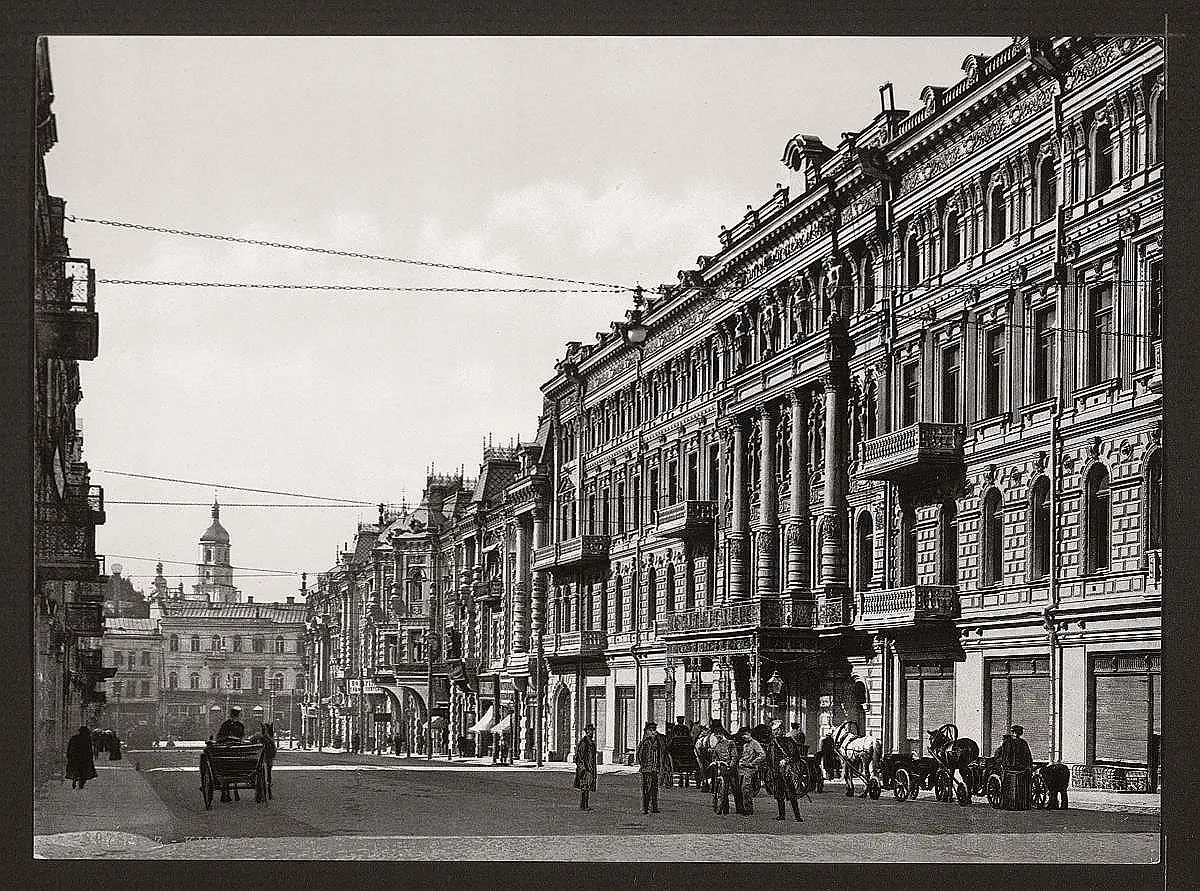
At the end of the 19th century, Kyiv could be considered the cultural center of the continent, where Eastern and Western civilizations met.
Original: All rights reservedRestoration: All rights reserved
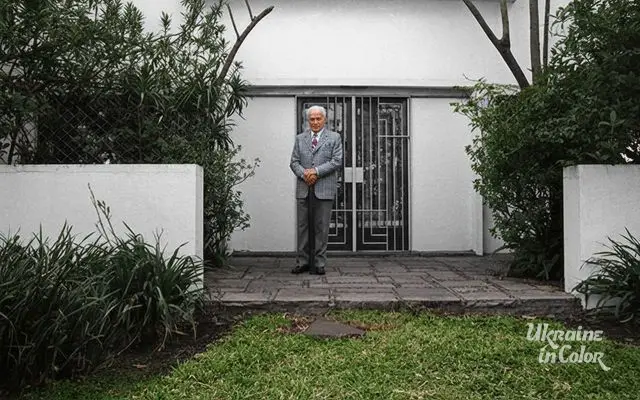
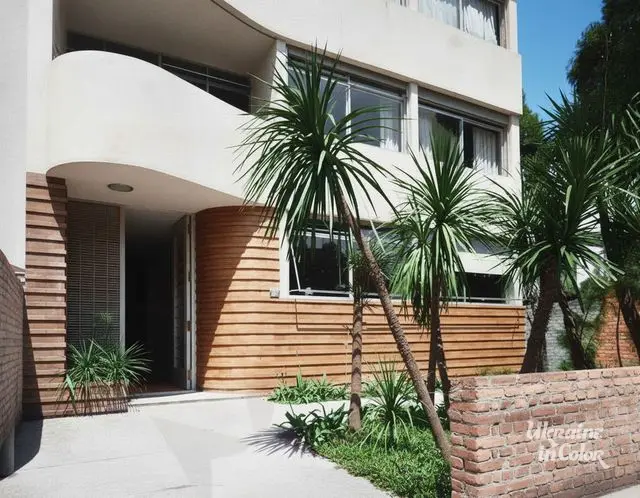
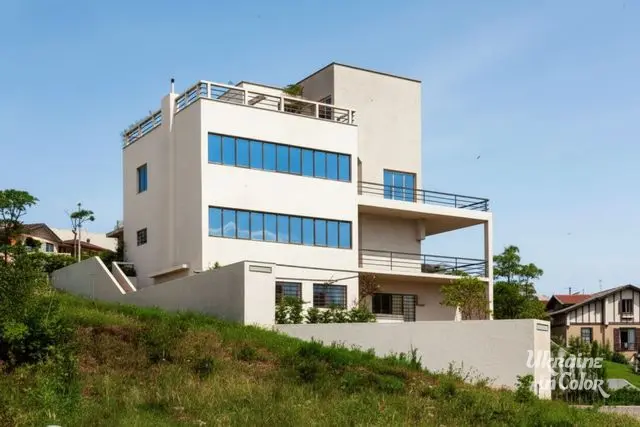
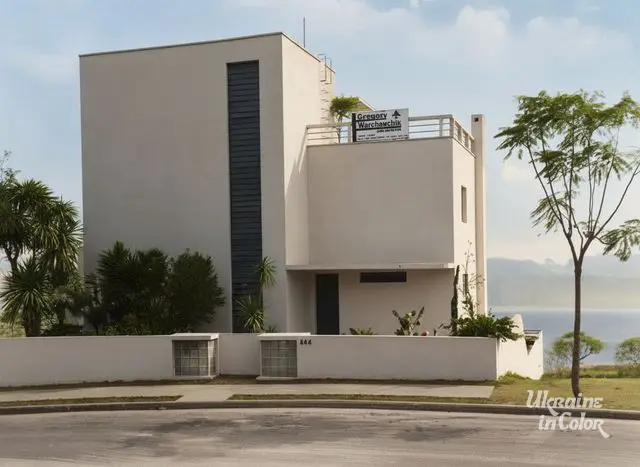
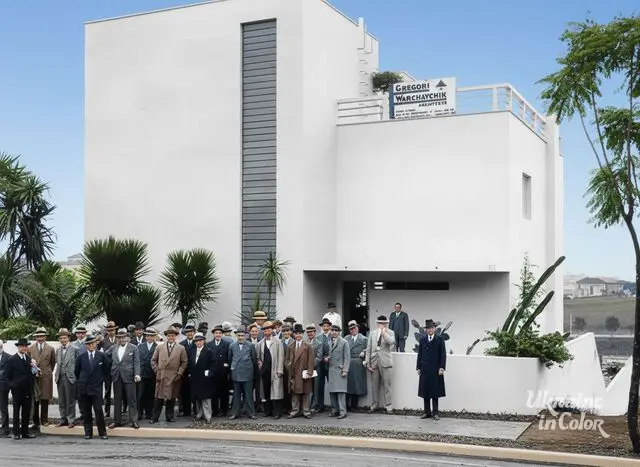
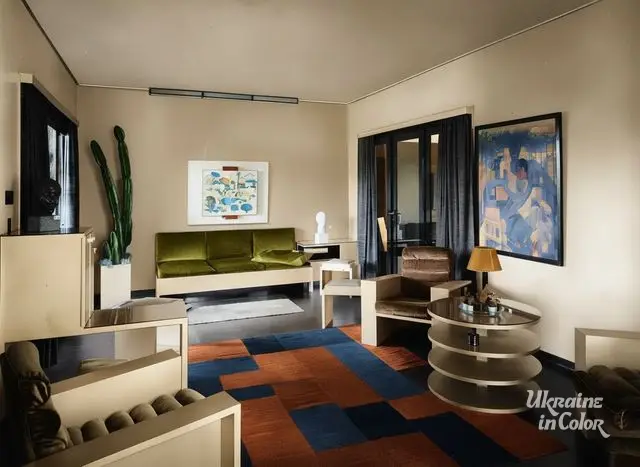
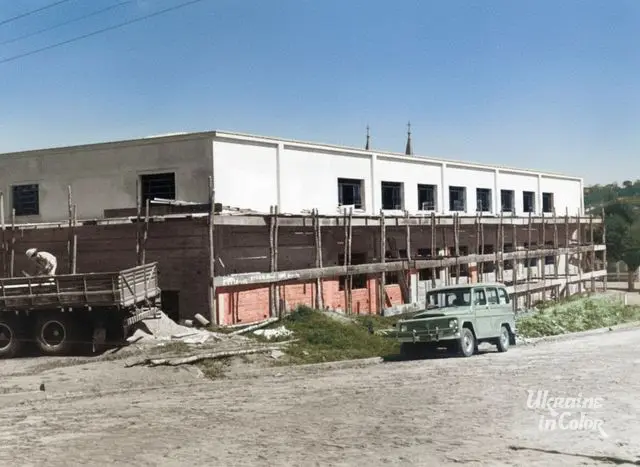
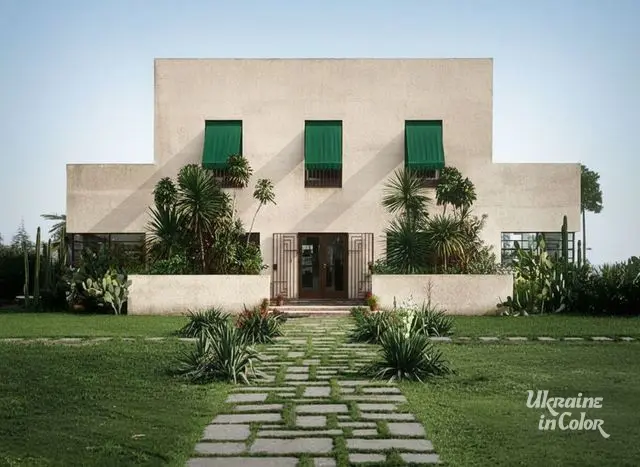
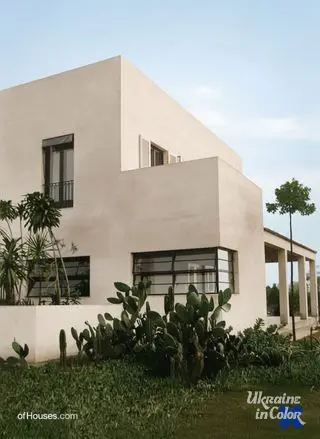
Gregori Warchavchik and his project
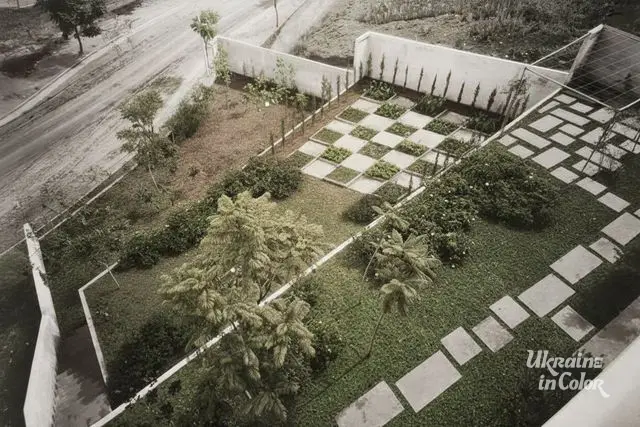
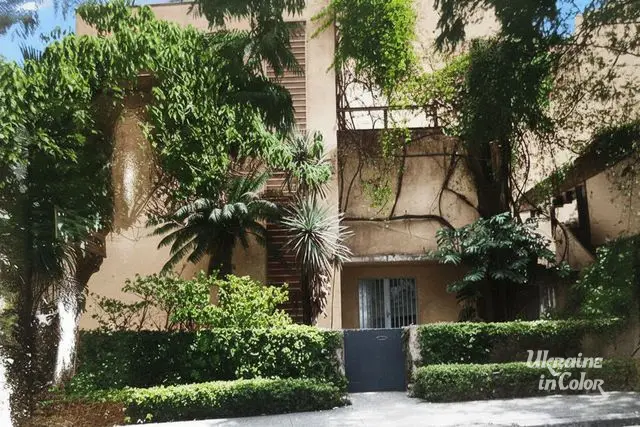
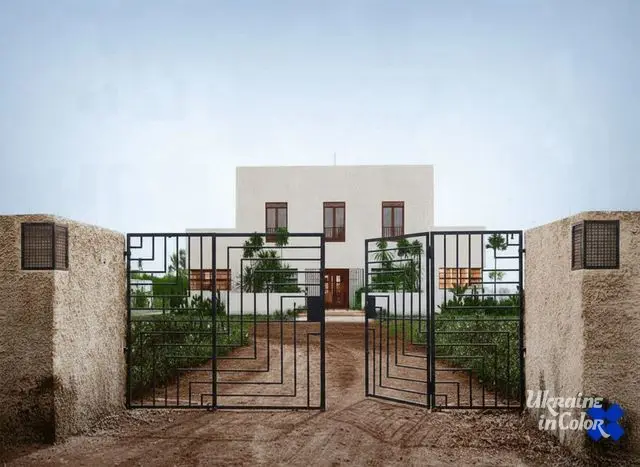
Landscape design by Hryhoriy Varchavchik
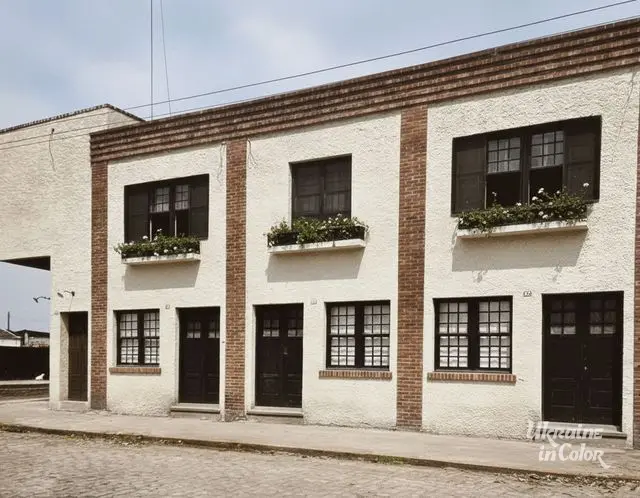
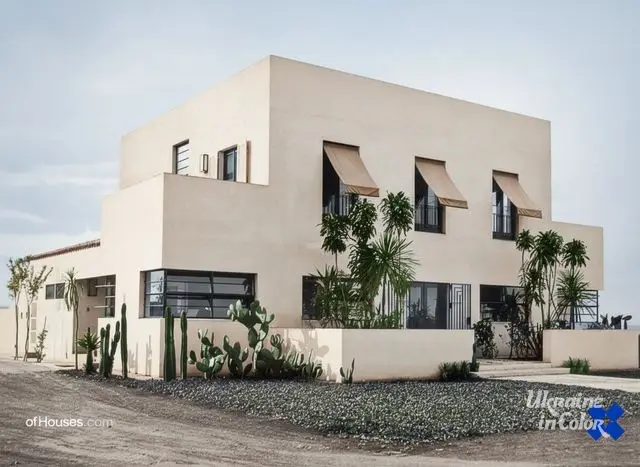
Sobrados Populares, Mooca, São Paulo (SP), Brasil - 1929
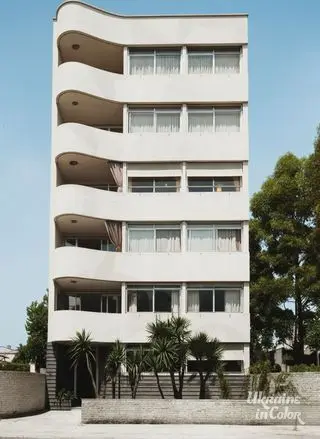
Edificio Cícero Prado, São Paulo (SP) Brasil - 1954
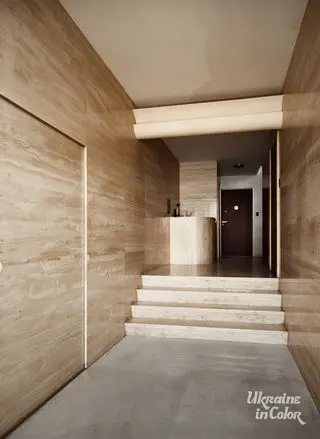
Edifício Mina Klabin, São Paulo (SP), Brasil - 1939
06
002670123013
02
002670122013
Classical Architecture: Modernist House on Rua Bahia
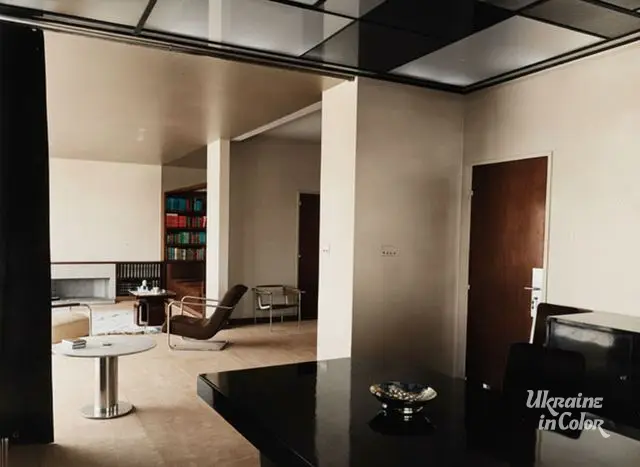
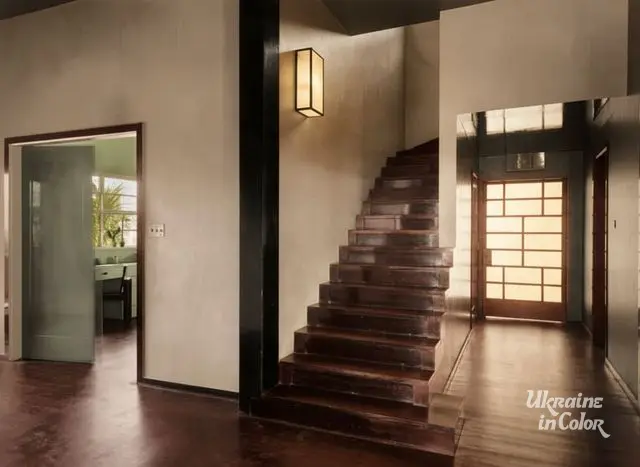
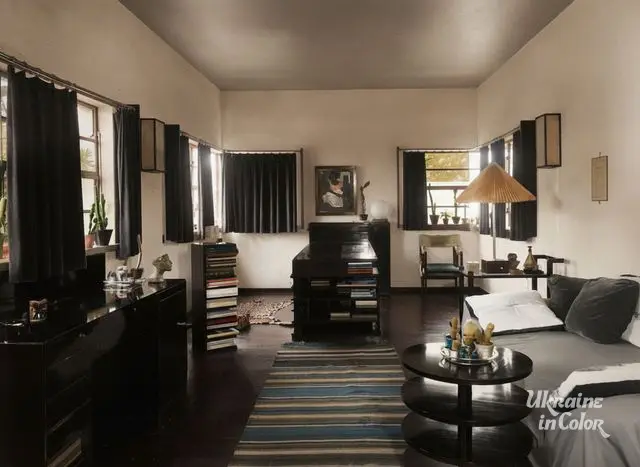
Warchavchik Casa Moveis Interior da Casa da Rua Itápolis
Dionysius Opushkevych Ukrainian Club
Marcelo Fedus Ukrainian Club
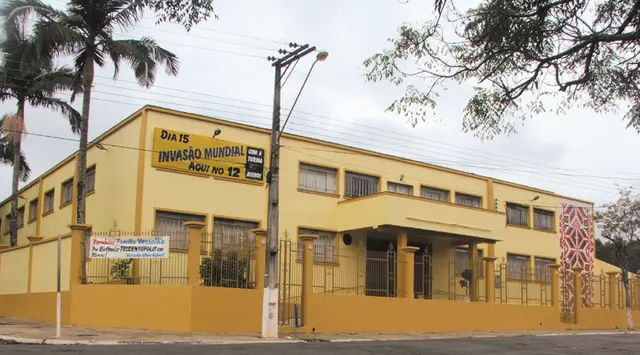
Mércia Guimarães, Workers' Club і Cine Oriente
20. Alla Gorska Z Druzyami Shistdesyatnikami U Kremeneczi 1963 R
Tumblr NzhwjehkAI1twhq1io2 1280
Tumblr NzhwjehkAI1twhq1io7 1280
Tumblr NzhwjehkAI1twhq1io6 1280
Tumblr NzhwjehkAI1twhq1io5 1280
Tumblr NzhwjehkAI1twhq1io4 1280
Tumblr NzhwjehkAI1twhq1io1 640
Tumblr NzhwjehkAI1twhq1io9 1280
In the Fog (1882)
Khreshchatyk
A man is reading something while sitting on a stump on the bank of the Dnieper River with a view of the bridge
The situation with the stroller
Elderly ladies under an umbrella
Swing
Buffet
Soda machines
Student painters in the open air on the slope of Zamkova Hora above Andriivskyi Uzviz
The photo of an Odessa tram was taken by tourist Julien Galeotti in 1963.Material from the electronic archive of the liberation movement:
Block 37 Proposal, Chicago, Illinois, Perspective View from Daley PlazaBlock 37, the parcel of land in the heart of Chicago’s Loop bordered by State, Randolph, Dearborn, and Washington Streets has stood idle for years in spite of numerous ideas for the construction of new buildings. The redevelopment of the block was originally conceived by Mayor Richard J. Daley in the 1970s to transform the site of old, inferior, low-rise buildings into new and larger buildings with more intensive uses in keeping with the downtown area. The site has been the object of several unsuccessful attempts at development over the years. Architect Helmut Jahn, working for the joint venture development company FJV, prepared several schemes for the site between 1983 and 1987. All of these plans envisioned a giant atrium that would permit continuous movement of pedestrians throughout the block. The developers’ failure to secure a anchor tenant for the development—along with delays by the City and the worsening economic situation—cast doom on the project.
Northwestern Terminal Tower, Chicago, Illinois, AxonometricAlthough the Northwestern Atrium Center (now Citigroup Center) meets the street as a cool, reflective waterfall of glass, this exuberant architectural rendering shows the building exploding from its foundations to expose the complex program of its base. Removed from its messy urban environment, the structure appears to float in an abstract grid, an example of Helmut Jahn’s creative exploration of the motifs, materials, and attitude of high-tech postmodern architecture. Unlike the heavy mechanics of other designers working in this vein, however, Jahn’s work evinces a touch of nostalgia for the delicate qualities of industrial architecture of the past. His Northwestern Center fuses a contemporary mirrored-glass facade with curves and articulation that recall Art Deco interiors and 19th-century iron-and-glass train sheds, an appropriate reference for this modern commuter train hub.
Block 37 Proposal, Chicago, Illinois, PerspectiveBlock 37, the parcel of land in the heart of Chicago’s Loop bordered by State, Randolph, Dearborn, and Washington Streets has stood idle for years in spite of numerous ideas for the construction of new buildings. The redevelopment of the block was originally conceived by Mayor Richard J. Daley in the 1970s to transform the site of old, inferior, low-rise buildings into new and larger buildings with more intensive uses in keeping with the downtown area. The site has been the object of several unsuccessful attempts at development over the years. Architect Helmut Jahn, working for the joint venture development company FJV, prepared several schemes for the site between 1983 and 1987. All of these plans envisioned a giant atrium that would permit continuous movement of pedestrians throughout the block. The developers’ failure to secure a anchor tenant for the development—along with delays by the City and the worsening economic situation—cast doom on the project.
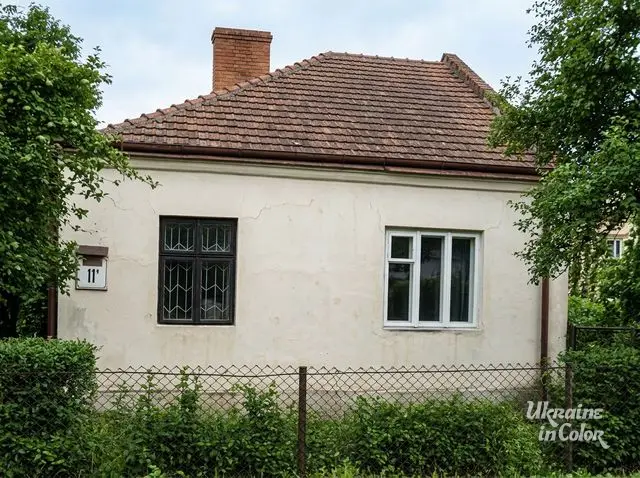
Village houses in Ukraine in the late 1800s or early 1900s
Сoncrete relief on the stairs in the interior of the "Dnipro" sanatorium (now known as Druzhba) in Yevpatoria, Crimea. The artwork was created by Ukrainian artist Ernest Kotkov in the early 1980s.
Pioneer of modern architecture in Brazil from Ukraine - Gregory WarchavchikGregori Warchavchik (1896-1972) was a Ukrainian-Brazilian architect who is considered a pioneer of modern architecture in Brazil. This black-and-white photograph shows him looking through a tiny camera on a tripod. In the 1920s and 1930s, Warchavchik was a prominent figure in the Brazilian modernist movement.