Українська
    Get early access
    Copyright© 2026
    Designed and built by Ukraine in Color team
    Follow for more:Instagram
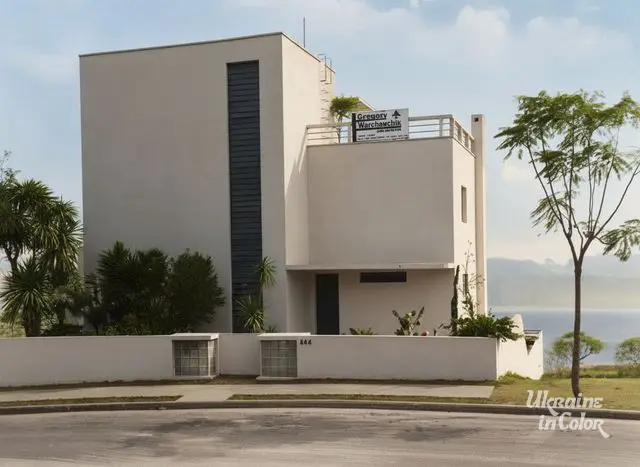
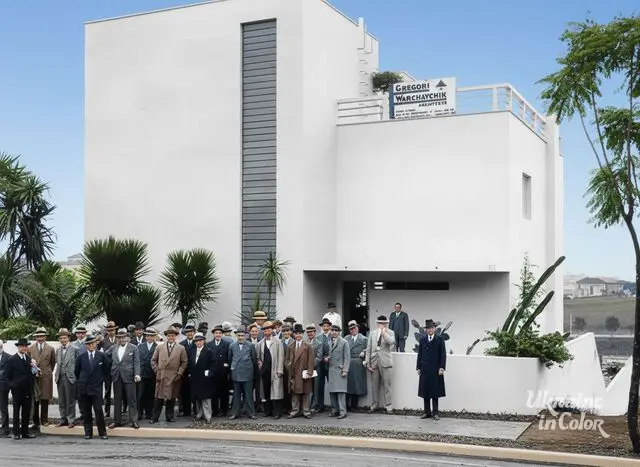
    Gregori Warchavchik

    Tumblr NzhwjehkAI1twhq1io7 1280
    Author:Gregori WarchavchikOriginal: All rights reservedRestoration: All rights reserved
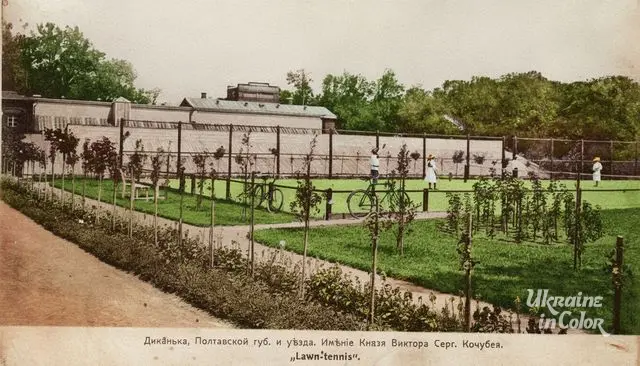
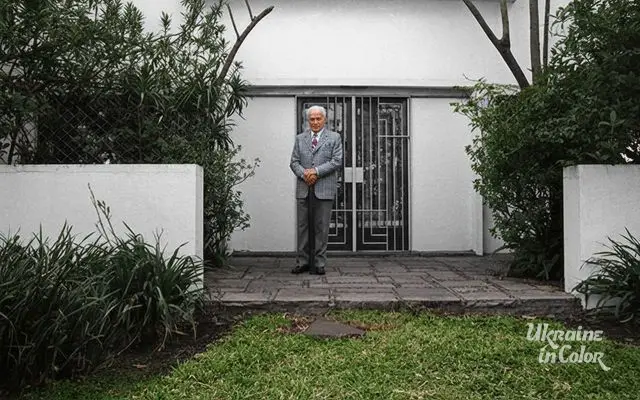
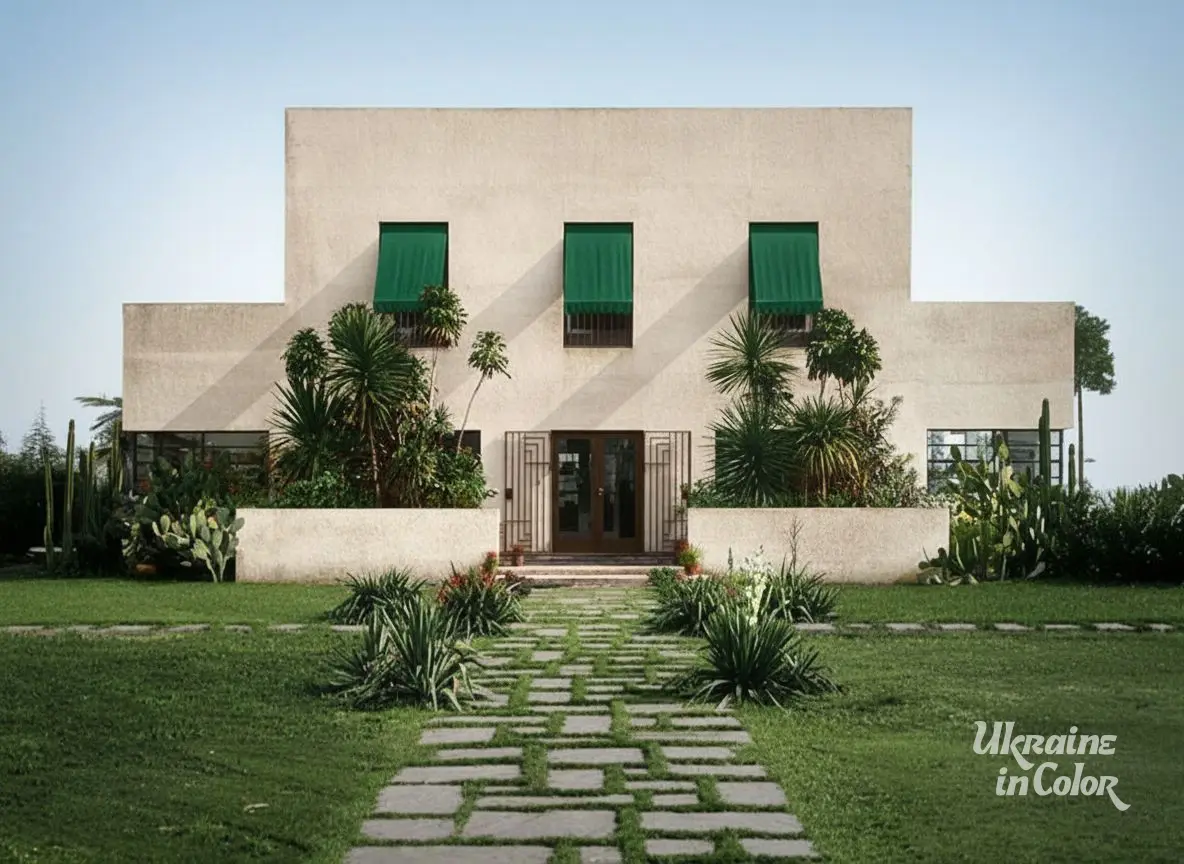
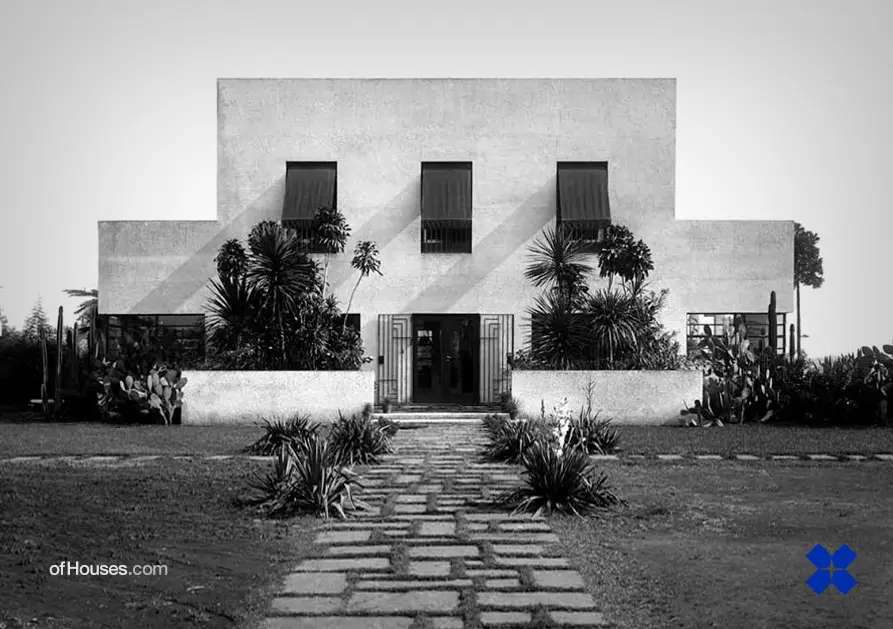
    Gregori Warchavchik and his project
    Gregori Warchavchik and his project
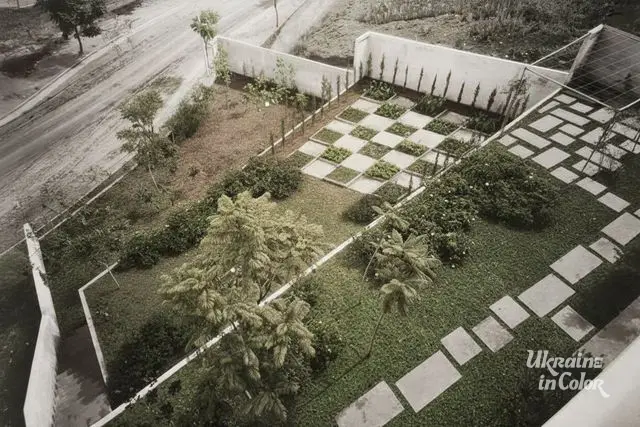
    Landscape design by Hryhoriy Varchavchik
    Landscape design by Hryhoriy Varchavchik
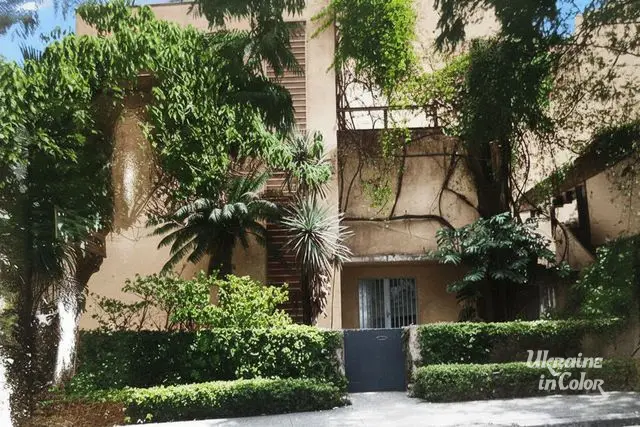
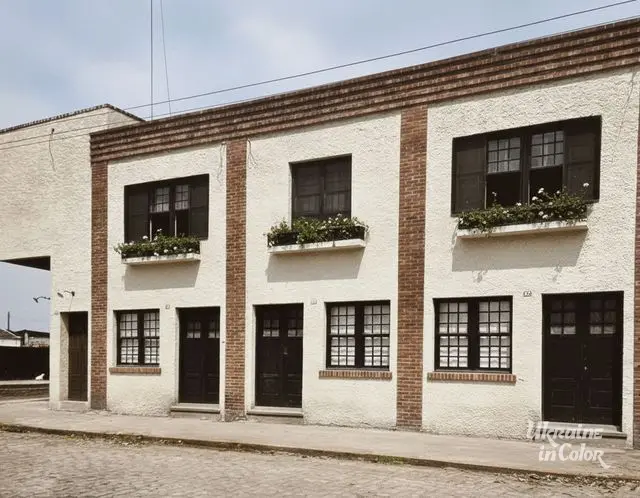
     Sobrados Populares, Mooca, São Paulo (SP), Brasil - 1929
    Sobrados Populares, Mooca, São Paulo (SP), Brasil - 1929
    Edificio Cícero Prado, São Paulo (SP) Brasil - 1954
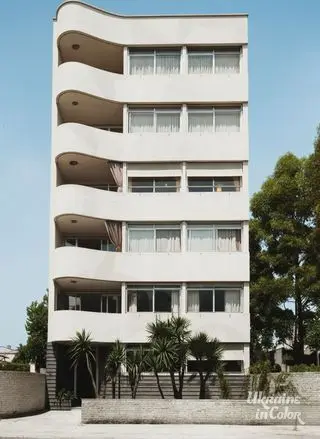
    Edificio Cícero Prado, São Paulo (SP) Brasil - 1954
    Edifício Mina Klabin, São Paulo (SP), Brasil - 1939

    Edifício Mina Klabin, São Paulo (SP), Brasil - 1939
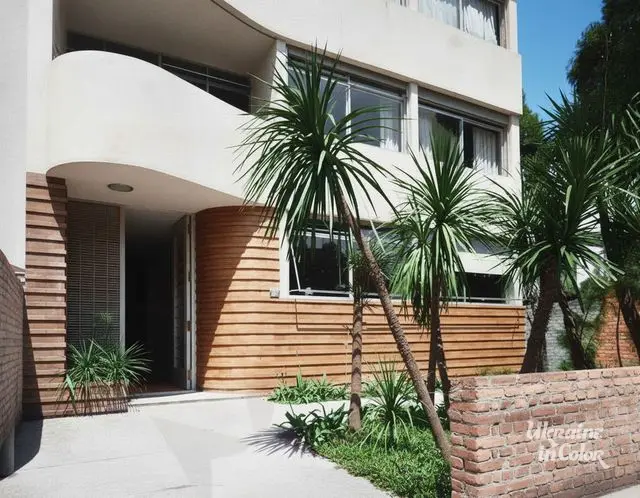
    Edifício Mina Klabin, São Paulo (SP), Brasil - 1939
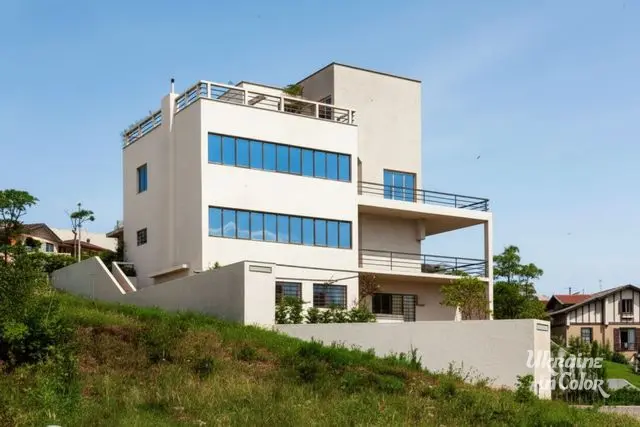
    Edifício Mina Klabin, São Paulo (SP), Brasil - 1939
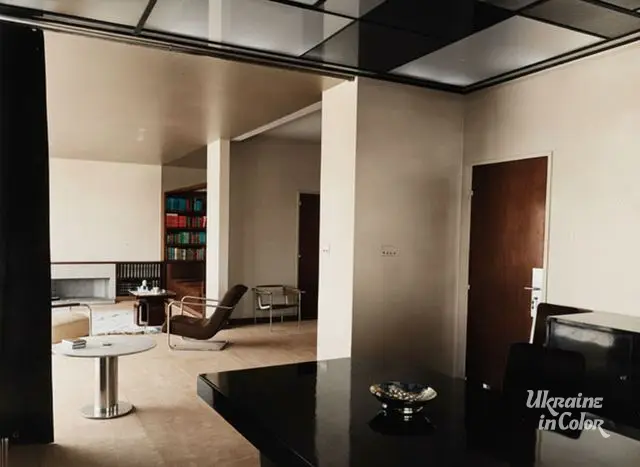
    Edifício Mina Klabin, São Paulo (SP), Brasil - 1939
    Edifício Mina Klabin, São Paulo (SP), Brasil - 1939
    06
    06
    002670123013
    002670123013
    02
    02
    002670122013
    002670122013
    Classical Architecture: Modernist House on Rua Bahia
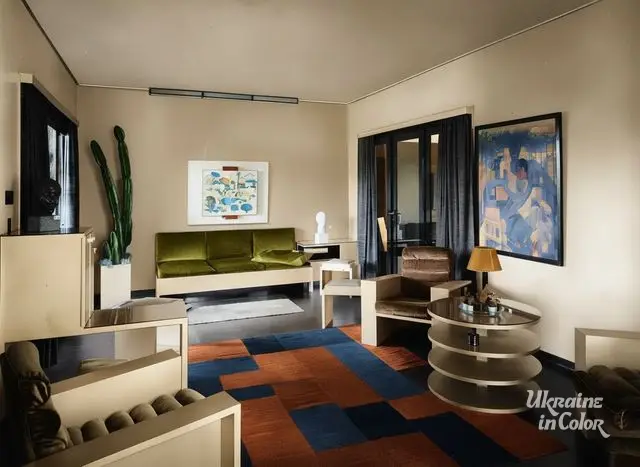
    Classical Architecture: Modernist House on Rua Bahia
    Warchavchik Casa Moveis Interior da Casa da Rua Itápolis
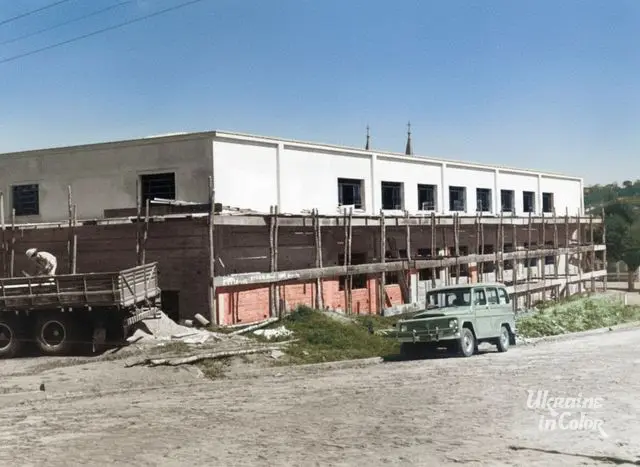
    Warchavchik Casa Moveis Interior da Casa da Rua Itápolis
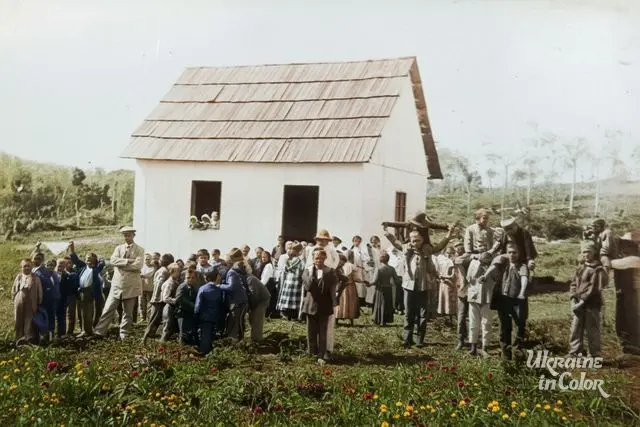
    Padre AtanáSio Imigrantes5
    Padre AtanáSio Imigrantes5
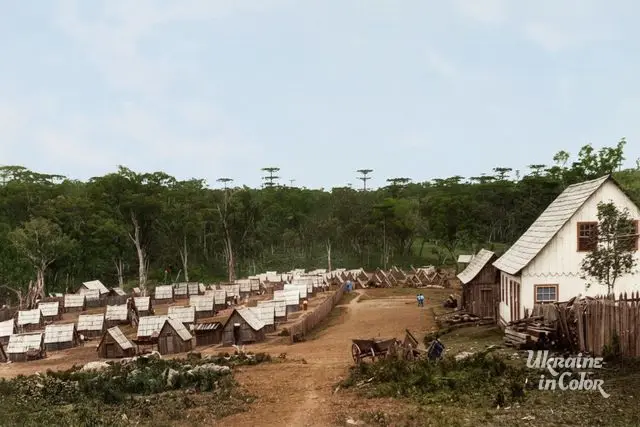
    Padre AtanáSio Barracas Dos Imigrantes 1896
    Padre AtanáSio Barracas Dos Imigrantes 1896
    Padre AtanáSio BarracãO Dos Imigrantes
    Padre AtanáSio BarracãO Dos Imigrantes
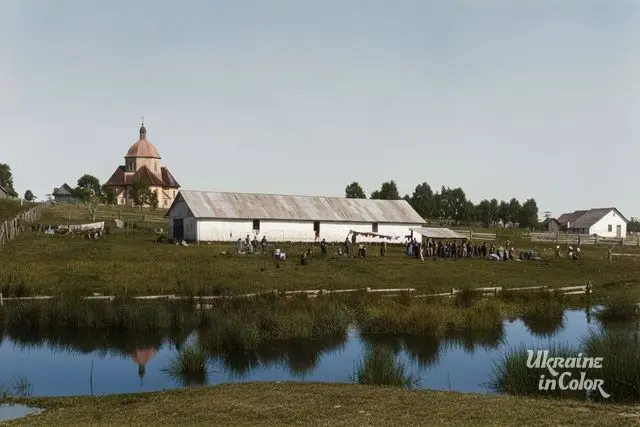
    Zito Imigrantes Em Senador Correa Machado2
    Zito Imigrantes Em Senador Correa Machado2
    20. Alla Gorska Z Druzyami Shistdesyatnikami U Kremeneczi 1963 R
    20. Alla Gorska Z Druzyami Shistdesyatnikami U Kremeneczi 1963 R
    Tumblr NzhwjehkAI1twhq1io2 1280
    Tumblr NzhwjehkAI1twhq1io2 1280
    Tumblr NzhwjehkAI1twhq1io6 1280
    Tumblr NzhwjehkAI1twhq1io6 1280
    Tumblr NzhwjehkAI1twhq1io5 1280
    Tumblr NzhwjehkAI1twhq1io5 1280
    Tumblr NzhwjehkAI1twhq1io4 1280
    Tumblr NzhwjehkAI1twhq1io4 1280
    Tumblr NzhwjehkAI1twhq1io1 640
    Tumblr NzhwjehkAI1twhq1io1 640
    Tumblr NzhwjehkAI1twhq1io9 1280
    Tumblr NzhwjehkAI1twhq1io9 1280
    fragment of "Musical Grammar" by M. Dyletsky.
    fragment of "Musical Grammar" by M. Dyletsky.A native of Kyiv, Mykola Dyletsky is called the creator of the Western school of partes music, which gave the world a number of outstanding composers. He wrote the theoretical work “Musical Grammar” — a monument of the Ukrainian Baroque — which was published exactly 350 years ago in Vilna (now Vilnius). In it, Dyletsky explained in detail the technical features of partes singing and composition. And what is important! In this work, he was the first in the world to describe the circle of fifths — as a graphic diagram by which a musician can trace the harmonic connections between all major and minor keys of 12 notes. For composers, this work made it easier to write music. This is really worth paying attention to… The work “The Resurrection Canon” by Mykola Dyletsky. Please listen.
    Sonia Delaunay in Simultaneous dress
    Sonia Delaunay in Simultaneous dress
    Block 37 Proposal, Chicago, Illinois, Perspective View from Daley Plaza
    Block 37 Proposal, Chicago, Illinois, Perspective View from Daley PlazaBlock 37, the parcel of land in the heart of Chicago’s Loop bordered by State, Randolph, Dearborn, and Washington Streets has stood idle for years in spite of numerous ideas for the construction of new buildings. The redevelopment of the block was originally conceived by Mayor Richard J. Daley in the 1970s to transform the site of old, inferior, low-rise buildings into new and larger buildings with more intensive uses in keeping with the downtown area. The site has been the object of several unsuccessful attempts at development over the years. Architect Helmut Jahn, working for the joint venture development company FJV, prepared several schemes for the site between 1983 and 1987. All of these plans envisioned a giant atrium that would permit continuous movement of pedestrians throughout the block. The developers’ failure to secure a anchor tenant for the development—along with delays by the City and the worsening economic situation—cast doom on the project.
    Northwestern Terminal Tower, Chicago, Illinois, Axonometric
    Northwestern Terminal Tower, Chicago, Illinois, AxonometricAlthough the Northwestern Atrium Center (now Citigroup Center) meets the street as a cool, reflective waterfall of glass, this exuberant architectural rendering shows the building exploding from its foundations to expose the complex program of its base. Removed from its messy urban environment, the structure appears to float in an abstract grid, an example of Helmut Jahn’s creative exploration of the motifs, materials, and attitude of high-tech postmodern architecture. Unlike the heavy mechanics of other designers working in this vein, however, Jahn’s work evinces a touch of nostalgia for the delicate qualities of industrial architecture of the past. His Northwestern Center fuses a contemporary mirrored-glass facade with curves and articulation that recall Art Deco interiors and 19th-century iron-and-glass train sheds, an appropriate reference for this modern commuter train hub.
    Block 37 Proposal, Chicago, Illinois, Perspective
    Block 37 Proposal, Chicago, Illinois, PerspectiveBlock 37, the parcel of land in the heart of Chicago’s Loop bordered by State, Randolph, Dearborn, and Washington Streets has stood idle for years in spite of numerous ideas for the construction of new buildings. The redevelopment of the block was originally conceived by Mayor Richard J. Daley in the 1970s to transform the site of old, inferior, low-rise buildings into new and larger buildings with more intensive uses in keeping with the downtown area. The site has been the object of several unsuccessful attempts at development over the years. Architect Helmut Jahn, working for the joint venture development company FJV, prepared several schemes for the site between 1983 and 1987. All of these plans envisioned a giant atrium that would permit continuous movement of pedestrians throughout the block. The developers’ failure to secure a anchor tenant for the development—along with delays by the City and the worsening economic situation—cast doom on the project.
    Oleksandr Bogomazov
    Oleksandr Bogomazov
    Ukrainian Pavilion at the 1933 World's Fair in Chicago.
    Ukrainian Pavilion at the 1933 World's Fair in Chicago.
    Parishioners arrived, to protest the changes made to the church calendar in Chicago
    Parishioners arrived, to protest the changes made to the church calendar in ChicagoBishop Jaroslav Gabro, of the Ukrainian rite of the Roman Catholic Church, was absent from his Oak Park home when parishioners arrived on Jan. 20, 1968, to protest the changes made to the church calendar.
    People of Ukrainian descent march at Western and Rice avenues on Oct. 13, 1963, in remembrance of the 30th anniversary of the Holodomor, a famine in Soviet Ukraine that killed millions of Ukrainians.
    People of Ukrainian descent march at Western and Rice avenues on Oct. 13, 1963, in remembrance of the 30th anniversary of the Holodomor, a famine in Soviet Ukraine that killed millions of Ukrainians.People of Ukrainian descent march at Western and Rice avenues on Oct. 13, 1963, in remembrance of the 30th anniversary of the Holodomor, a famine in Soviet Ukraine that killed millions of Ukrainians.
    The anti-Soviet protest of Ukrainians in Chicago
    The anti-Soviet protest of Ukrainians in ChicagoRuslana Zavadovych, 8, displays a sign citing infamous incidents in Ukrainian history, including the Chernobyl nuclear plant disaster and Holodomor, at a Daley Plaza rally on June 9, 1986. The anti-Soviet protest was sponsored by the Ukrainian Congress Committee.
    Zino Davidoff, a renowned Ukrainian-Swiss tobacconist and the founder of the Davidoff luxury brand
    Zino Davidoff, a renowned Ukrainian-Swiss tobacconist and the founder of the Davidoff luxury brandThe photograph shows him standing in front of his cigar shop in Geneva, Switzerland. Zino Davidoff's father, Henri Davidoff, a tobacco merchant, opened a tobacco shop in Geneva in 1911 after the family fled Ukraine. Zino later took over the business and was instrumental in its growth. He is credited with several innovations in the cigar industry, including the invention of the desktop humidor. During World War II, he famously acquired the cigar stock from Paris to protect it from the invading forces, which cemented his reputation as a key figure in the European tobacco trade. The Davidoff brand, now owned by Oettinger Davidoff AG, has expanded beyond cigars to include a range of luxury products such as fragrances, leather goods, and accessories.
    Portrait of the American sculptor Louise Nevelson, taken by the celebrated fashion and portrait photographer Richard Avedon. The image was captured in New York in 1975.
    Portrait of the American sculptor Louise Nevelson, taken by the celebrated fashion and portrait photographer Richard Avedon. The image was captured in New York in 1975.
    Band New Order performing live in New York in 1981 at the Ukrainian National Home
    Band New Order performing live in New York in 1981 at the Ukrainian National HomeA New Beginning: This performance was part of New Order’s first U.S. tour, staged a little over a year after Joy Division singer Ian Curtis’s death. It marked a crucial step in the band’s transition and the beginning of their effort to define an identity separate from their previous group. Musical Evolution: On this tour, New Order moved beyond Joy Division’s post‑punk austerity, embracing synthesizers and propulsive rhythms. In New York they unveiled an early, unreleased ten‑minute version of Temptation, drawing rave reviews and cementing their reputation at the forefront of post‑punk. Video Recording: The show—performed in 1981 in New York City—was filmed by Michael Shamberg and later released on VHS as Taras Shevchenko, capturing the band in a raw, transitional phase and becoming a vital document of their early career. The Ukrainian National Home’s name—and the portrait of poet Taras Shevchenko hanging behind the stage—were prominently displayed, underscoring the venue’s cultural co
    Village houses in Ukraine in the late 1800s or early 1900s
    Village houses in Ukraine in the late 1800s or early 1900s
    Two models in Sonia Delaunay's boulevard Malesherbes studio
    Two models in Sonia Delaunay's boulevard Malesherbes studioThe photograph depicts two models wearing designs by artist and designer Sonia Delaunay. The outfits are described as beachwear, swimwear, or clothing with geometric patterns. One model holds an umbrella, also designed by Delaunay. The designs are part of the "Simultaneous" line, which reflects Delaunay's artistic theory of using bold, contrasting colors and geometric shapes to create movement and harmony. The clothing was created to suit the real lives of women, allowing for freedom of movement.
    Serge Lifar, ‘élévation’
    Serge Lifar, ‘élévation’The image depicts the dancer and choreographer Serge Lifar performing a jump, referred to as an "élévation," while a female dancer lies on the deck of what appears to be a ship. The photo was featured in the 1934 book Destin d'un Danseur.