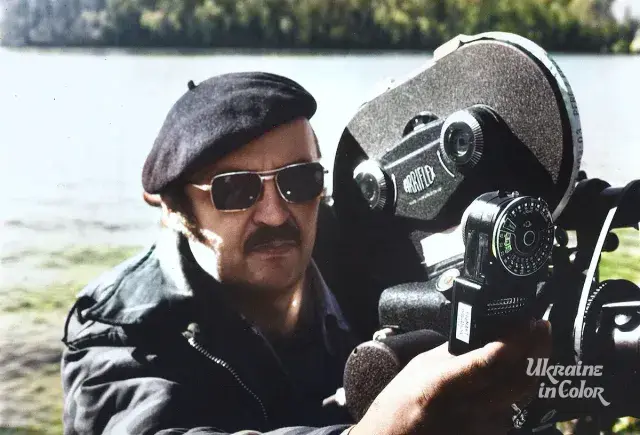
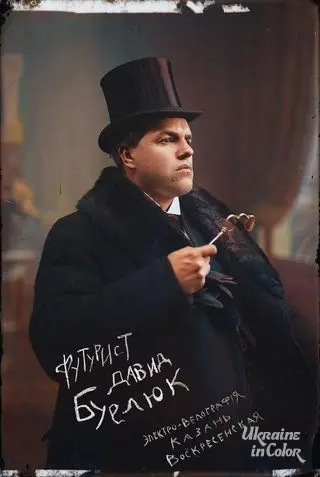
Mykola Glushchenko and Volodymyr Vynnychenko | Ukraine in color
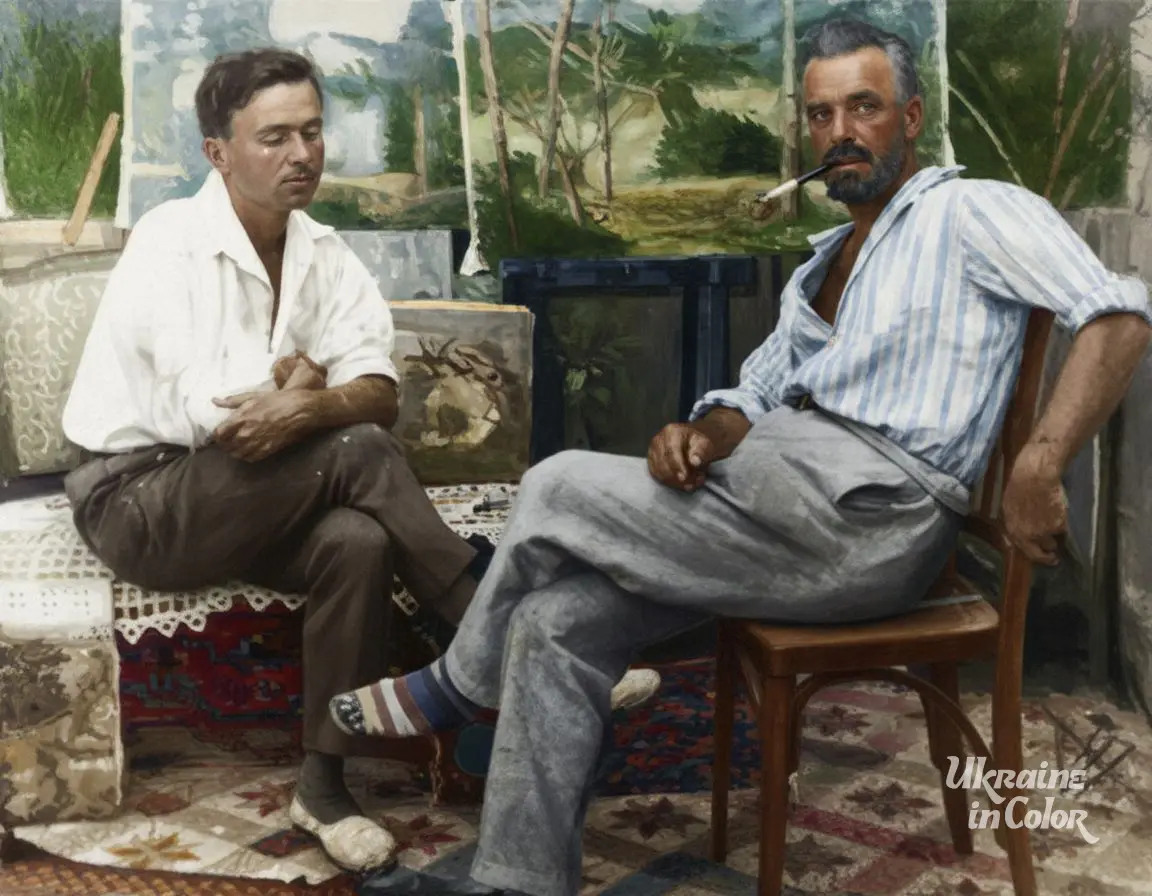
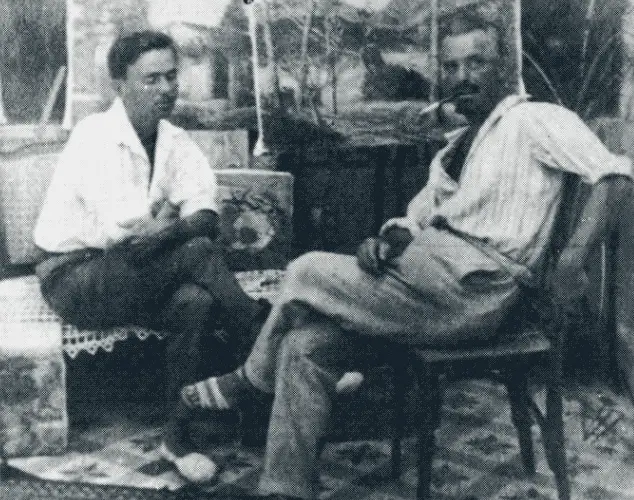
Mykola Glushchenko and Volodymyr Vynnychenko
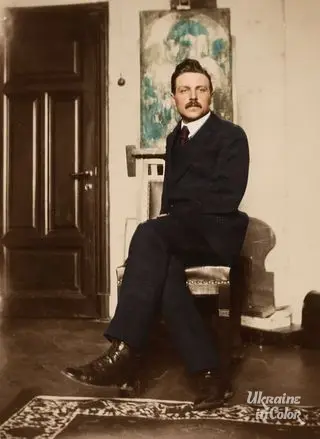
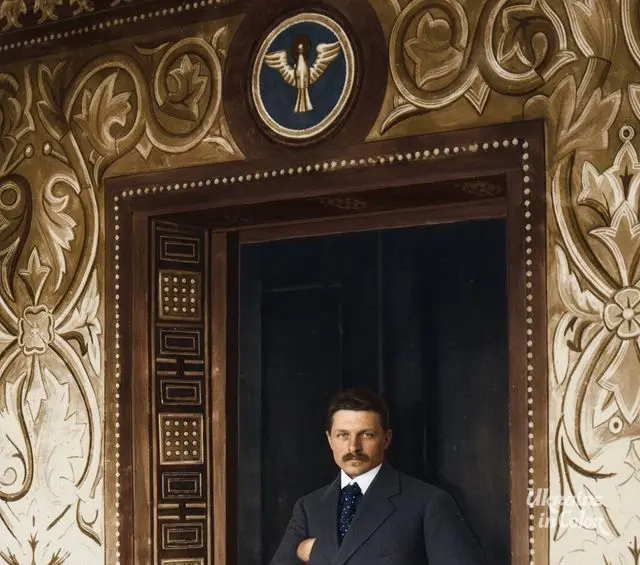
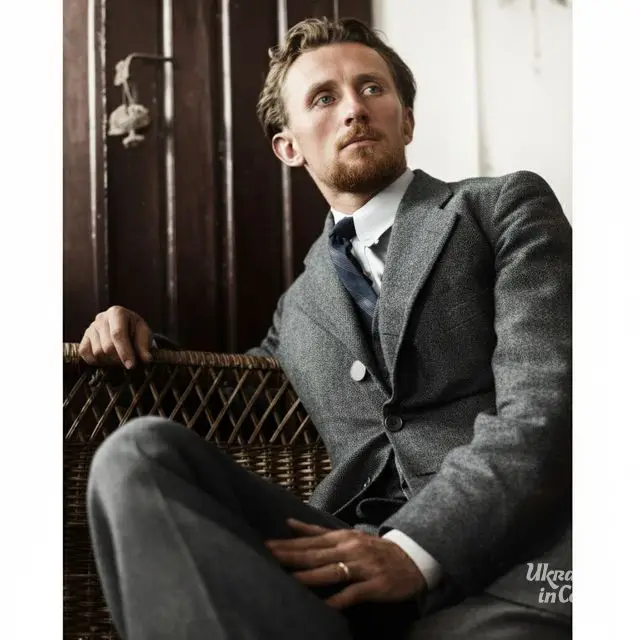
Depicted:Mykola GlushchenkoOriginal: All rights reservedRestoration: All rights reserved
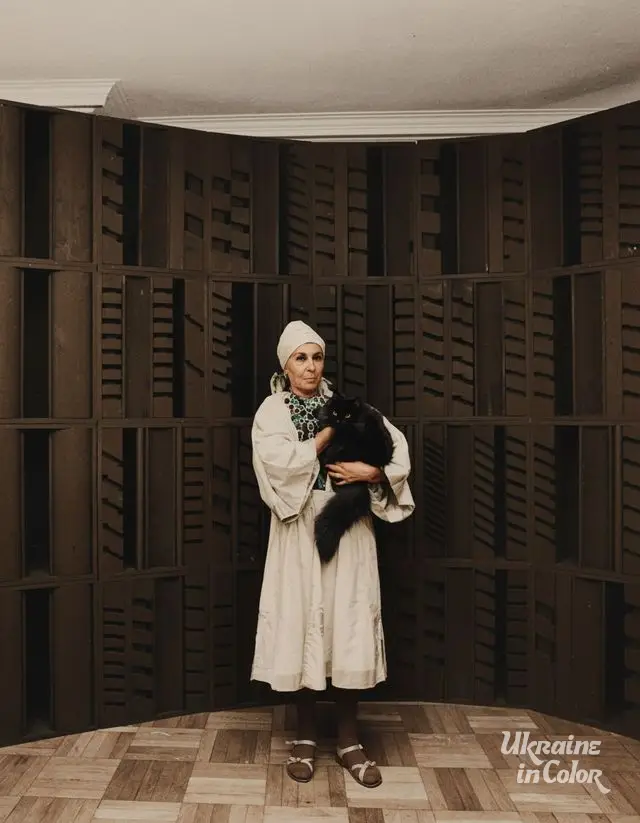
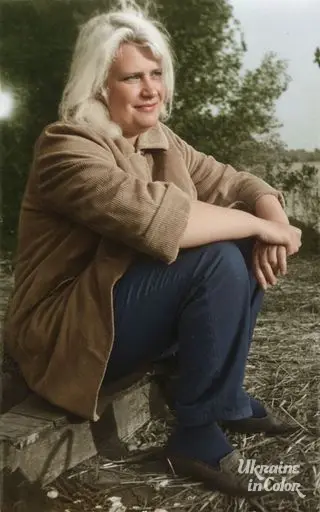
Lina Kostenko
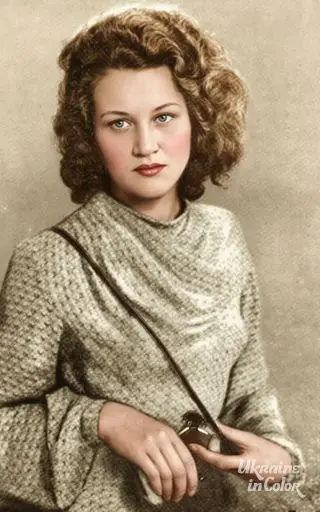
Yaroslava Music. 1965. Central State Library of the Russian Academy of Sciences of Ukraine, f. 251, op. 1, unit. collection 20, sheet 3.
Yaroslava Lvivna Music
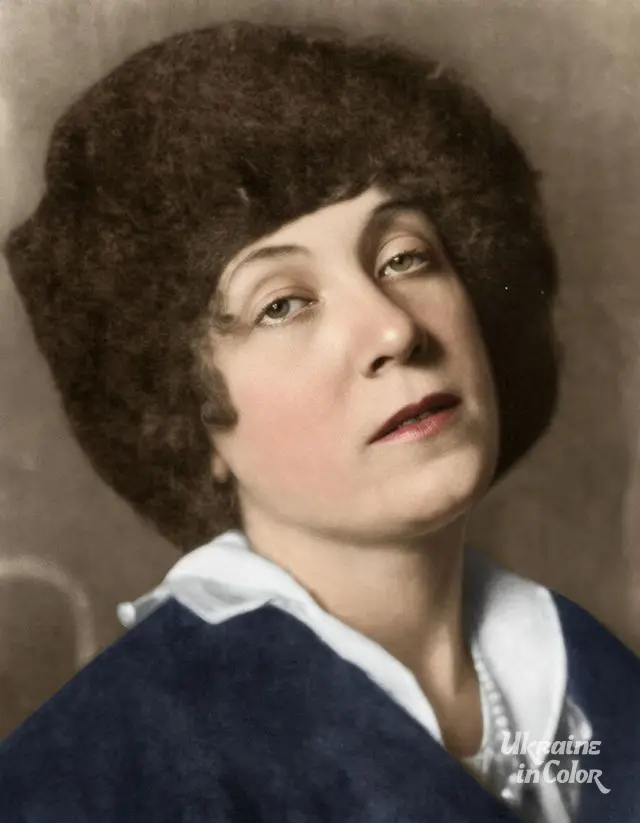
Sofia Nalepinska–Boychuk
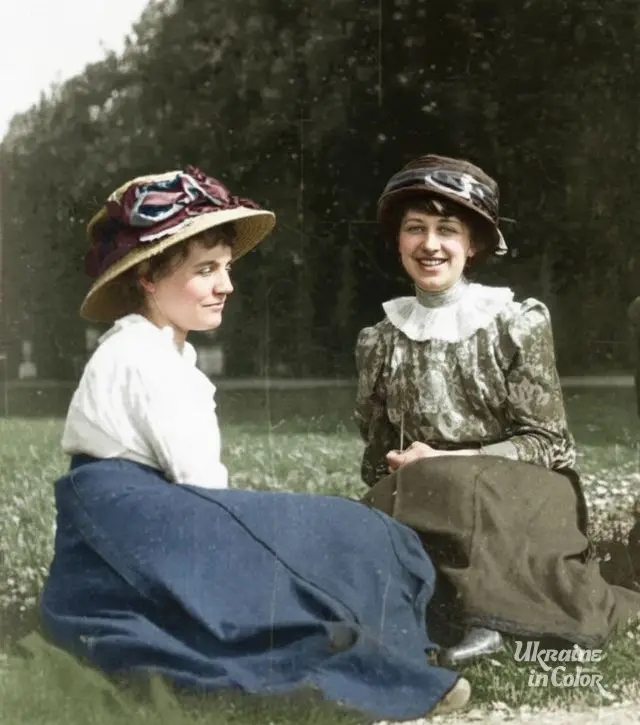
Sophia Baudouin de Courtenay and Sophia Nalepinska
Ivanova Antonina Nikolaevna
Oksana Pavlenko
Portret Marie Bashkirtseff
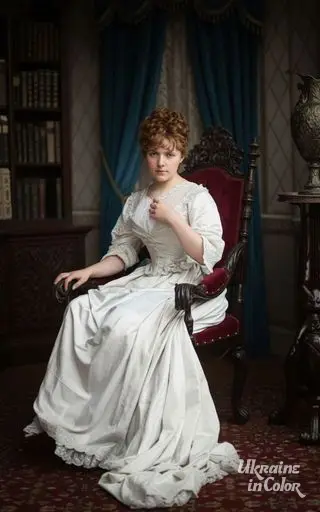
Marie Bashkirtseff on a chair
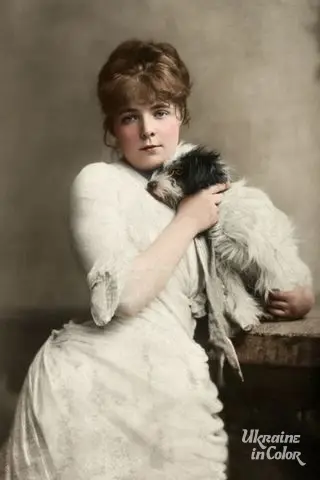
Portrait of Mariebashkirtsef with a puppy
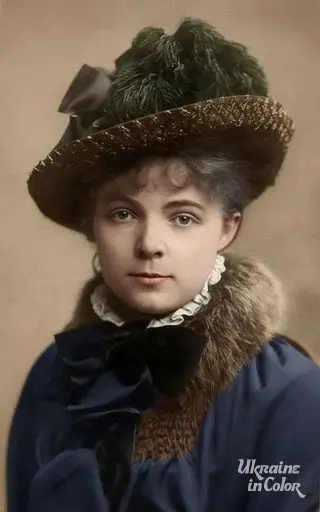
Mariya Bashkirczeva in a hat
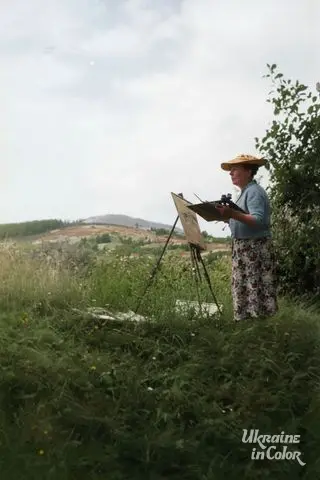
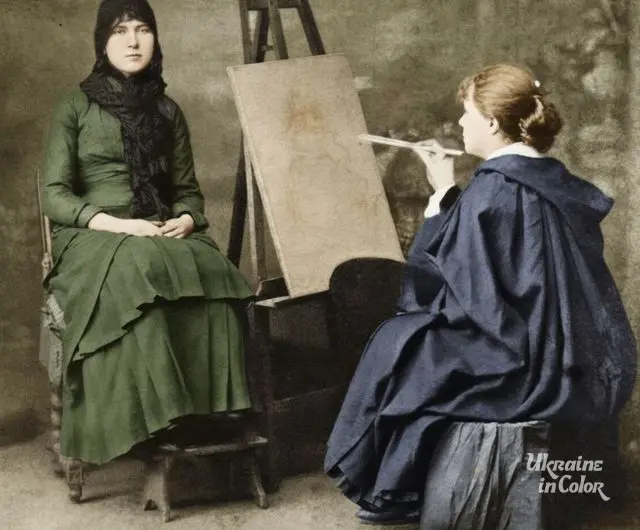
Maria Bashkyrtseva paints a portrait in the studio
Louise Nevelson, "Sky Cathedral," 1957. Painted wood, 57 x 149 x 16 inches. San José Museum of Art. Gift of Beverly and Peter Lipman, 2010.16. Photo by Douglas SandbergIn the 1950s, Louise Nevelson pushed unorthodox use of material and form to include light and shadow in the creation of large-scale sculptural environments in “a search for continuity between beings, things, and spaces.” At that time, the artist also developed a flamboyant and grandiose persona—jet-black eyelash extensions, colorful coats, and bold jewelry—that reflected the enigma and complexity of her sculptures.
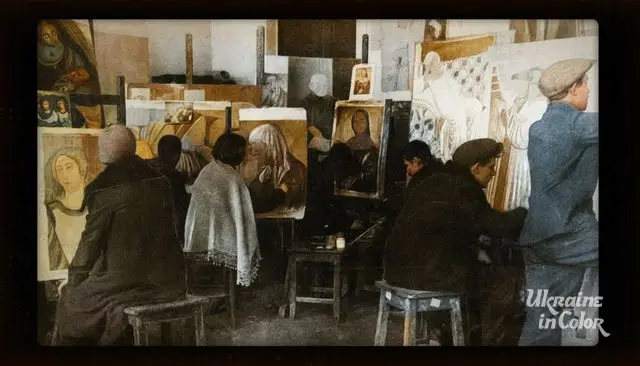
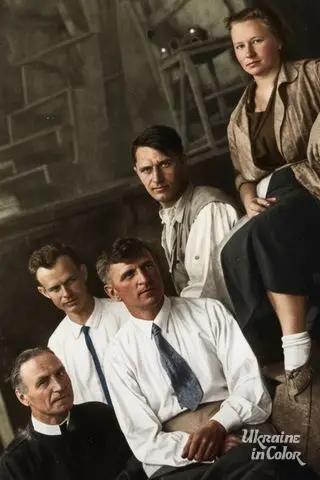
Boychukists studying in the workshop
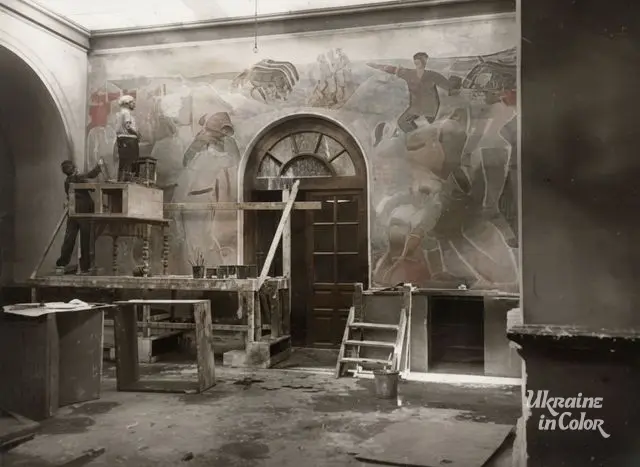
Work On A Wall Painting In The Club Of Katarzhyn Village Near Odesa
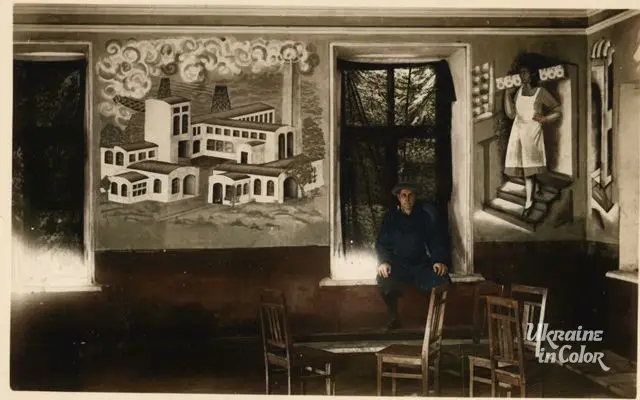
Ukrainian art at the Mezhyhirya Ceramic School Club. Portrait of an Unknown
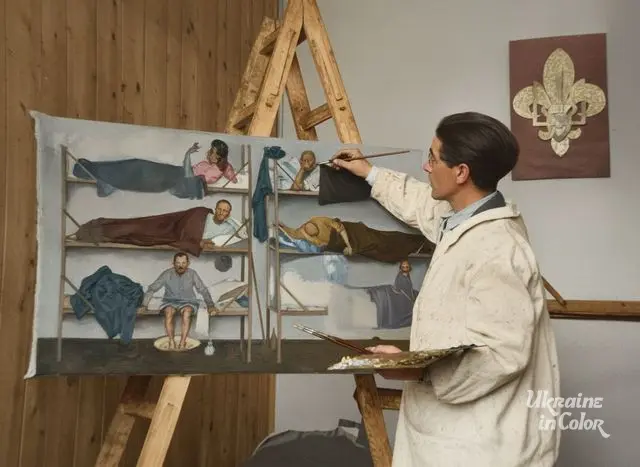
Boychuk in a workshop in an apartment in Lviv
Boychuk against the backdrop of the murals at the entrance to the chapel of the Jacobite Bursa in Lviv
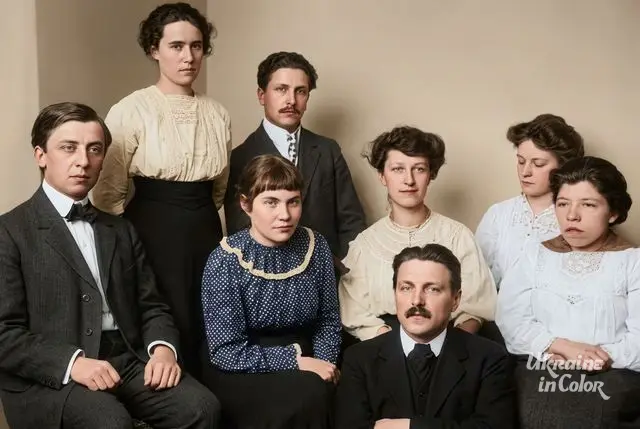
Group “Renovation Byzantine” of the first waveThe “Renovation Bizantine” group of the first draft – Mykhailo Boychuk (sitting below, in the center); together with the master – Helene Schramm, Mykola Kasperovich, T. Nalepinsky, Sophia Baudouin-de-Courtenay, future wife Sophia Nalepinska, Sophia Segnot, Yanina Levakovska; Paris, 1910
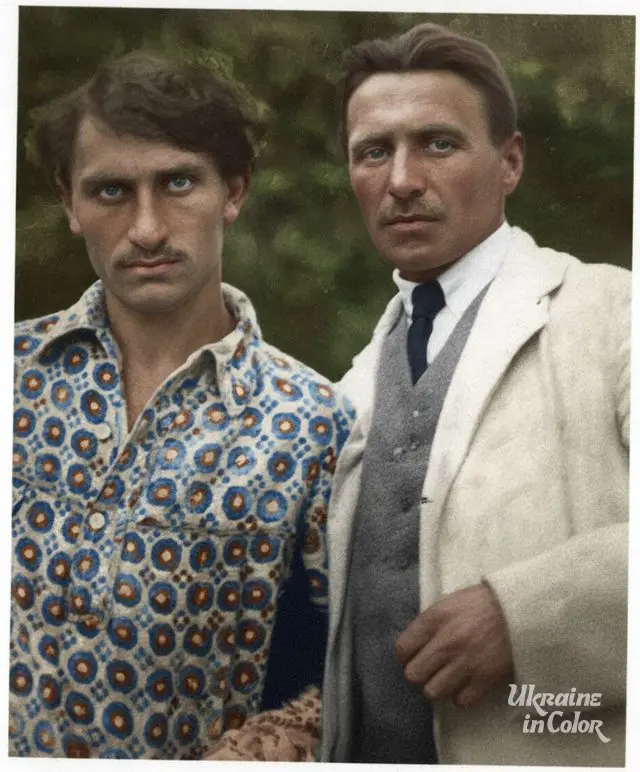
Mykhailo Boychuk and Vasyl Sedlyar
Boychukists of the Boychuk School in Kyiv
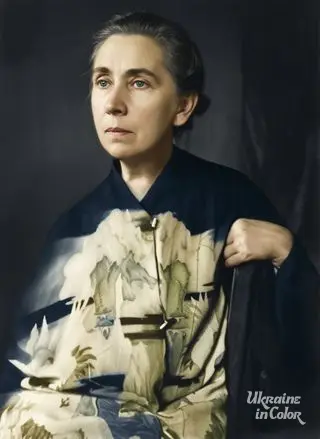
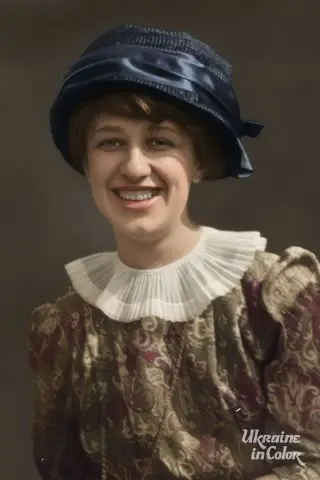
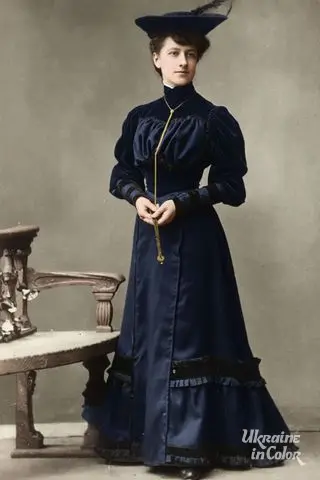
Sofia Nalepinska-BoychukUkrainian graphic artist, one of the key figures of Boychukism and a representative of the Shot Revival.
Narbut
Miguel Bakun
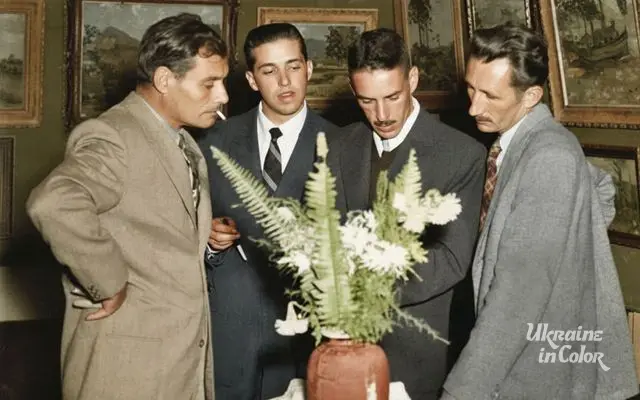
From right to left - Guilherme Matter, Vasco José Taborda, Nelson Luz and Bakun at the exhibition.
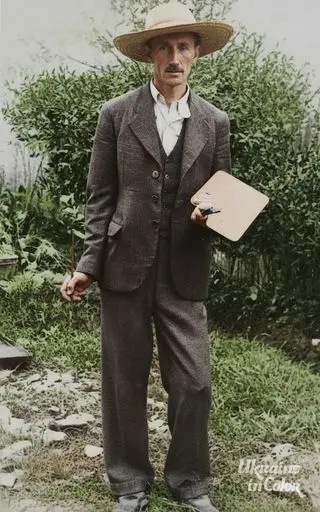
Miguel (Mikhailo) Bakun
Alla Gorska during her trip to Ukraine
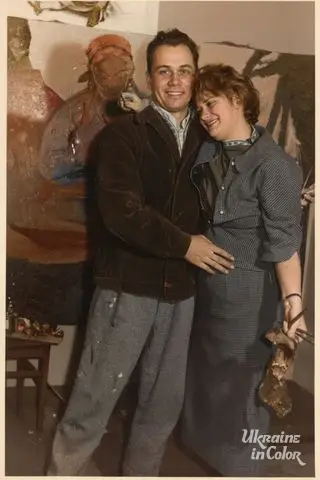
2. Viktor Zareczkij I Alla Gorska V Hudozhnij Majsterni Poch. 1960 H Rr. 1
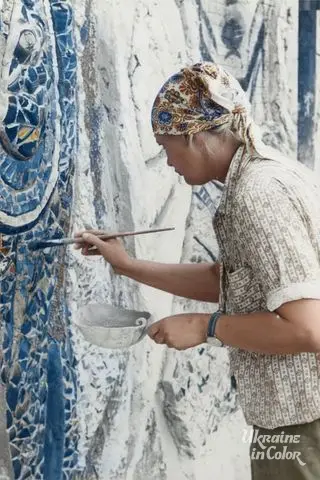
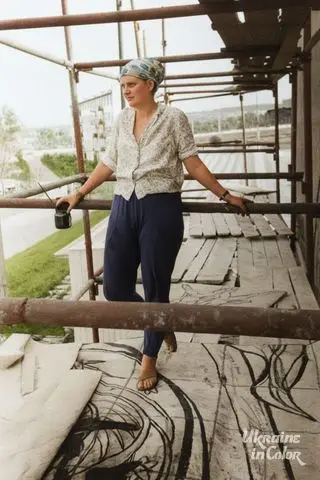
Alla Gorska at work on the mosaic scaffolding
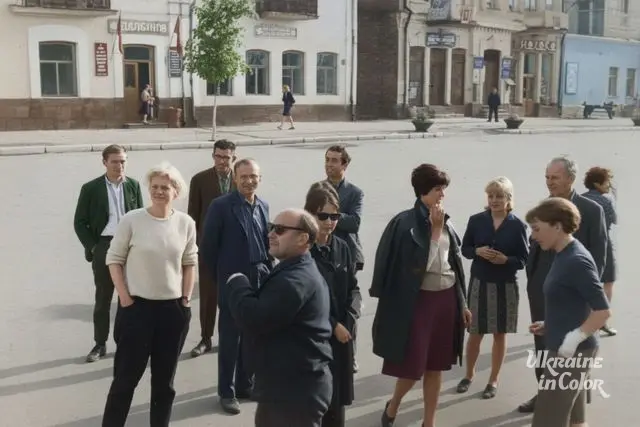
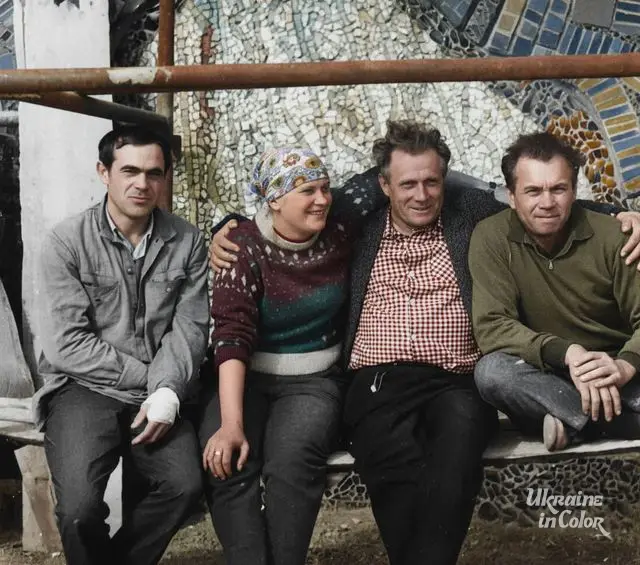
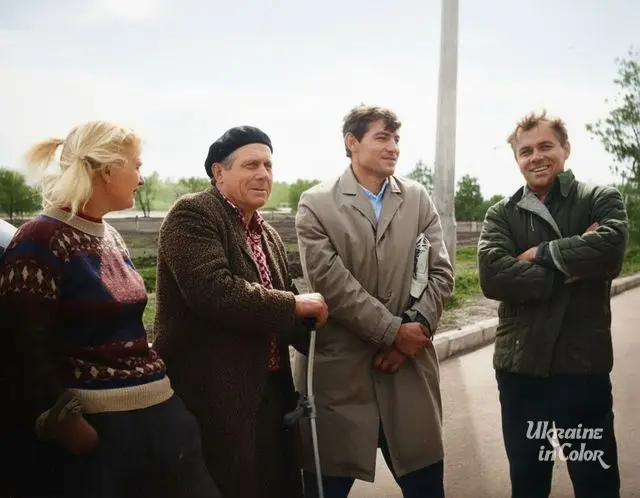
Vasyl Parakhin Alla Horska Hryhoriy Synytsia Viktor Zaretsky — Near the "Prometheus" mosaic.
Alla Gorska on the scaffolding of the mosaic
Alla Horska, Hryhoriy Synytsia, Vasyl Stus, Viktor Zaretsky
All Gorska
Nadiyka Hryhorivska Ivan Drach Alla Horska during a trip to Ukraine
20. Alla Gorska Z Druzyami Shistdesyatnikami U Kremeneczi 1963 R
Photo of Alla Horska, end of the 1940s, Odesa, Ukraine. Ukrainian Unofficial.
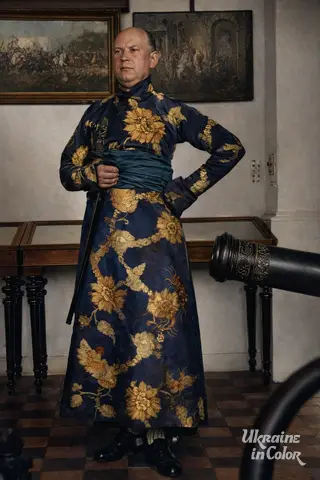
Living Echo of the Cossack Elite: Georgiy Narbut in Paraska Apostol’s Kontusz with Kelep and Colonel MiloradovychIn the photograph, Georgiy Narbut stands in the Cossack hall of the Tarnovsky Museum (now a room of the Chernihiv Regional Library for Youth), fully immersed in a historical Ukrainian image. He is dressed in the kontusz of Paraska Apostol, daughter of Hetman Danylo Apostol, holding a kelep in his right hand, while to his right stands Colonel Mykhailo “Cannon” Miloradovych. This staged yet documentary scene shows Narbut not just studying Cossack-era artifacts, but literally wearing them, turning himself into a living embodiment of the Ukrainian noble-Cossack past.