Block 37 Proposal, Chicago, Illinois, Perspective View from Daley PlazaBlock 37, the parcel of land in the heart of Chicago’s Loop bordered by State, Randolph, Dearborn, and Washington Streets has stood idle for years in spite of numerous ideas for the construction of new buildings. The redevelopment of the block was originally conceived by Mayor Richard J. Daley in the 1970s to transform the site of old, inferior, low-rise buildings into new and larger buildings with more intensive uses in keeping with the downtown area. The site has been the object of several unsuccessful attempts at development over the years. Architect Helmut Jahn, working for the joint venture development company FJV, prepared several schemes for the site between 1983 and 1987. All of these plans envisioned a giant atrium that would permit continuous movement of pedestrians throughout the block. The developers’ failure to secure a anchor tenant for the development—along with delays by the City and the worsening economic situation—cast doom on the project.
Northwestern Terminal Tower, Chicago, Illinois, AxonometricAlthough the Northwestern Atrium Center (now Citigroup Center) meets the street as a cool, reflective waterfall of glass, this exuberant architectural rendering shows the building exploding from its foundations to expose the complex program of its base. Removed from its messy urban environment, the structure appears to float in an abstract grid, an example of Helmut Jahn’s creative exploration of the motifs, materials, and attitude of high-tech postmodern architecture. Unlike the heavy mechanics of other designers working in this vein, however, Jahn’s work evinces a touch of nostalgia for the delicate qualities of industrial architecture of the past. His Northwestern Center fuses a contemporary mirrored-glass facade with curves and articulation that recall Art Deco interiors and 19th-century iron-and-glass train sheds, an appropriate reference for this modern commuter train hub.
Block 37 Proposal, Chicago, Illinois, PerspectiveBlock 37, the parcel of land in the heart of Chicago’s Loop bordered by State, Randolph, Dearborn, and Washington Streets has stood idle for years in spite of numerous ideas for the construction of new buildings. The redevelopment of the block was originally conceived by Mayor Richard J. Daley in the 1970s to transform the site of old, inferior, low-rise buildings into new and larger buildings with more intensive uses in keeping with the downtown area. The site has been the object of several unsuccessful attempts at development over the years. Architect Helmut Jahn, working for the joint venture development company FJV, prepared several schemes for the site between 1983 and 1987. All of these plans envisioned a giant atrium that would permit continuous movement of pedestrians throughout the block. The developers’ failure to secure a anchor tenant for the development—along with delays by the City and the worsening economic situation—cast doom on the project.
Bleaching canvas near a pond. 1920s. Southern Chernihiv region. P. 35.
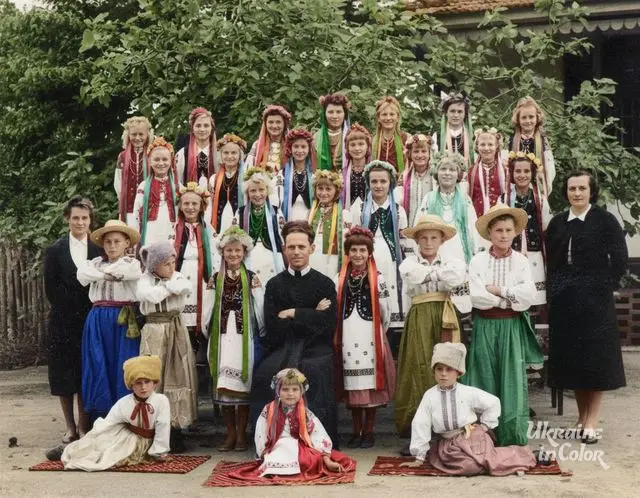
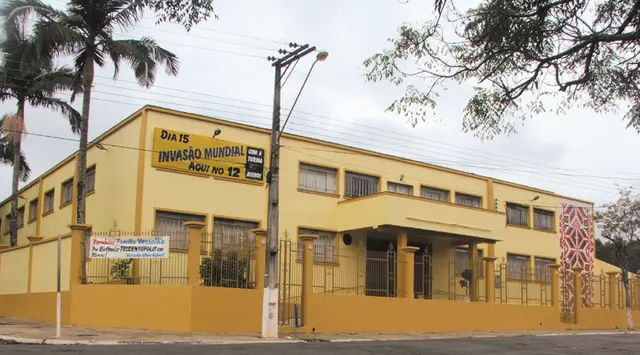
Tatar Children's School
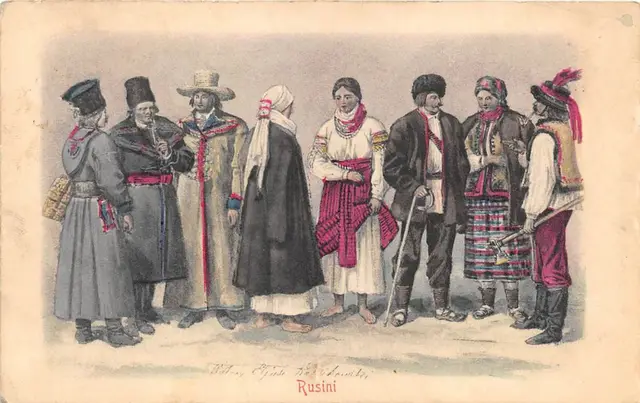
Women and girls, possibly dressed to celebrate a wedding, in Ukraine's Pavlohrad Region in 1909
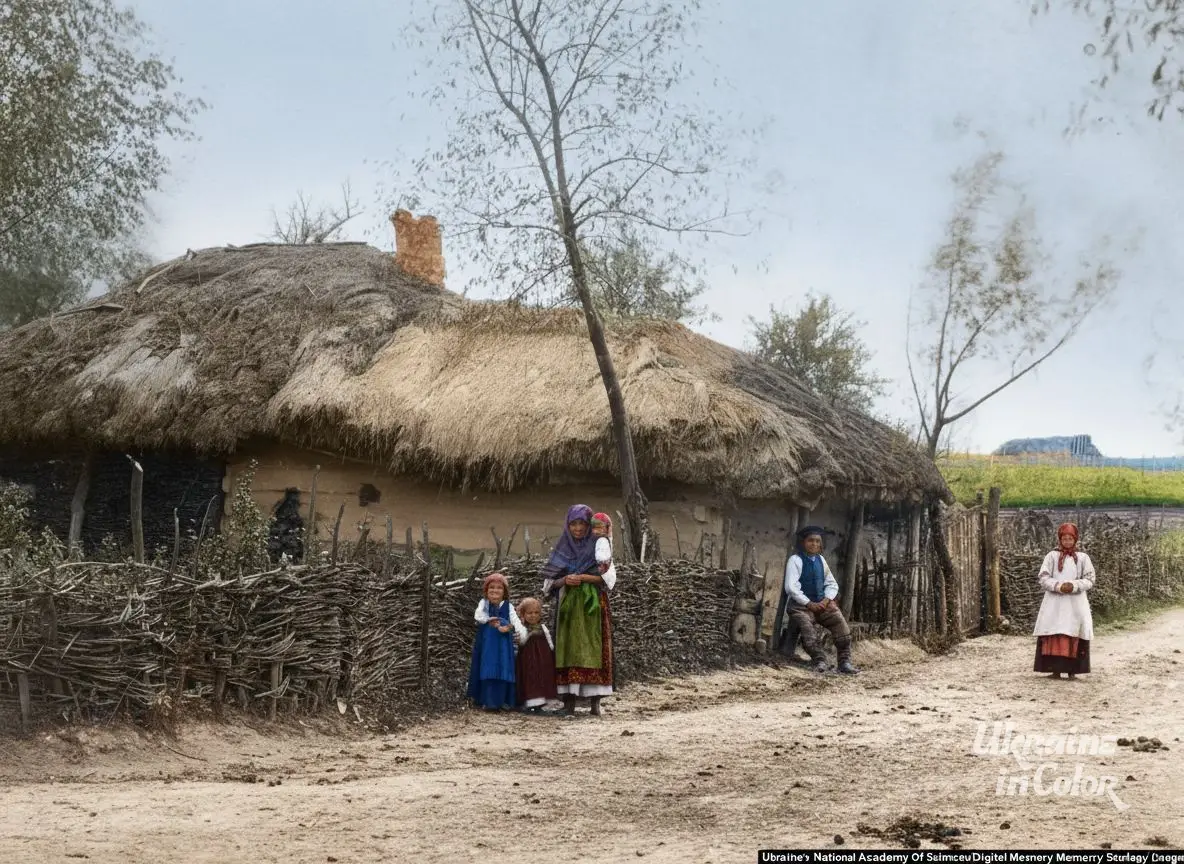
A village scene from Ukraine's Volyn region in 1909
A wedding ceremony is immortalized in a print found in Fedir Vovk's personal archive.
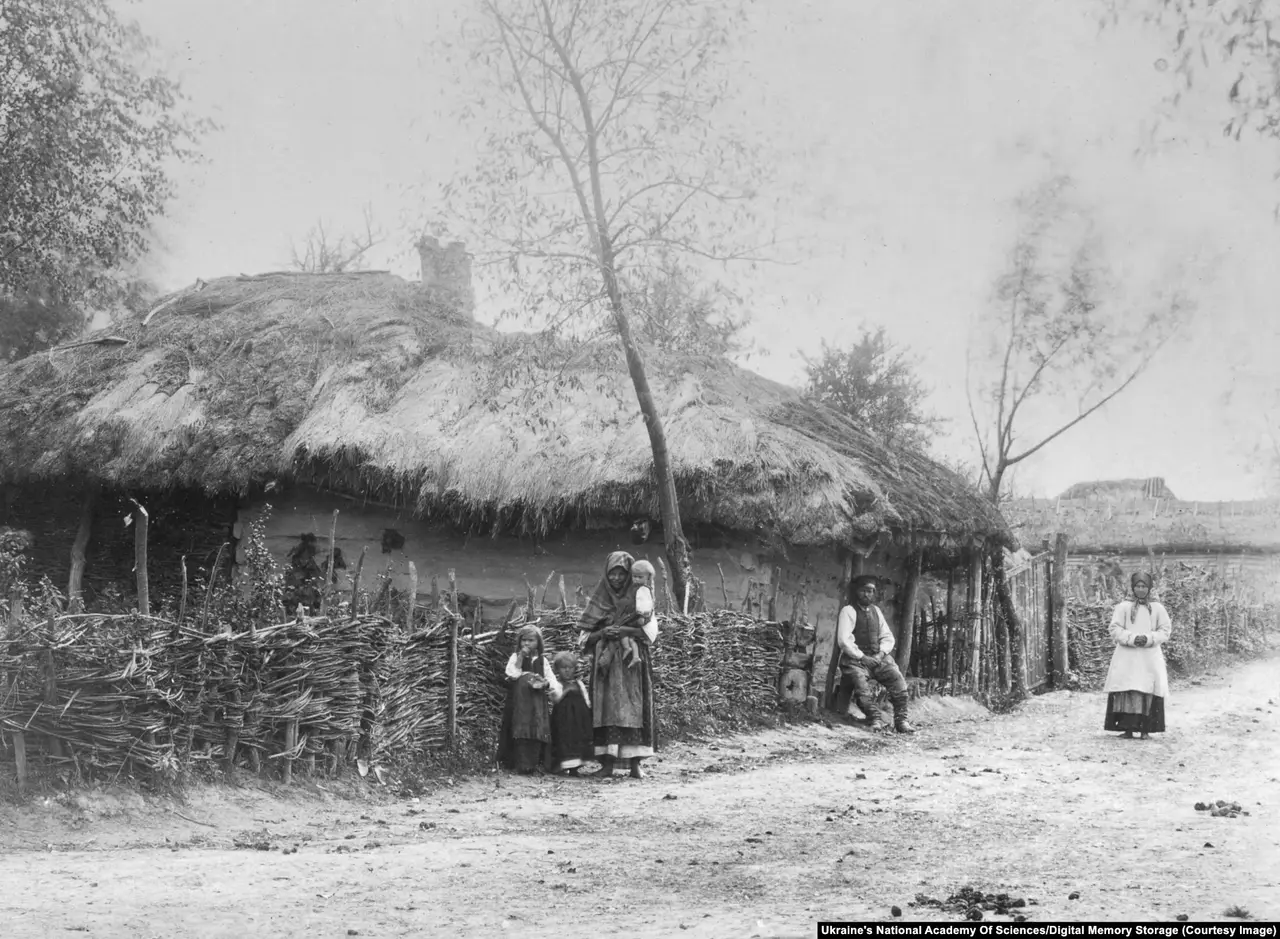
Ukrainian peasants in the Kyiv region in the late 1800s or early 1900s
Bridesmaid from the area of Gródek Jagielloński in Volhynia, Poland (now Horodok, Lviv Oblast, Ukraine). The woman is shown wearing a traditional Ukrainian floral crown, known as a vinok. Her attire also includes a multi-strand beaded necklace and a traditional garment.
The photograph is from a series and is dated between 1925 and 1939. The title of the work is "Druhna z okolic Gródka Jagiellońskiego na Wołyniu", which translates to "Bridesmaid from the area of Gródek Jagielloński in Volhynia".
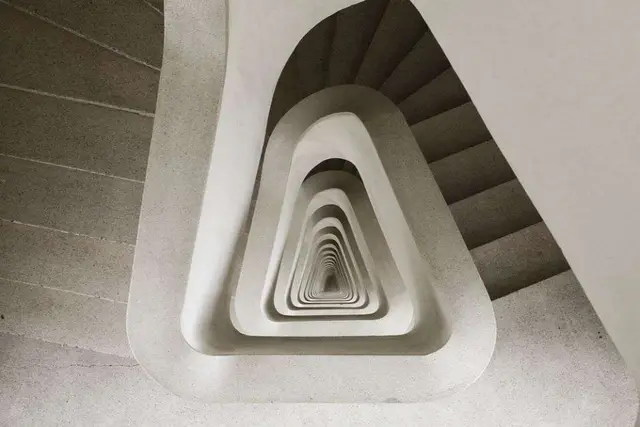
Сoncrete relief on the stairs in the interior of the "Dnipro" sanatorium (now known as Druzhba) in Yevpatoria, Crimea. The artwork was created by Ukrainian artist Ernest Kotkov in the early 1980s.
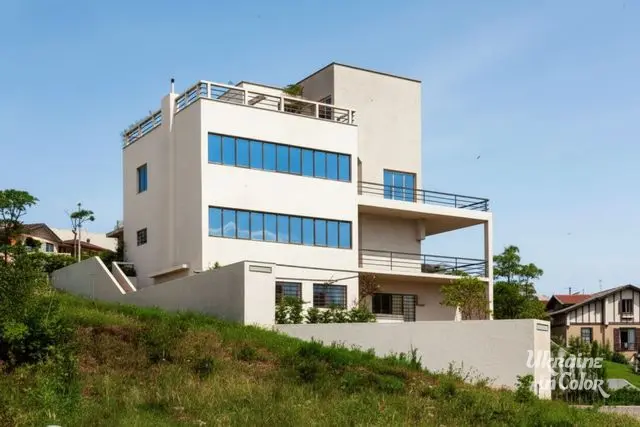
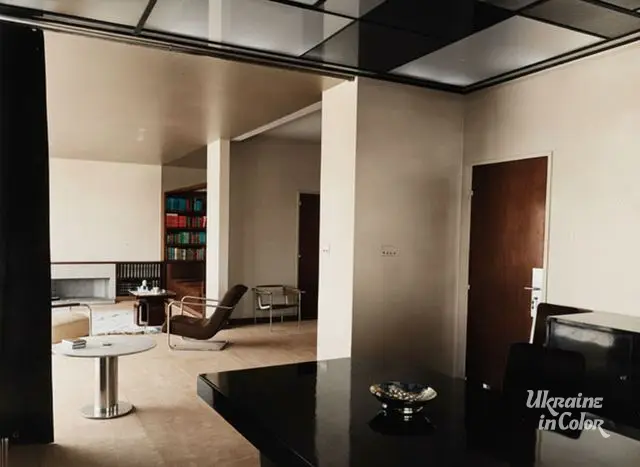
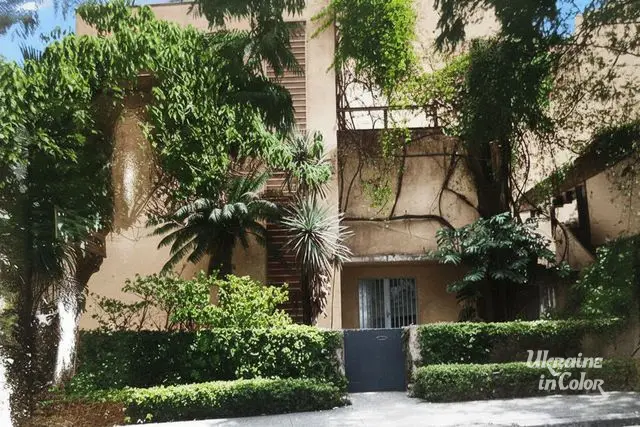
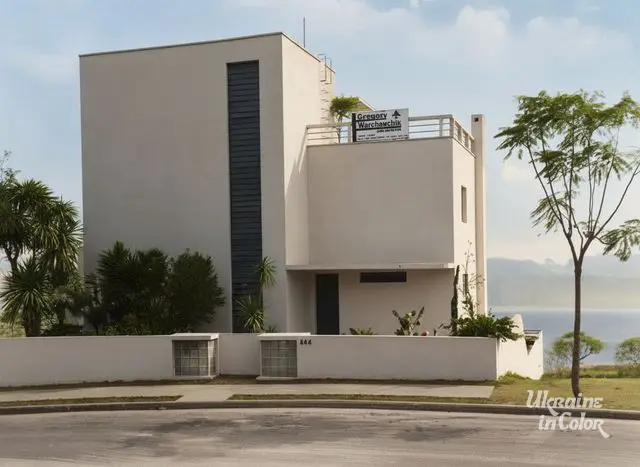
Pioneer of modern architecture in Brazil from Ukraine - Gregory WarchavchikGregori Warchavchik (1896-1972) was a Ukrainian-Brazilian architect who is considered a pioneer of modern architecture in Brazil. This black-and-white photograph shows him looking through a tiny camera on a tripod. In the 1920s and 1930s, Warchavchik was a prominent figure in the Brazilian modernist movement.
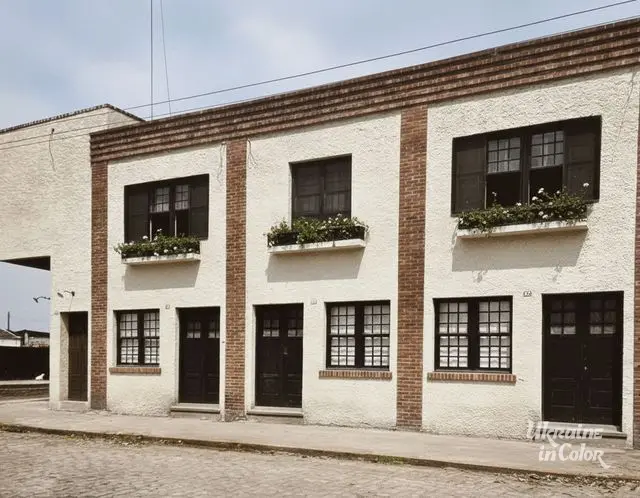
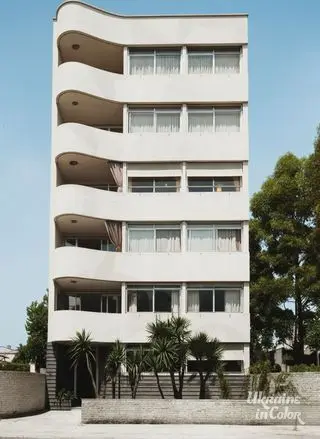
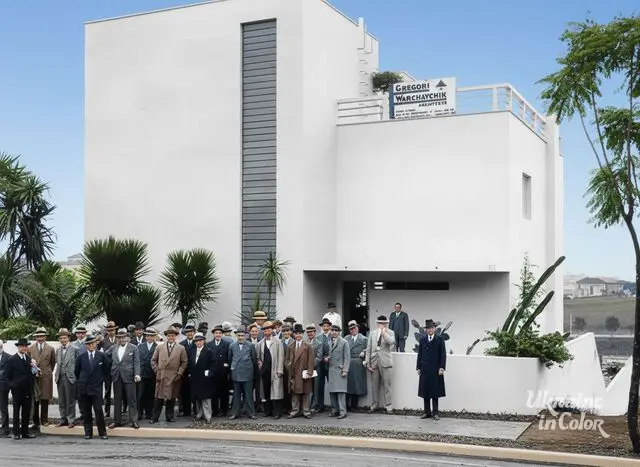
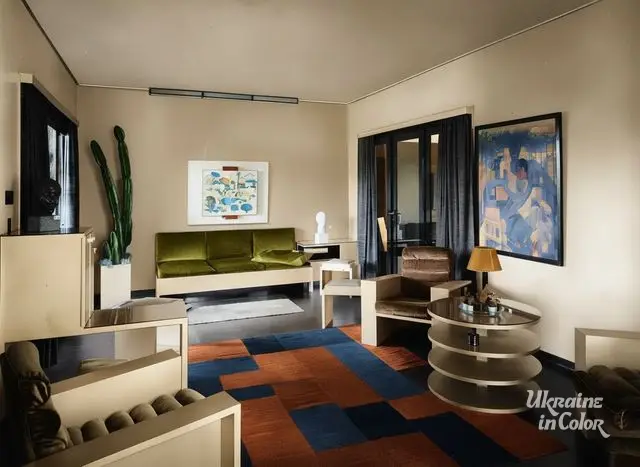
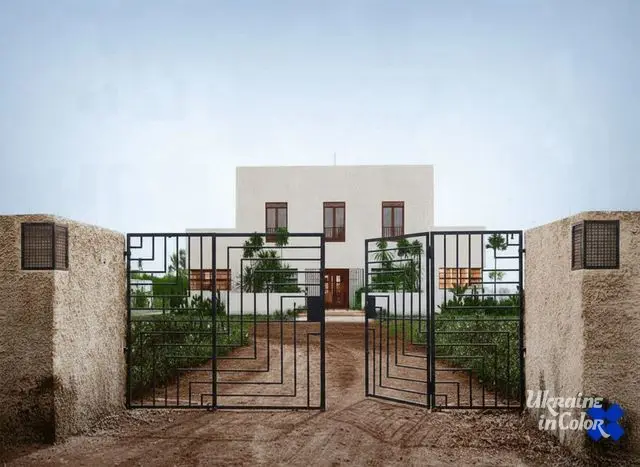
Edifício Barão de Limeira, designed by the Ukrainian-Brazilian architect Gregori Warchavchik in 1939The building is also known as Edifício Mina Klabin, named after Warchavchik's wife, Mina Klabin. Located in São Paulo, Brazil, the building is an example of Brazilian modernist architecture, which gained international recognition for its unique blend of European ideas with the local climate and a strong focus on innovative use of concrete. Warchavchik is considered a pioneer of modern architecture in Brazil, with his other notable works including the Casa da Rua Santa Cruz, considered the country's first modernist residence.
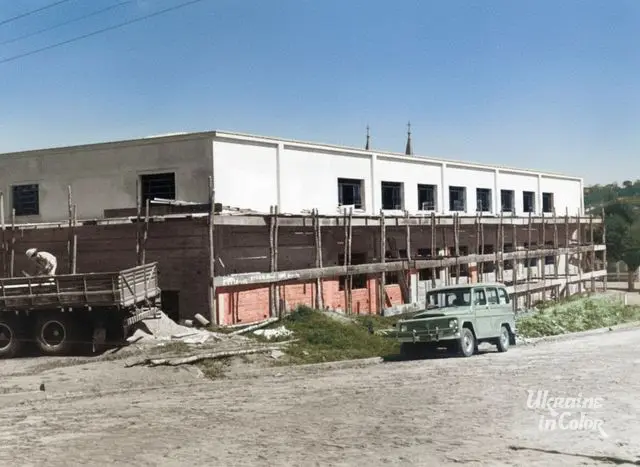
Szewczenko School (Shevchenko School). Vita. Canada. 1921. Oseredok
Views of Odessa. [Album]. View of the Pokrovsk Church and Aleksandrovsky Avenue. Mid-1850s.
Odesa. Boulevard. Monument to Duke Richelieu. Late 1870s.
Odesa. View taken from the small pier. 1850s.D’ap. nat. et lith. par F.Gross. Lith. de A. Braun à Odessa.
Odesa. Quarantine. Mid-1850s.
The competitive project presented by the Museum of Antiquities and Arts. The main facade.
Verkhovyna 1
Verkhovyna 12
Verkhovyna 11
Verkhovyna 6
Verkhovyna 5
Verkhovyna 4
Verkhovyna 3
Verkhovyna 2
Gazda from Verkhovyna
Villa Bashkirtseff in NiceFrom 1871 to 1877, the Bashkirtseff family villa in Nice served as a setting for Marie’s early ambitions. Here, surrounded by the social life she adored, Marie immersed herself in private studies, driven by her vision of fame. Today, Nice commemorates her with a dedicated street and a permanent display of her work in the Musée des Beaux-Arts.
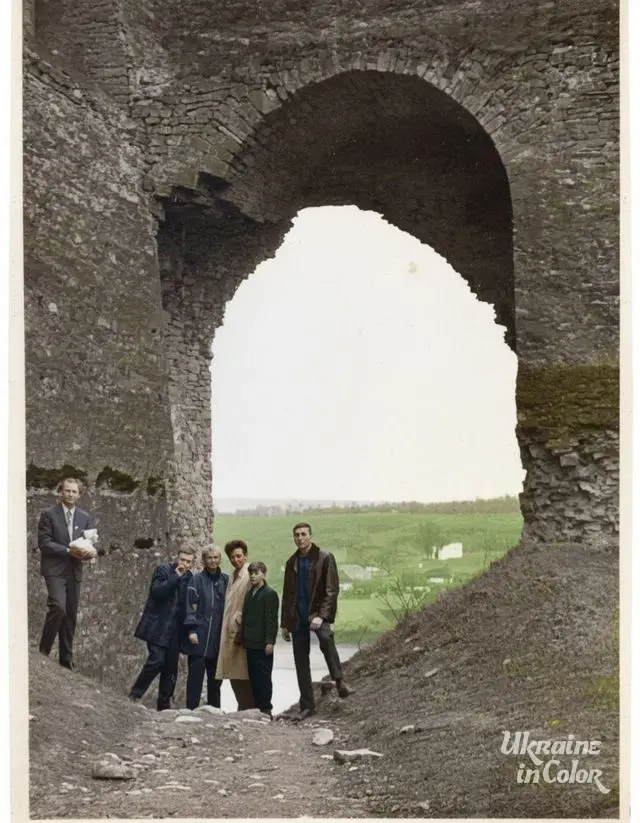
Castle of Tadeusz Hrabianka on Podilla, drawing from nature by Napoleon Leda