Українська
    Get early access
    Copyright© 2026
    Designed and built by Ukraine in Color team
    Follow for more:Instagram

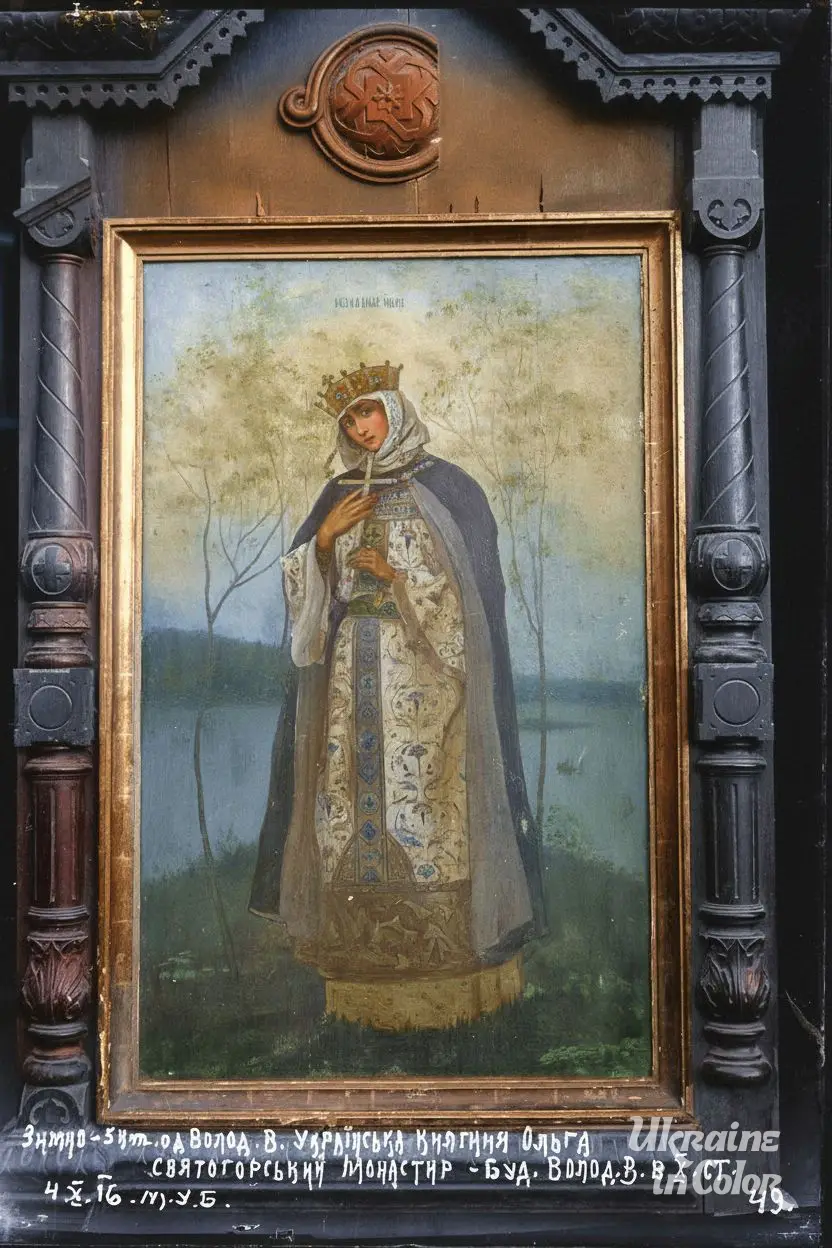
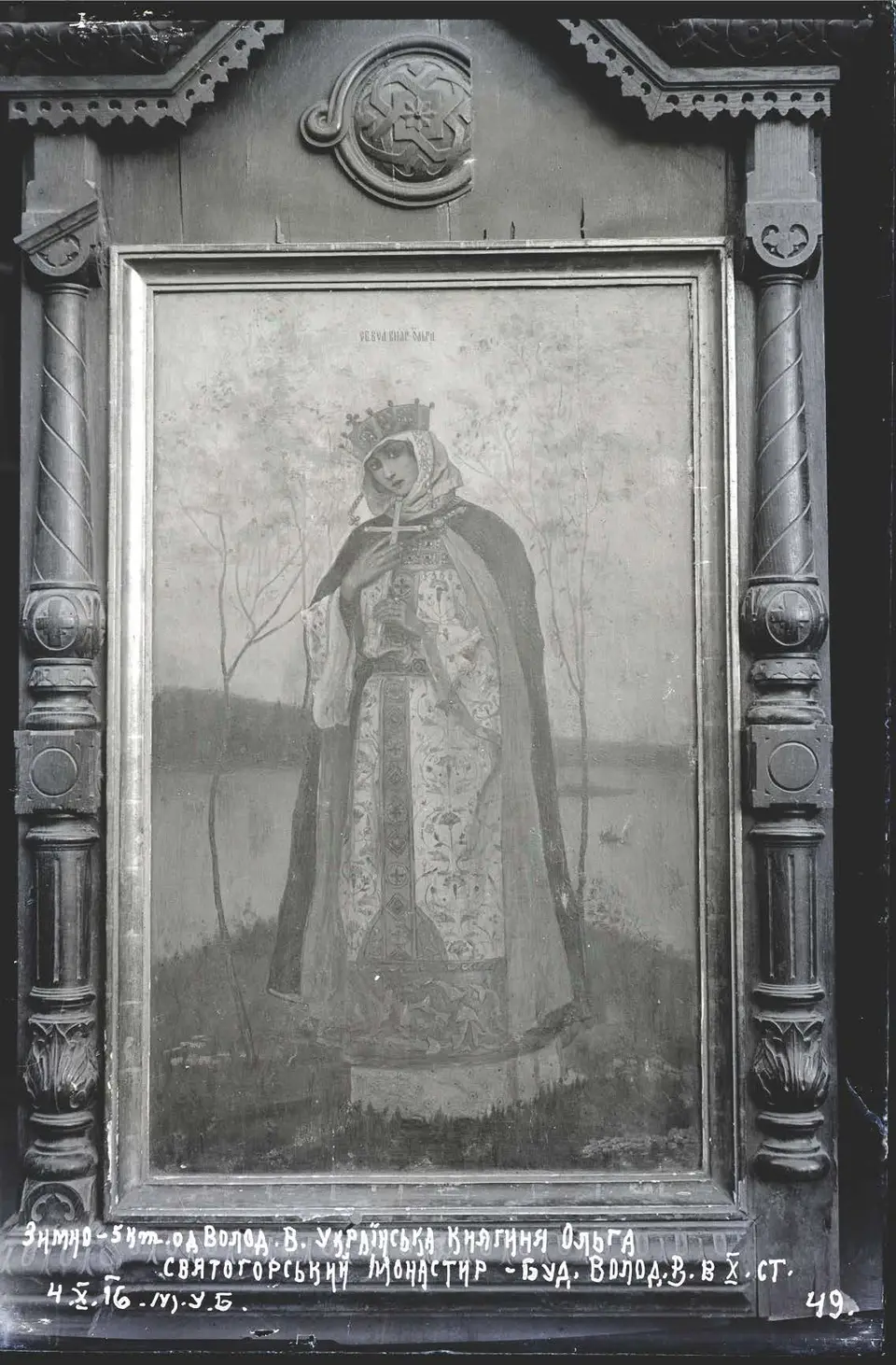
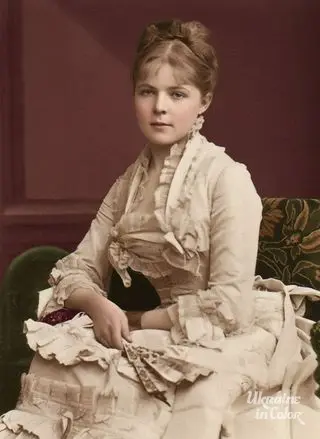
    Ukrainian Princess Olga

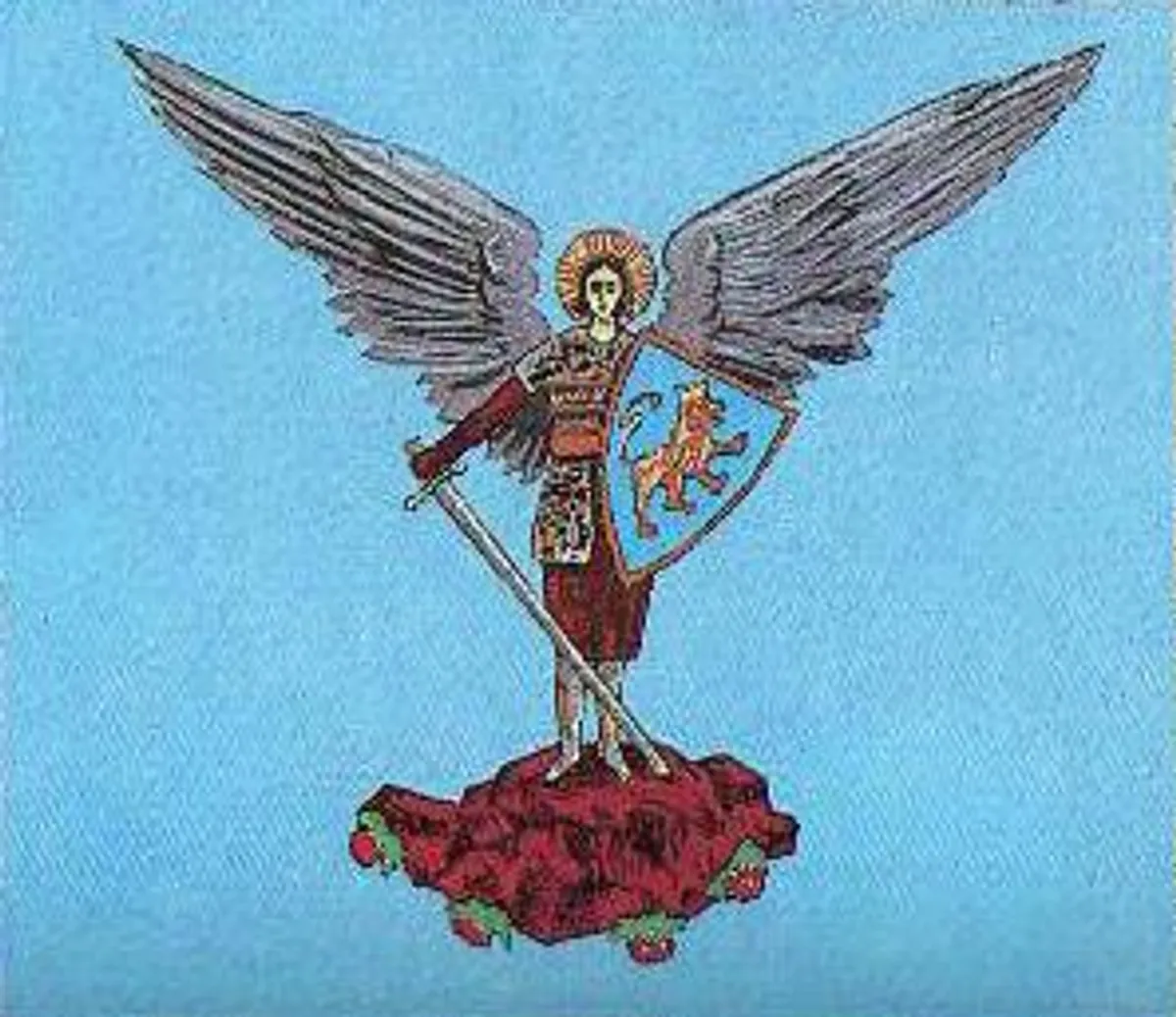
    Foundation "Ukrainian Sich Riflemen"
    Foundation "Ukrainian Sich Riflemen"
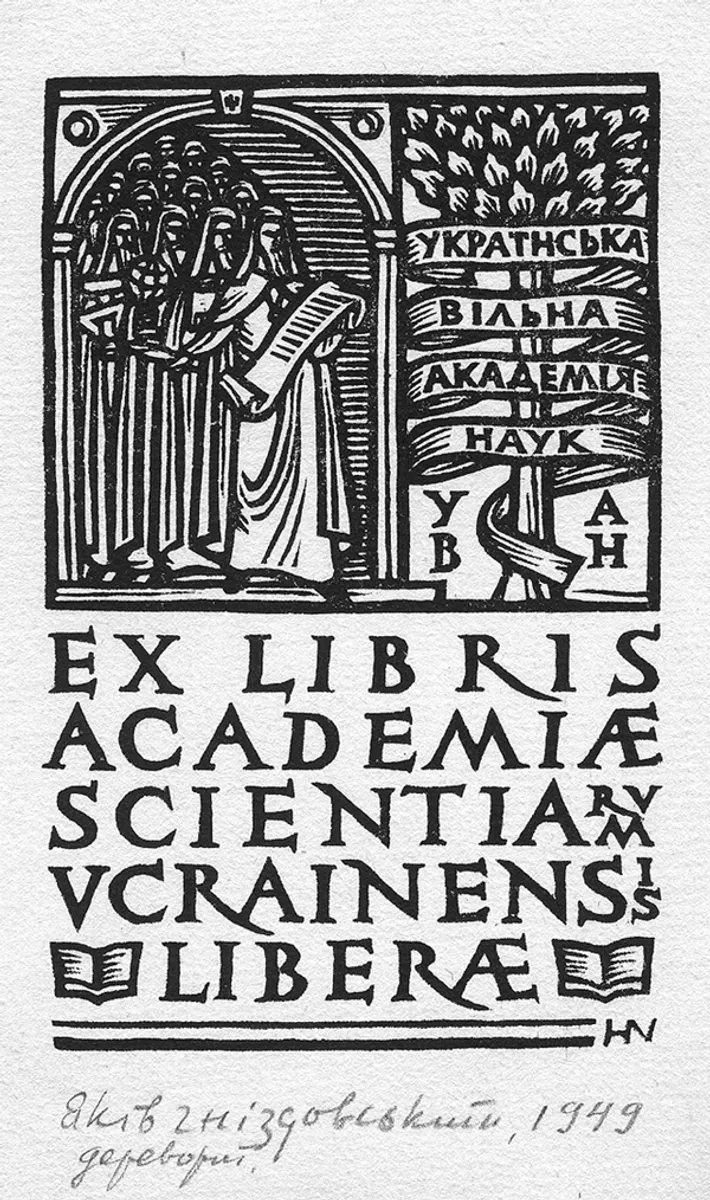
    Ukrainian Free Academy of Sciences in the USA
    Ukrainian Free Academy of Sciences in the USA
    The Ukrainian Museum and Library of Stamford (US)
    The Ukrainian Museum and Library of Stamford (US)
    Original: All rights reservedRestoration: All rights reserved
    Mykola Zakharovych Levchenko
    Mykola Zakharovych Levchenko
    Costume for the Rio Carnival, 1928
    Costume for the Rio Carnival, 1928
    Color prisms unknown
    Color prisms unknown
    Group of women, 1925
    Group of women, 1925
    Kaleidoscopic colours
    Kaleidoscopic colours
    T 152985 Sonia Delaunay Composition Orphique 1 Master
    T 152985 Sonia Delaunay Composition Orphique 1 Master
    Le Coin Des Arts Sonia Delaunay Rythmes Circulaires 1980ca
    Le Coin Des Arts Sonia Delaunay Rythmes Circulaires 1980ca
    SD 409 D10946 XBD Sonia Delaunay Solar Prism Collage
    SD 409 D10946 XBD Sonia Delaunay Solar Prism Collage
    Neptune in Cancer.
    Neptune in Cancer.
    Two Young Finnish Girls (1907)
    Two Young Finnish Girls (1907)
    1981.30 Simultaneous Dresses Three Women Forms Colors
    1981.30 Simultaneous Dresses Three Women Forms Colors
    SOnia Delaunay Robe Poem  1922
    SOnia Delaunay Robe Poem 1922
       Robe Po  Me No. 1328     Designed By Sonia Delaunay
    Robe Po Me No. 1328 Designed By Sonia Delaunay
    Paper+Collage
    Paper+Collage
    Sonia Delaunay "Infinite Rhythm" - a dedication to Robert Delaunay 1934-1956
    Sonia Delaunay "Infinite Rhythm" - a dedication to Robert Delaunay 1934-1956Sonia Delaunay “Infinite Rhythm – Dedication to Robert Delaunay” (1934-1956). Gouache stencil on parchment paper. Size: 27 x 19.50 cm (46 x 37 cm in frame). Photo: Galerie Modernes
    Exhibition poster, New York Cultural Center, April-May 1973
    Exhibition poster, New York Cultural Center, April-May 1973
    Lithography of colored discs based on Sonia Delaunay's motifs
    Lithography of colored discs based on Sonia Delaunay's motifs"Colored Discs", lithograph by Sonia Delaunay. Lithograph signed on the plate and numbered (No. 91/150), published by C & S, Luxembourg, circa 1975. Image size: 33 x 23 cm.
    Exhibition poster, Galerie De Varenne, Paris, 1969
    Exhibition poster, Galerie De Varenne, Paris, 1969"Sonia, Robert Delaunay and the Theatre", exhibition poster, Galerie Varennes, Paris, 1969. Published by Jacques Damas. Lithograph printed by Art Leto, Paris. The "Yellow Dancer" motif is based on the costume design for the play "Heart of Gas" by Tristan Tzara, staged in Paris in 1923. Photo: Galerie Modernes.
    Yellow nude portrait,
    Yellow nude portrait,
    La prose du Transsibérien et de la petite Jehanne de France (1913)
    La prose du Transsibérien et de la petite Jehanne de France (1913)
    Raising The Flag On Iwo Jima
    Raising The Flag On Iwo JimaMichael Strank is an American soldier of Ukrainian origin, a symbol of the US victory in World War II. He was born on November 10, 1919 in Oryabyn (Pryashiv region), emigrated to the United States in the 1920s; his father worked in the mines of Pennsylvania. After school (1937), he served in the Civilian Environmental Protection Corps, working on highways. In October 1939, he joined the Marine Corps; participated in battles on the Russell and Bougainville Islands (1942–1944). The commander of the detachment during the Battle of Iwo Jima landed on Iwo Jima on February 19, 1945 and raised a large flag on Mount Suribachi - a photo by Joe Rosenthal "Raising the Flag on Iwo Jima" became an icon of the war. By the end of March, three of the six, including Strank, were dead (March 1, 1945). Buried in Arlington; Marine Corps Memorial based on photo. Awards: Bronze Star (V), Purple Heart, Presidential Citation, Asiatic Pacific Campaign Medal. Played by Barry Pepper in the film Flags of Our Fathers. In Ukraine: mini-sculpture in Uzhgorod (2015), sculpture in the Museum of the Formation
    "Woe to the Liar" Scene from the play. Act V
    "Woe to the Liar" Scene from the play. Act V The premiere took place in Odessa on August 21, 1918, and the premiere in Kyiv was on December 12, 1918.
    Oleksandr Bogomazov
    Oleksandr Bogomazov
    Oleksandr Bogomazov. "Kyiv. Landscape". 1910‒1912
    Oleksandr Bogomazov. "Kyiv. Landscape". 1910‒1912
    Olexander Bohomazov. "Still Life. Bottles". 1915
    Olexander Bohomazov. "Still Life. Bottles". 1915
    Olexander Bohomazov. "City Landscape. Potter". 1927‒1928
    Olexander Bohomazov. "City Landscape. Potter". 1927‒1928
    Oleksandras Bohomazovas. „Peizažas. Geležinkelio sankasos šlaitas“. 1913‒1915
    Oleksandras Bohomazovas. „Peizažas. Geležinkelio sankasos šlaitas“. 1913‒1915
    Olexander Bohomazov. "Female Portrait". 1915
    Olexander Bohomazov. "Female Portrait". 1915
    Olexander Bohomazov. "Lake Saimaa". 1911
    Olexander Bohomazov. "Lake Saimaa". 1911
    Ukrainian Pavilion at the 1933 World's Fair in Chicago.
    Ukrainian Pavilion at the 1933 World's Fair in Chicago.
    Ukrainian archaeologist Borys Mozolevski with the Scythian Golden Pectoral, which he discovered in 1971.
    Ukrainian archaeologist Borys Mozolevski with the Scythian Golden Pectoral, which he discovered in 1971.The Golden Pectoral is a solid gold neckpiece from the 4th century BC. It was found in the Tovsta Mohyla, an ancient Scythian burial mound in southern Ukraine. The artifact is considered one of the most significant archaeological finds of the 20th century. Mozolevski's discovery is a rare example of artistry and influential discovery.
    Ukrainers Ambitions. New York Times article 1917
    Ukrainers Ambitions. New York Times article 1917“UKRAINERS’ AMBITIONS.” Special Cable to THE NEW YORK TIMES. May 27, 1917. “THE HAGUE, May 26.—The Vossische Zeitung of Berlin says: ‘The congress of Ukrainers at Kieff has especial importance owing to the assurance of Ambassador Gerard to the representative of the newspaper L’Ukraine that America will assist the efforts of the 40,000,000 Ukrainers to achieve autonomy.’
    Portrait of the American sculptor Louise Nevelson, taken by the celebrated fashion and portrait photographer Richard Avedon. The image was captured in New York in 1975.
    Portrait of the American sculptor Louise Nevelson, taken by the celebrated fashion and portrait photographer Richard Avedon. The image was captured in New York in 1975.
    Band New Order performing live in New York in 1981 at the Ukrainian National Home
    Band New Order performing live in New York in 1981 at the Ukrainian National HomeA New Beginning: This performance was part of New Order’s first U.S. tour, staged a little over a year after Joy Division singer Ian Curtis’s death. It marked a crucial step in the band’s transition and the beginning of their effort to define an identity separate from their previous group. Musical Evolution: On this tour, New Order moved beyond Joy Division’s post‑punk austerity, embracing synthesizers and propulsive rhythms. In New York they unveiled an early, unreleased ten‑minute version of Temptation, drawing rave reviews and cementing their reputation at the forefront of post‑punk. Video Recording: The show—performed in 1981 in New York City—was filmed by Michael Shamberg and later released on VHS as Taras Shevchenko, capturing the band in a raw, transitional phase and becoming a vital document of their early career. The Ukrainian National Home’s name—and the portrait of poet Taras Shevchenko hanging behind the stage—were prominently displayed, underscoring the venue’s cultural co
    Tatar Children's School
    Tatar Children's School
    Snake Island by Carlo Bossoli.
    Snake Island by Carlo Bossoli.The painting depicts a stormy sea with a ship, possibly HMS Victory, and a smaller vessel near an island. The island, historically known as the "Island of Achilles," is located in the Black Sea. The painting is a public domain work of art.
    General View of Sevastopol
    General View of SevastopolCarlo Bossoli was an Italian-Swiss artist known for his detailed landscapes and battle scenes. The work depicts the city and harbor of Sevastopol, a strategic Black Sea port. Bossoli created a series of lithographs based on his travels through Crimea in the 1840s. The image captures Sevastopol shortly after the Crimean War, which concluded in 1856, and shows the destruction from the siege that lasted from October 1854 to September 1855.
    Bakhchysarai, the former capital of the Crimean Khanate
    Bakhchysarai, the former capital of the Crimean KhanateThe painting depicts the Bakhchysarai Palace (also known as Khan's Palace or Hansaray), a 16th-century architectural complex that served as the residence of a succession of Crimean Khans. Built in 1532 by Sahib I Giray, it is considered the only preserved example of Crimean Tatar palace architecture in the world. The palace complex was built with a blend of Ottoman, Persian, and Italian architectural styles. It originally included a mosque, a harem, a cemetery, living quarters, and gardens. The palace's famous "Fountain of Tears" was the subject of a narrative poem by Russian writer Alexander Pushkin.
    A Tartar House in the Village of Alupka
    A Tartar House in the Village of AlupkaThe Crimean Tatar people have a rich cultural history, with their architecture showing influences from Islamic and Turkic motifs. The most prominent example is the Bakhchysarai Palace, the former capital of the Crimean Khanate. This palace, which served as a political and cultural center, is the world's only preserved example of Crimean Tatar palace architecture. After the so called "russian federation" annexation of Crimea and the subsequent deportations in 1944, much of the Crimean Tatar cultural heritage was destroyed. However, artists and activists have been working to revive and preserve Crimean Tatar arts and traditions.
    The interior of the "Tomb of Mithridates, near the Lazaretto of Kerch" renamed as "Royal Kurgan" by you know who, a monumental burial mound located in Kerch, Crimea
    The interior of the "Tomb of Mithridates, near the Lazaretto of Kerch" renamed as "Royal Kurgan" by you know who, a monumental burial mound located in Kerch, CrimeaThe engraving is titled "Tomb of Mithridates, near the Lazaretto of Kerch", reflecting the historical and archaeological context of the time it was created. It's a lithograph, a type of printmaking, rather than a painting.