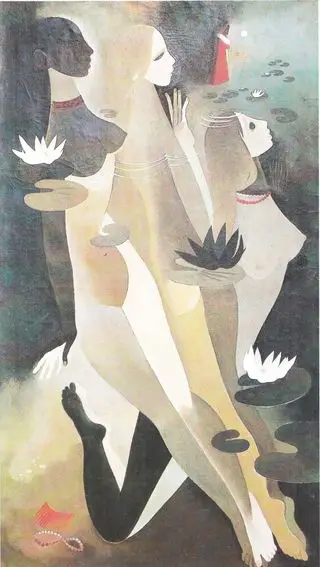
Water-NymphsHalyna Mazepa's first year in Venezuela. She painted these Ukrainian water-nymphs in Caracas, ten thousand kilometres from the river they came out of.
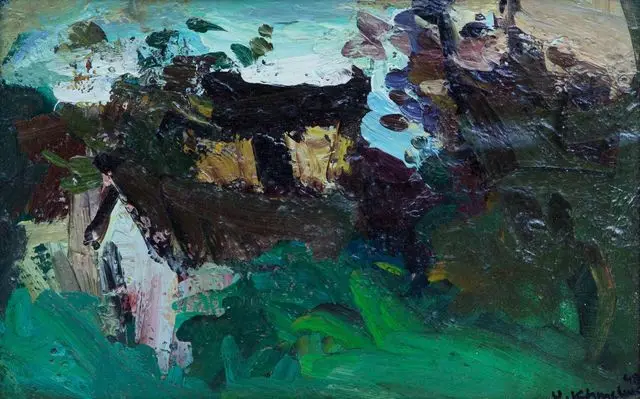
The FortressLate Khmeliuk — the bright contrasting colour he used for flowers and for stone alike.
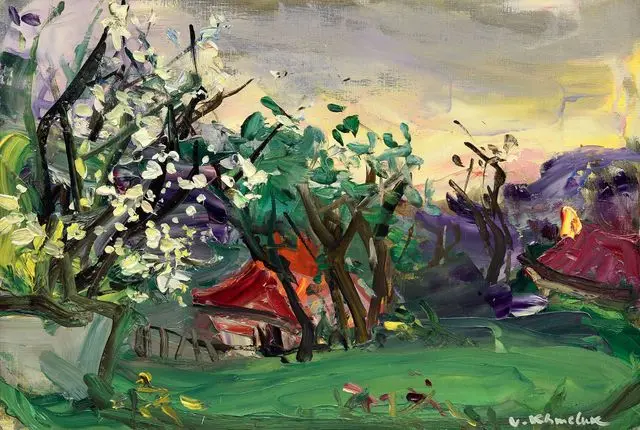
Landscape at TaversThe original title is Paysage à Tavers. Tavers is a small town on the Loire.
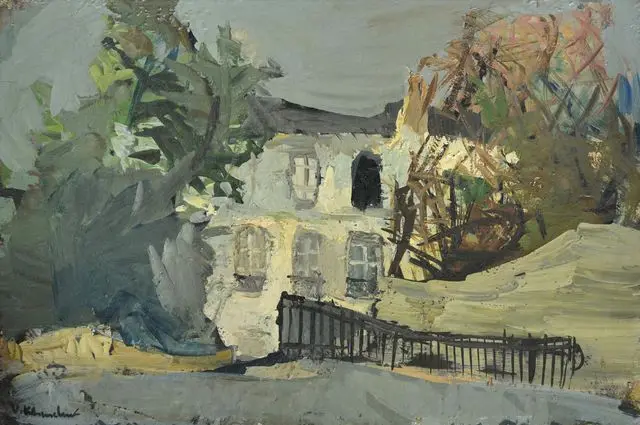
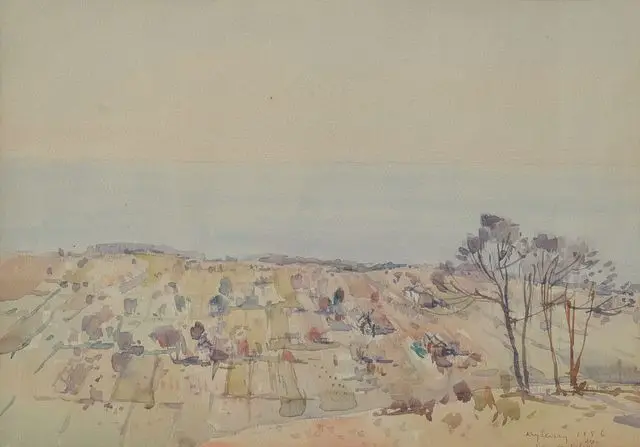
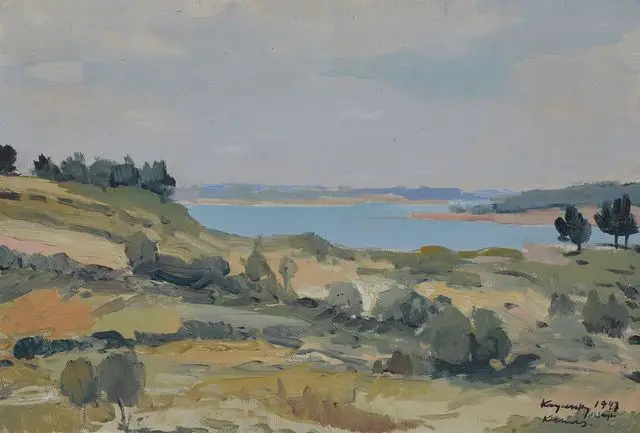
LandscapePost-war Paris. By then Khmeliuk had been living in France for twenty years.
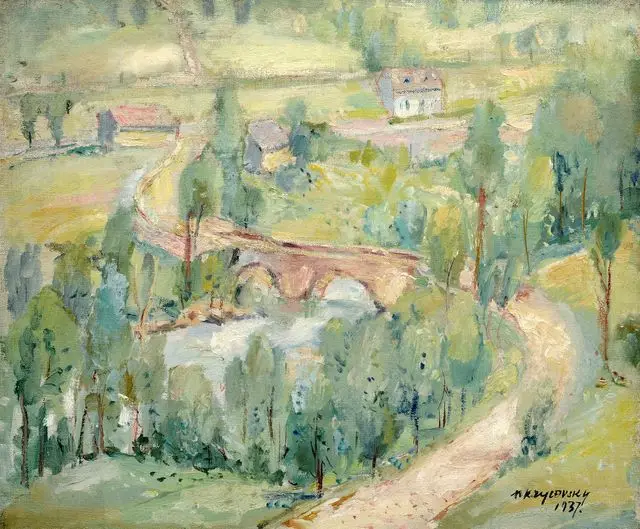
ChateauThe French provinces seen by a man who arrived here from the Ukrainian war of independence of 1917–1920.
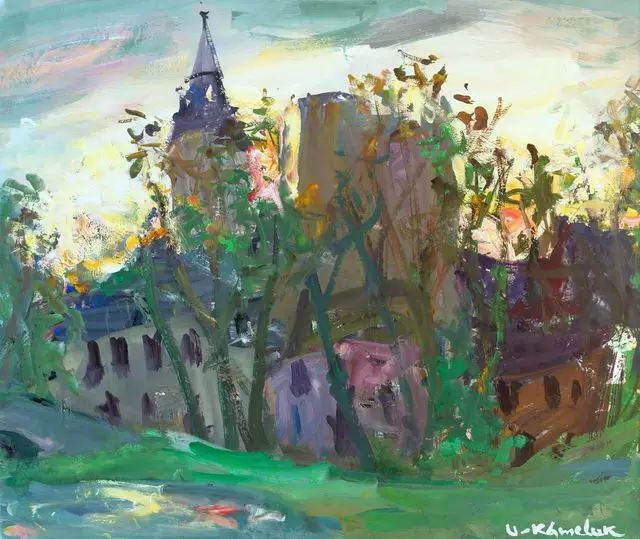
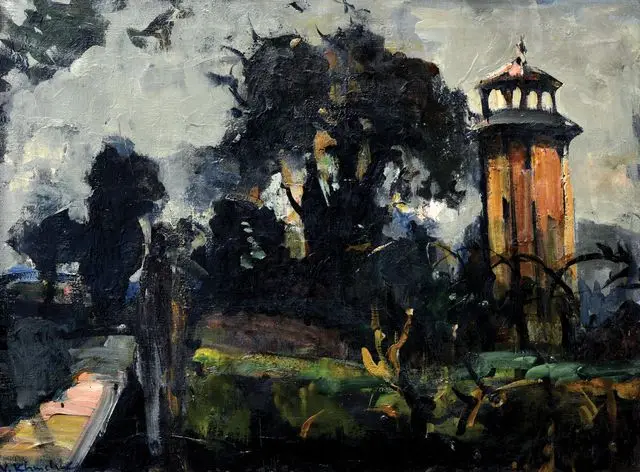
Landscape with a TowerKhmeliuk's first Parisian decade. In 1932 he held a solo exhibition at the «Young Europe» gallery.
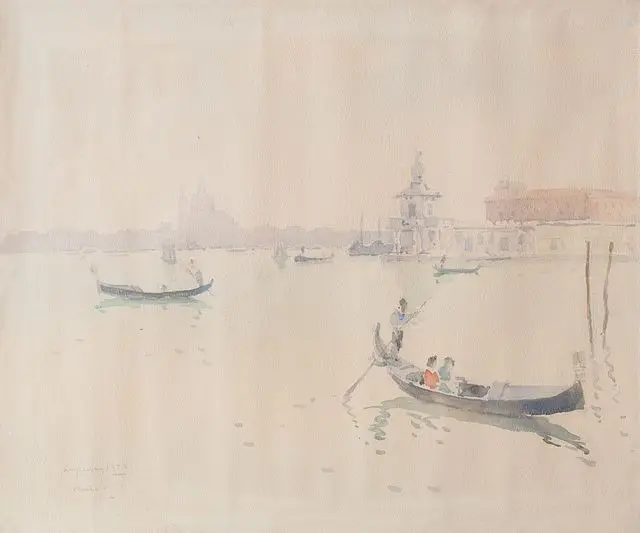
VeniceThree years before his death. Krychevsky died in Paris in 1961, having never returned to Ukraine.
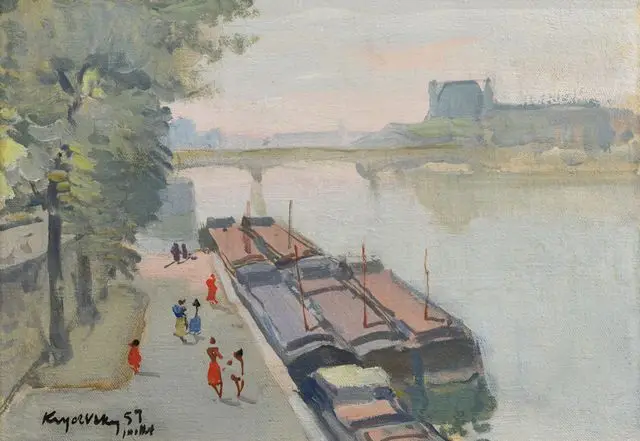
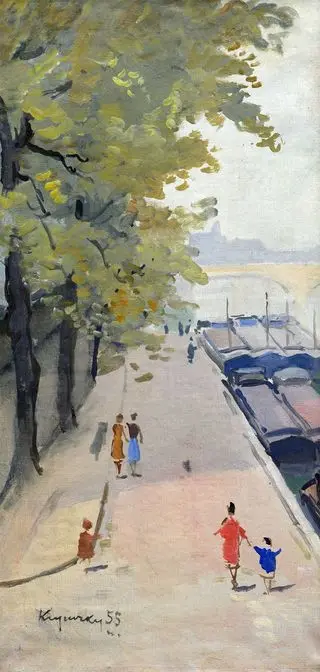
The Seine Embankment. ParisAfter America he came back to the same water he had painted twenty-one years earlier.
Canada, OntarioThe same transatlantic journey. Canada was then home to one of the largest Ukrainian communities in the world.
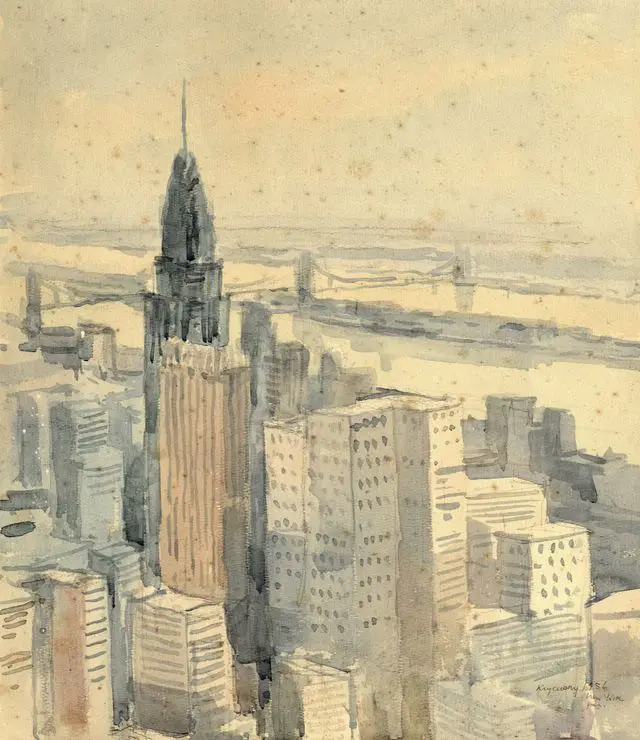
New YorkAt fifty-eight Krychevsky crossed the ocean for the first time. In the same year he also painted Canada.
The EmbankmentWater and a quayside — the subject Krychevsky returned to all his life, from Paris to Venice.
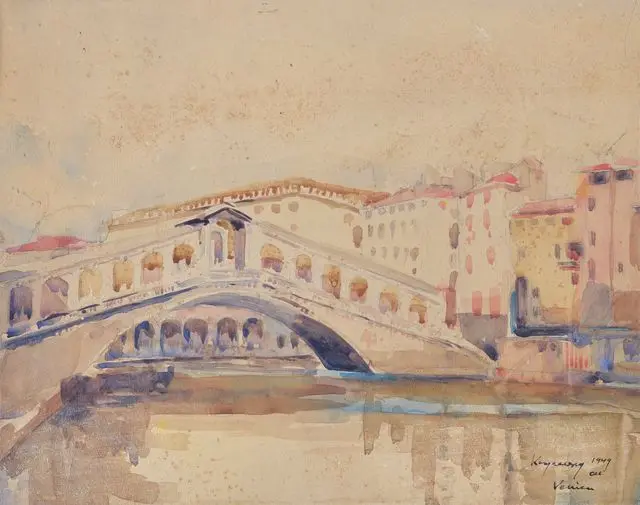
Venice. The Rialto BridgeVenice was Krychevsky's second city after Paris. He returned to it again in 1956, and in 1958.
Brittany. FranceThe first years after the war — the point at which the Ukrainian emigration understood for good that there would be no going back.
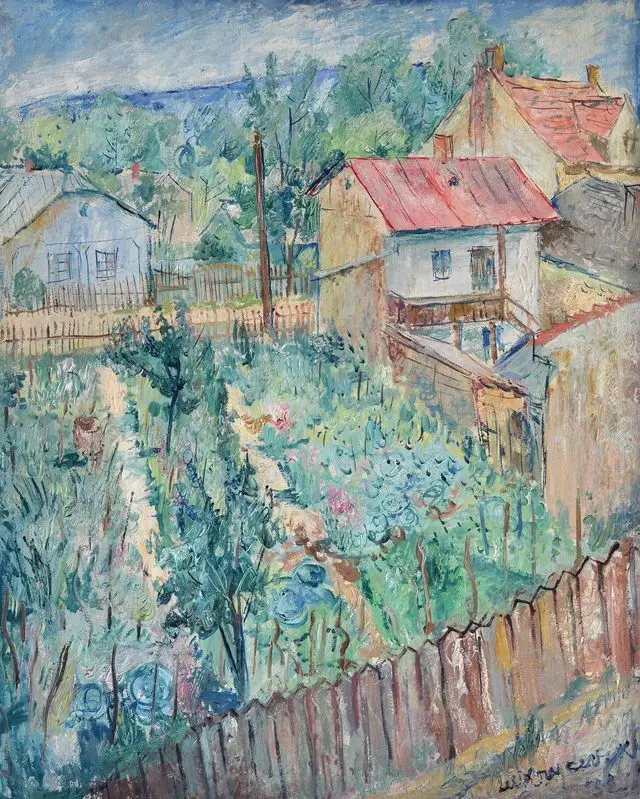
The Outskirts of ParisNot the tourists' Paris but its edges — what a person who lives there sees, rather than one who is visiting.
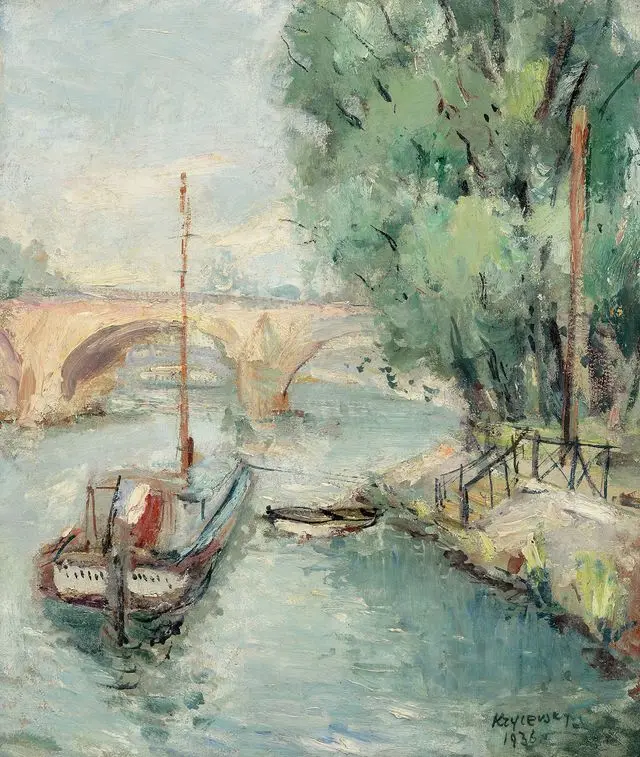
The Seine Embankment. ParisThe Seine would be Krychevsky's principal subject for twenty-five years; he painted it in any weather.
A Courtyard in ProvenceKrychevsky's third year in Paris. The south of France would become one of the standing routes of his life.
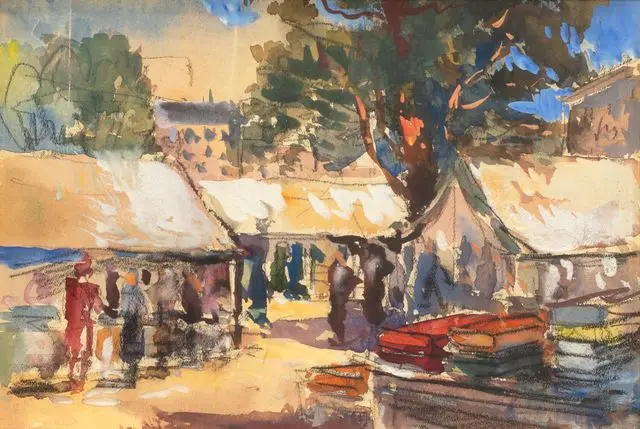
Bazaar in UzhhorodThe last Ukrainian town in Mykola Krychevsky's life. In July 1923 he left for Prague; from 1929 he lived in Paris and never returned.
Lina Kostenko
Yaroslava Music. 1965. Central State Library of the Russian Academy of Sciences of Ukraine, f. 251, op. 1, unit. collection 20, sheet 3.
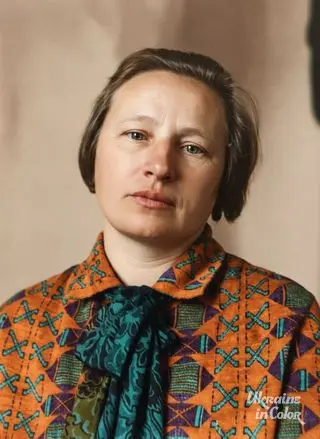
Yaroslava Lvivna Music
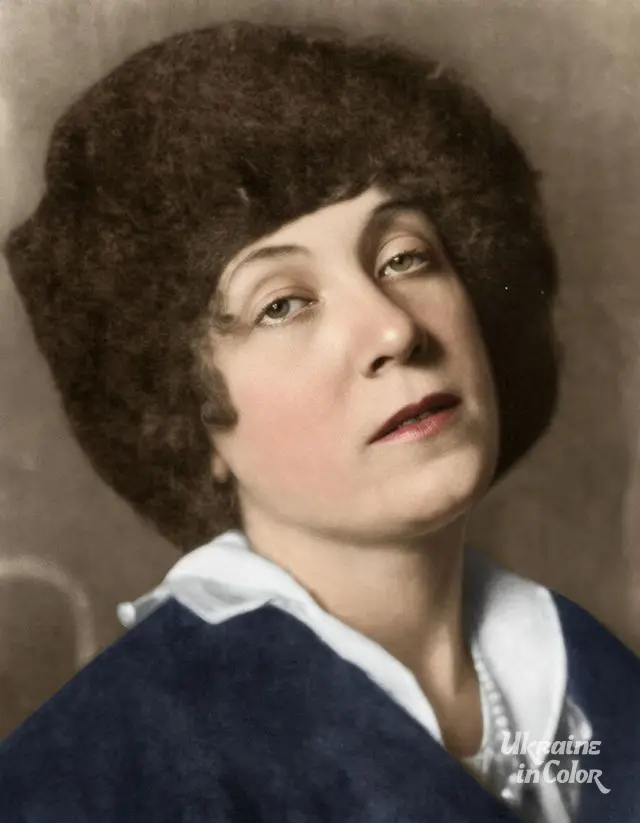
Sofia Nalepinska–Boychuk
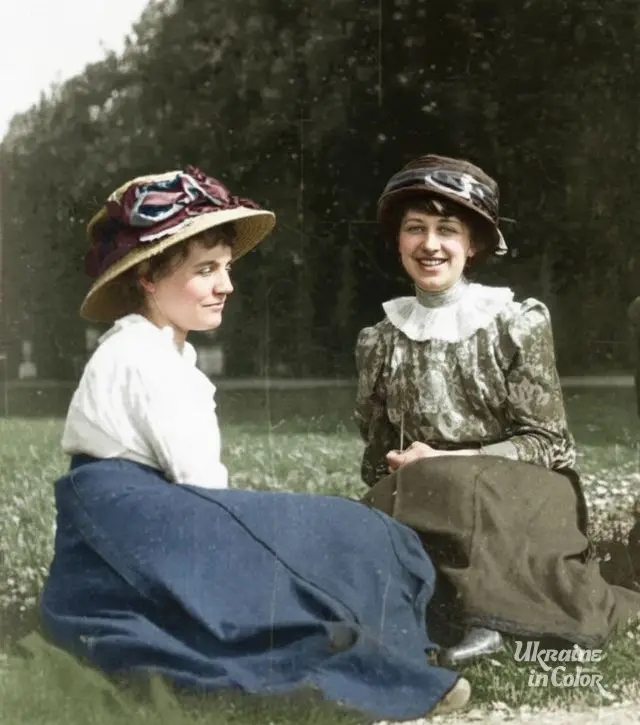
Sophia Baudouin de Courtenay and Sophia Nalepinska
Ivanova Antonina Nikolaevna
Oksana Pavlenko
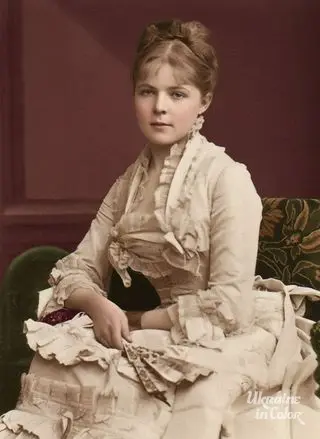
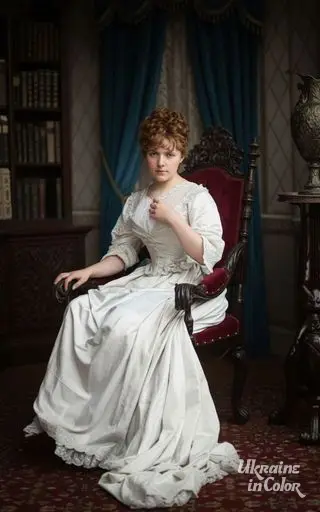
Portret Marie Bashkirtseff
Marie Bashkirtseff on a chair
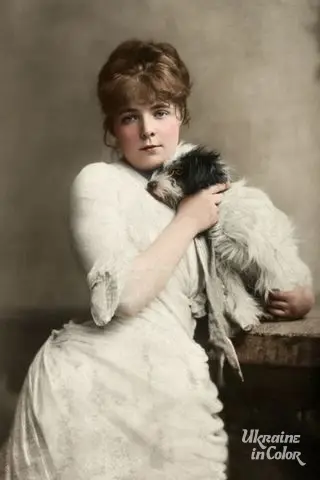
Portrait of Mariebashkirtsef with a puppy
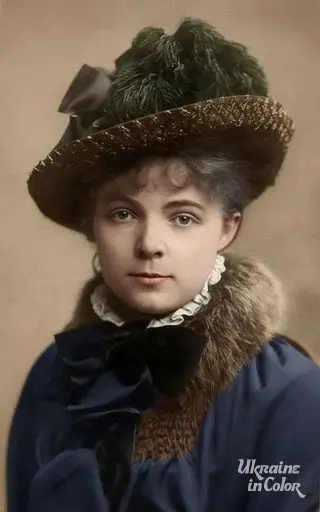
Mariya Bashkirczeva in a hat
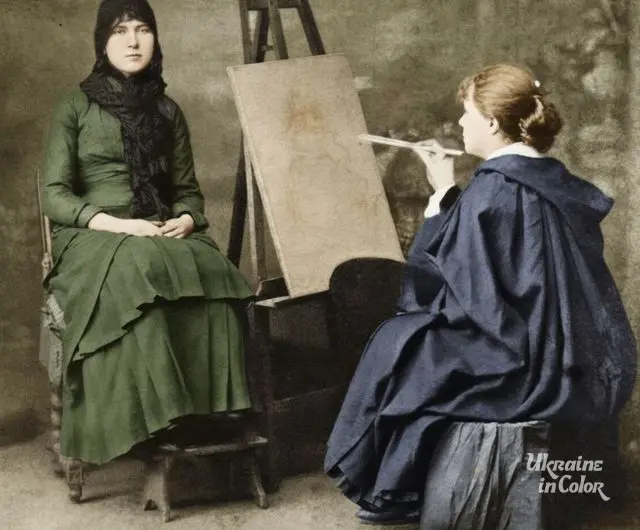
Maria Bashkyrtseva paints a portrait in the studio
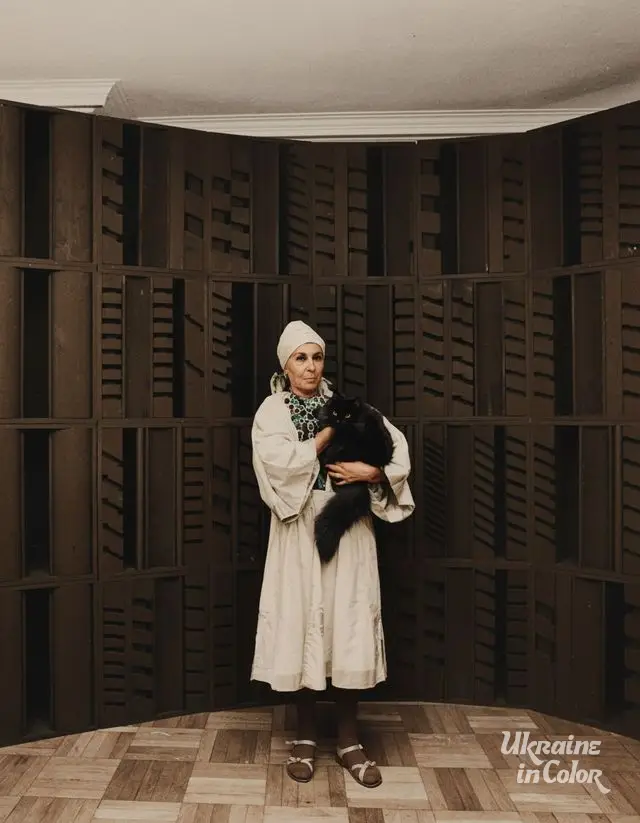
Louise Nevelson, "Sky Cathedral," 1957. Painted wood, 57 x 149 x 16 inches. San José Museum of Art. Gift of Beverly and Peter Lipman, 2010.16. Photo by Douglas SandbergIn the 1950s, Louise Nevelson pushed unorthodox use of material and form to include light and shadow in the creation of large-scale sculptural environments in “a search for continuity between beings, things, and spaces.” At that time, the artist also developed a flamboyant and grandiose persona—jet-black eyelash extensions, colorful coats, and bold jewelry—that reflected the enigma and complexity of her sculptures.
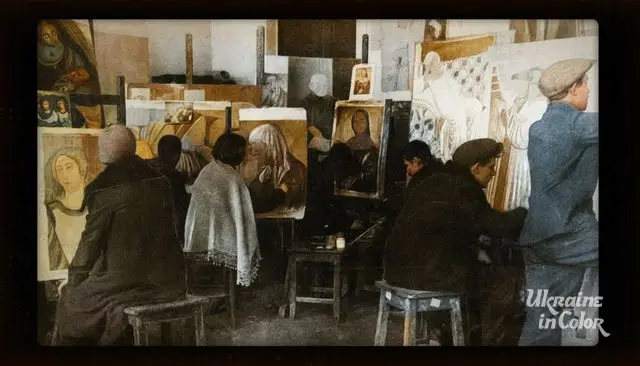
Boychukists studying in the workshop
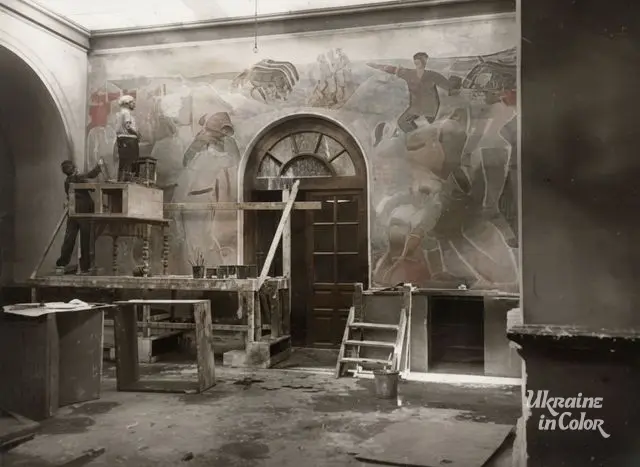
Work On A Wall Painting In The Club Of Katarzhyn Village Near Odesa
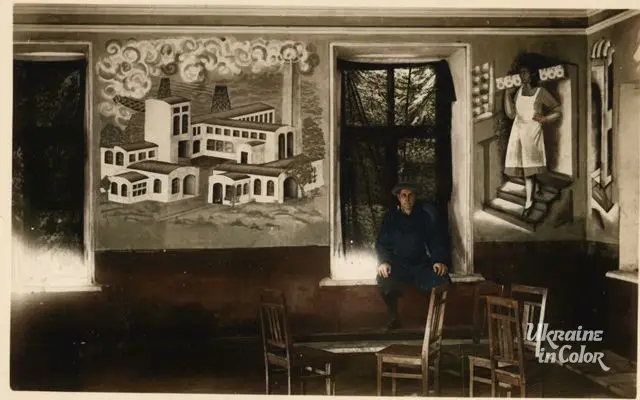
Ukrainian art at the Mezhyhirya Ceramic School Club. Portrait of an Unknown
Boychuk in a workshop in an apartment in Lviv
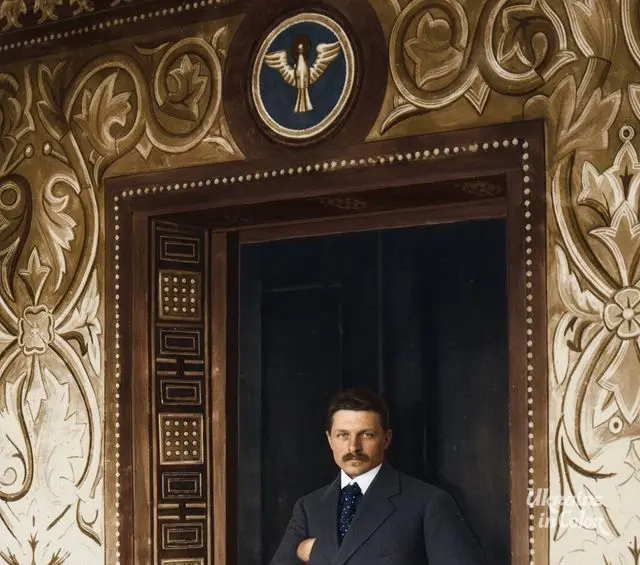
Boychuk against the backdrop of the murals at the entrance to the chapel of the Jacobite Bursa in Lviv
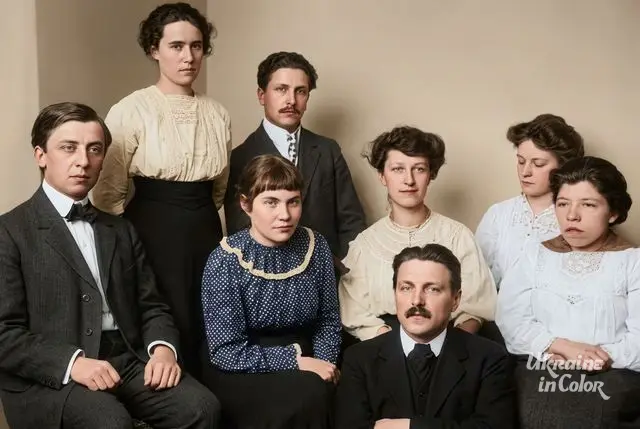
Group “Renovation Byzantine” of the first waveThe “Renovation Bizantine” group of the first draft – Mykhailo Boychuk (sitting below, in the center); together with the master – Helene Schramm, Mykola Kasperovich, T. Nalepinsky, Sophia Baudouin-de-Courtenay, future wife Sophia Nalepinska, Sophia Segnot, Yanina Levakovska; Paris, 1910
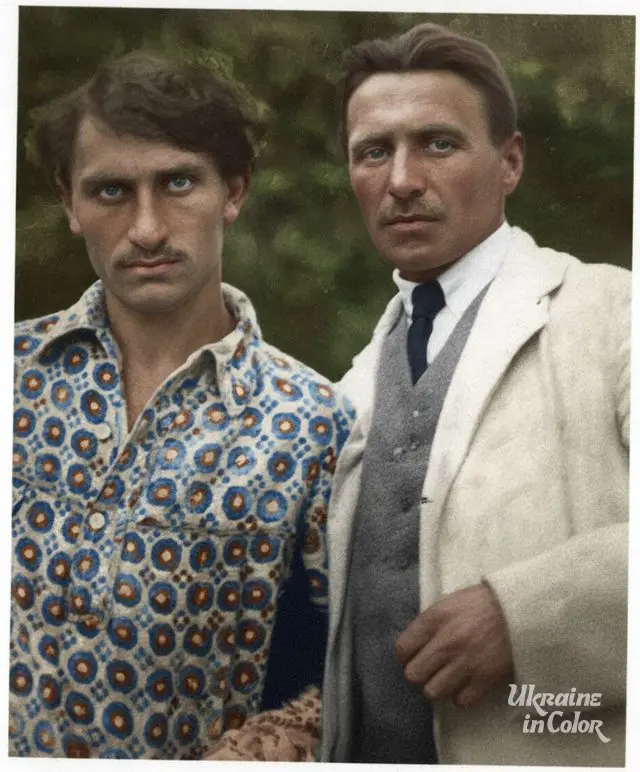
Mykhailo Boychuk and Vasyl Sedlyar
Boychukists of the Boychuk School in Kyiv
Sofia Nalepinska-BoychukUkrainian graphic artist, one of the key figures of Boychukism and a representative of the Shot Revival.