Українська
    Get early access
    Copyright© 2025
    Designed and built by Ukraine in Color team
    Follow for more:Instagram

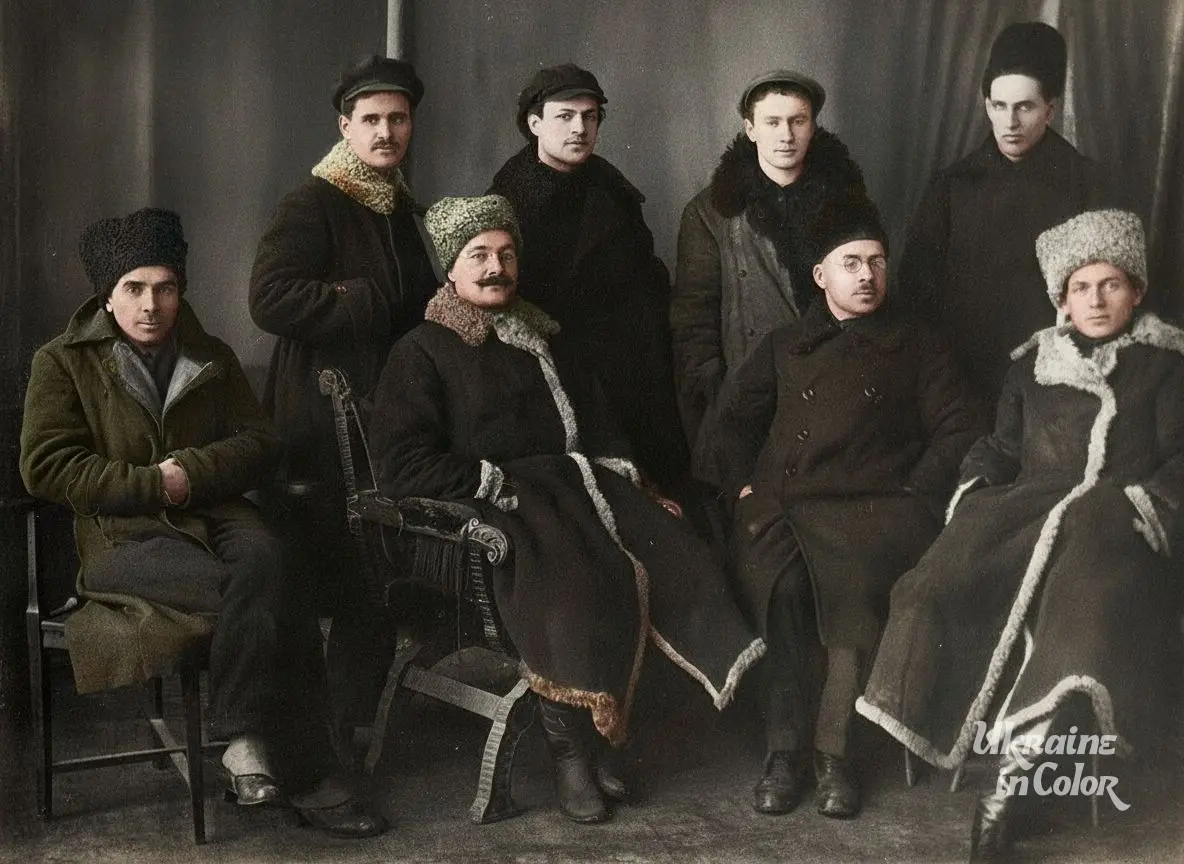
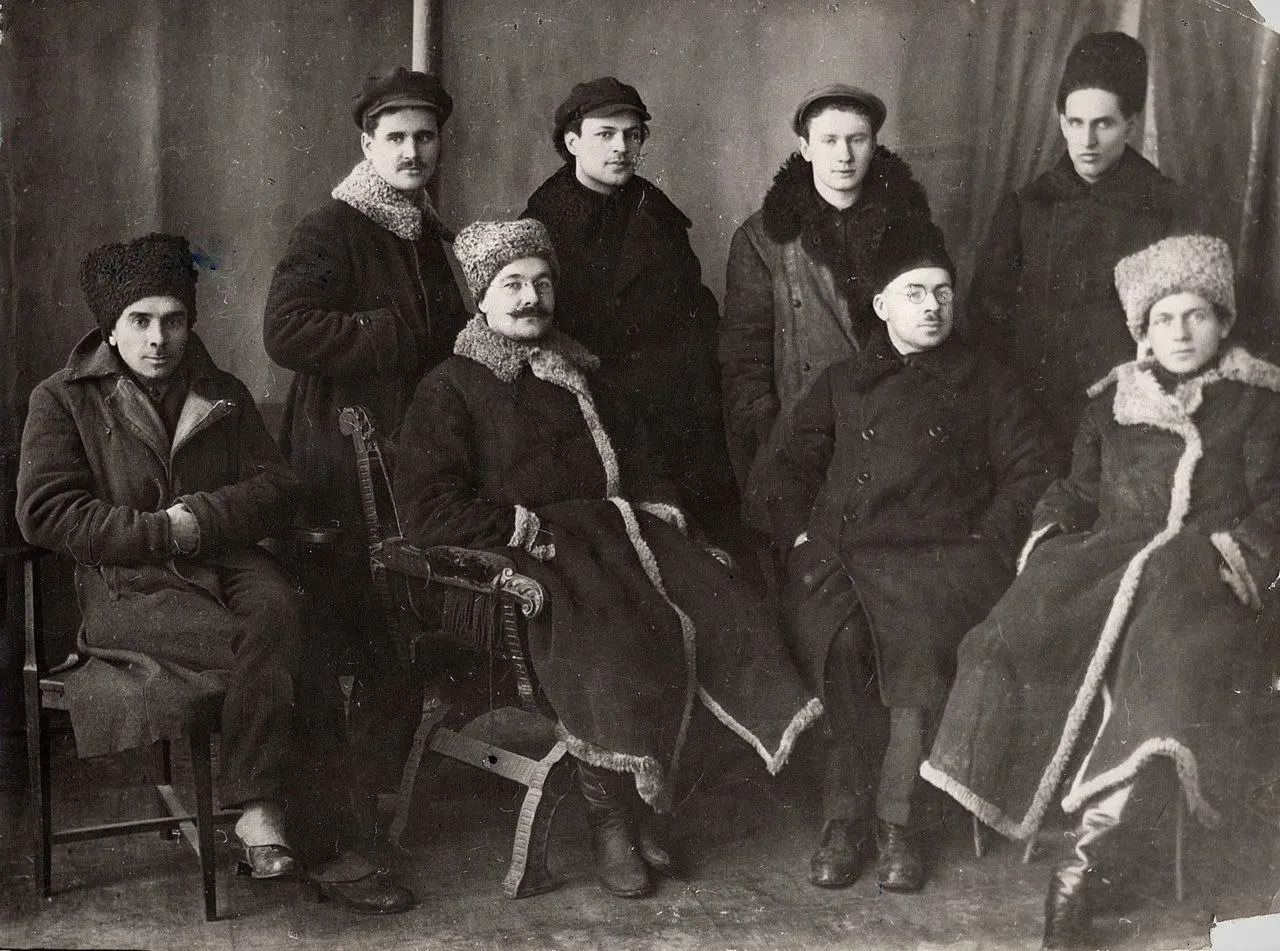
    Delegates to the First All-Union Conference of the Association of Proletarian Writers of the USSR, representatives of Ukraine and Belarus.

    From left to right, sitting: Mykola Khvylovy, Serhiy Pylypenko, Tsishka Gartny, Adam Babareka. Standing: Grigory Epik, Mikhas Charot, Anatol Volny, Mykola Hristovy. Moscow All executed before 1937, Khvylovy - committed suicide.

    Original: All rights reservedRestoration: All rights reserved
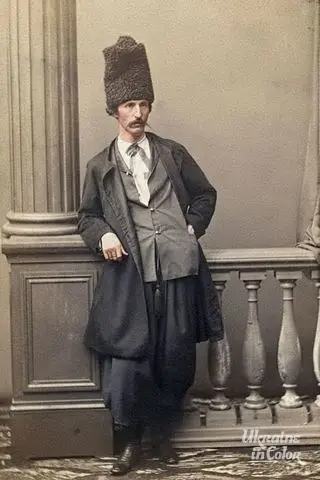
    Пантелеймон Куліш у шапці
    Пантелеймон Куліш у шапціPanteleimon Kulish (1819–1897) was a key figure in the Ukrainian cultural revival. He authored the first Ukrainian historical novel, The Black Council (1857), and worked as a publisher and editor (including the journal Osnova), as well as an ethnographer and historian. He developed the phonetic Ukrainian orthography known as “Kulishivka,” translated Shakespeare and worked on a translation of the Bible, helping to establish standards for the literary Ukrainian language. He moved in the circle of Taras Shevchenko, was married to the writer Hanna Barvinok (Oleksandra Bilozerska), and was connected to the intellectual milieu of the Cyril and Methodius Brotherhood. He hailed from the then Chernihiv Governorate (now Sumy Oblast).
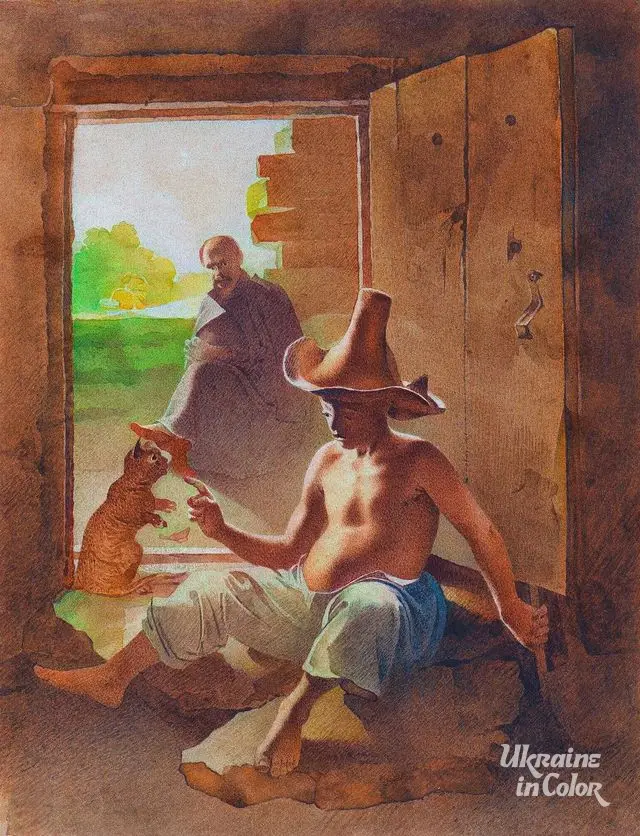
    Taras Shevchenko and a Kazakh Boy Playing with a Cat
    Taras Shevchenko and a Kazakh Boy Playing with a CatSepia drawing by the Ukrainian artist and poet Taras Shevchenko, created between 1856 and 1857. The artwork depicts Shevchenko in the background, observing a Kazakh boy in the foreground who is playing with a cat. The drawing was made while Shevchenko was in exile at Novopetrovsk fortress (now Fort Shevchenko in Kazakhstan) on the Mangyshlak Peninsula. During his ten years in exile, he was officially forbidden from writing or painting. However, he continued his artistic work secretly with the support of friendly locals and his friends. He was assigned to a geological expedition, which provided him with opportunities to sketch. The drawing is in the collection of the National Museum of Taras Shevchenko in Kyiv, Ukraine.
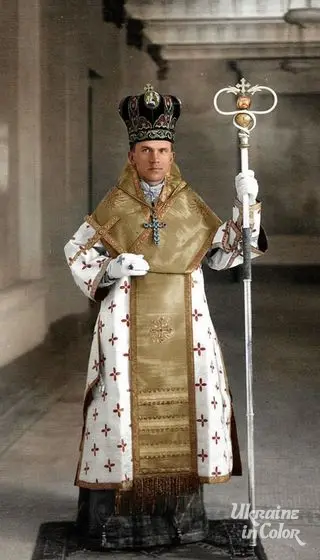
    Bishop-Martyr Nykyta Budka
    Bishop-Martyr Nykyta BudkaA book presentation was held in Rome last week for the launch of a new biography of the first Ukrainian Greek Catholic Bishop of Canada, Blessed Nykyta Budka. Major Archbishop Sviatoslav Shevchuk of Kyiv-Halych was present for the book launch, along with Bishop Borys Gudziak of Paris and Bishop Hlib Lonchyna of London. “God’s Martyr, History’s Witness,” by Father Athanasius McVay, was commissioned by the Ukrainian bishops of Canada for the commemoration of the 100th anniversary of Bishop Budka’s arrival in Canada. Bishop Budka began his ministry in Canada in 1912, just before the beginning of the first World War. After 15 years in Canada, he returned to his native Galicia in what is now Ukraine. During the Soviet occupation of Ukraine following World War II, Bishop Budka was imprisoned and deported to Kazakhstan, where he died a martyr’s death.
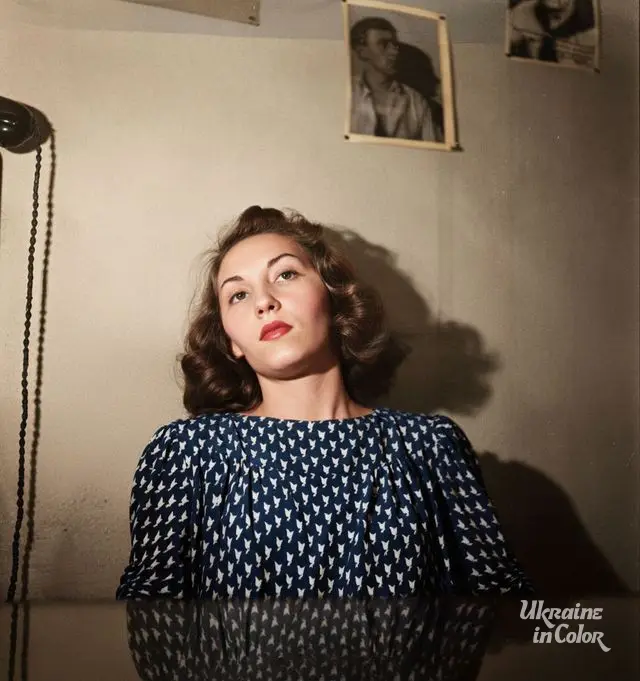
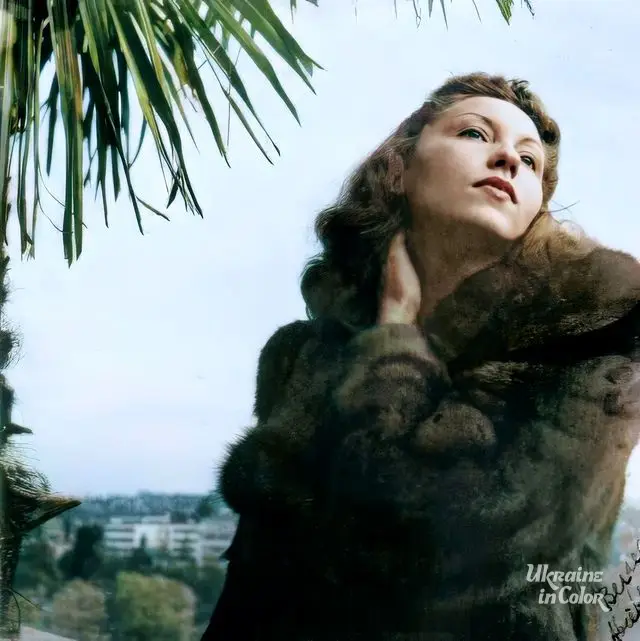
    Clarice Lispector
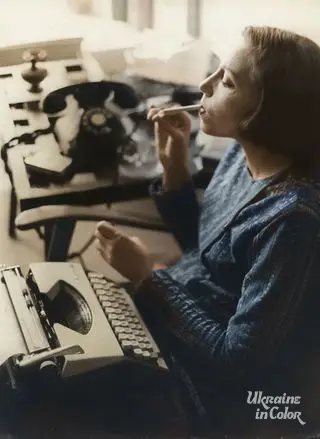
    Clarice LispectorUkrainian-born Brazilian novelist and short story writer. Her distinctive and innovative works delve into diverse narrative forms, weaving themes of intimacy and introspection, earning her subsequent international acclaim. Born to a Jewish family in Podolia in Western Ukraine.
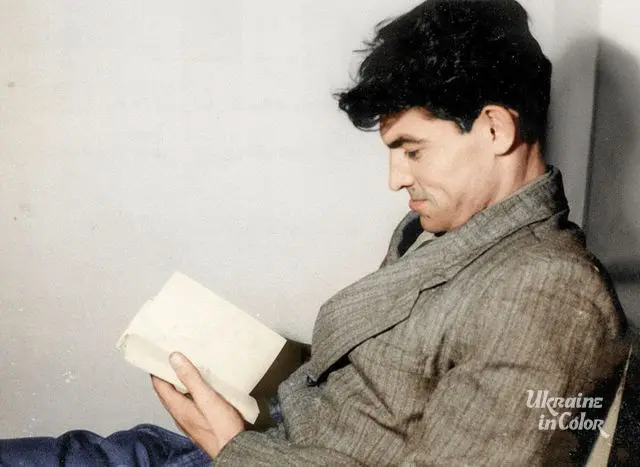
    A symbol of the fight for independence - poet Vasyl Stus reading
    A symbol of the fight for independence - poet Vasyl Stus reading
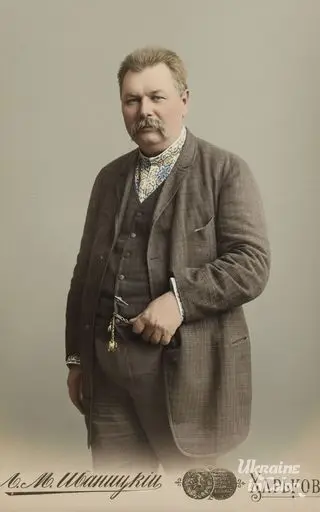
    Mark Lukych-Kropivnickij
    Mark Lukych-KropivnickijMarko Lukich Kropyvnytskyi (1840-1910) is one of the founders of the Ukrainian professional theater, writer, playwright, theater director and actor.