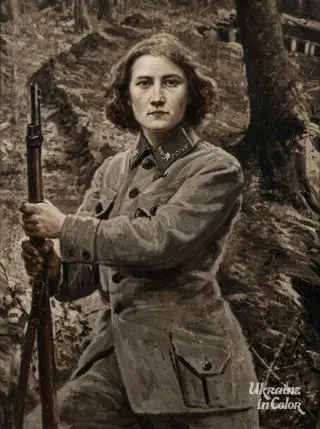
Portrait of Olena Stepaniv by Osyp KurylasPainted portrait of Olena Stepaniv by Ukrainian artist Osyp Kurylas (1870–1951), who himself served in the Ukrainian Sich Riflemen and created numerous portraits of the riflemen and the USS gallery.
Valentina Radzymovska: founder of the Ukrainian school of physiologists and biochemistsValentyna Radzymovska (1886–1953) was a Ukrainian physician and scientist who was one of the first in the world to study the influence of acid-base balance on living cells and laid the foundations of the Ukrainian school of physiologists and biochemists. A professor at Kyiv and Lviv institutions, a participant in the liberation struggle and public and political life, she survived arrest in the case of the “Union for the Liberation of Ukraine”, Nazi occupation, and emigration to Germany and the USA. Leading figures of the Ukrainian movement gathered in her Kyiv apartment, and her scientific works combined laboratory experiments with concern for the health of children and tuberculosis patients. The portrait recreates the image of a woman for whom science, Ukraine, and human dignity were inseparable.
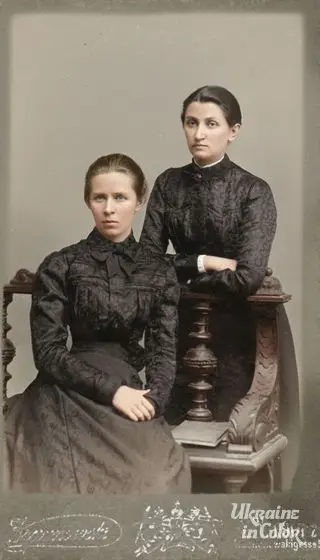
Olga Kobylyanska together with Lesya Ukrainka (Larysa Kosach)
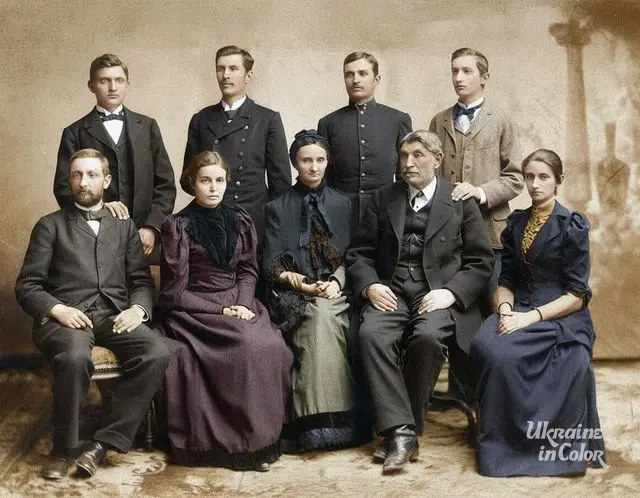
The Kobyliansky family
Alla Gorska during her trip to Ukraine
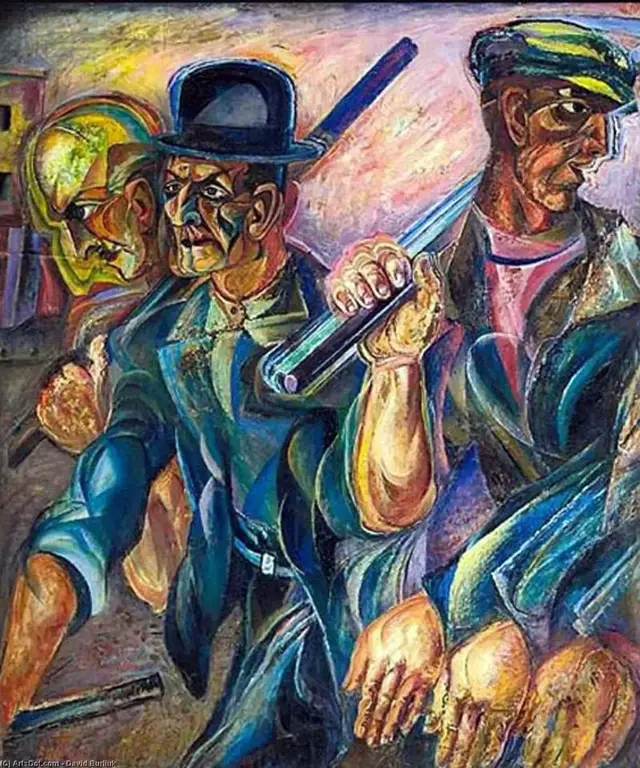
American workers
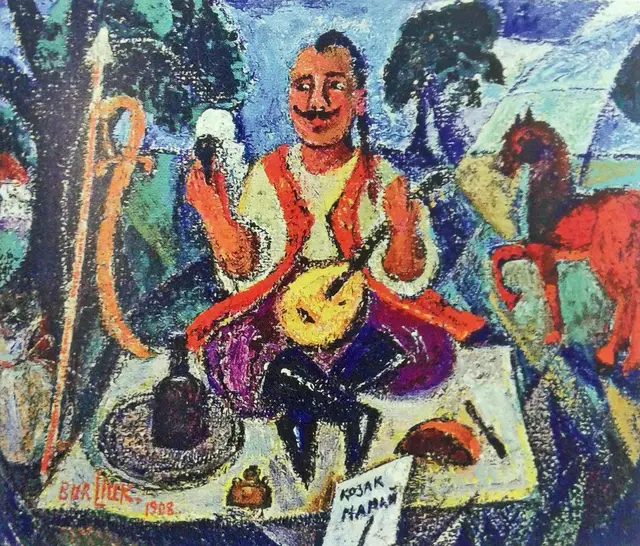
Cossack Mamai
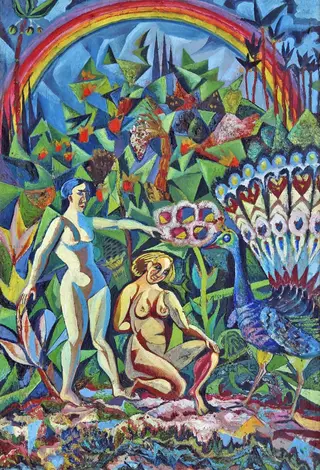
Rainbow
Carousel
Woman with a mirror.
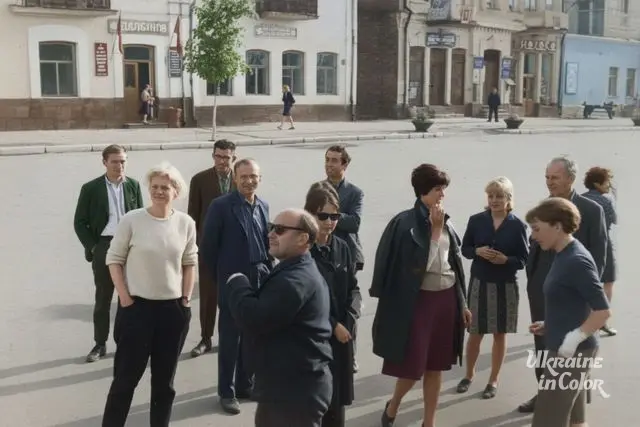
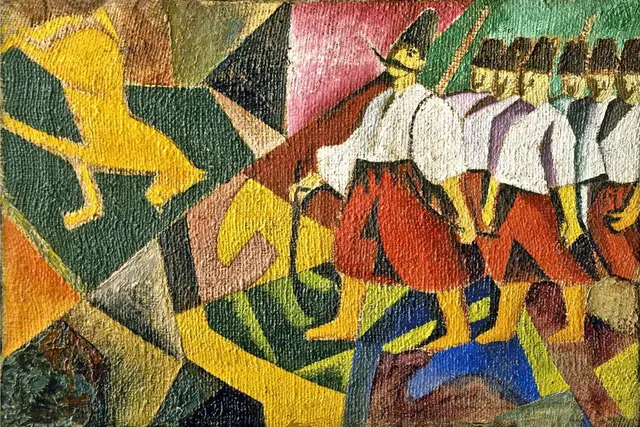
Ukrainians
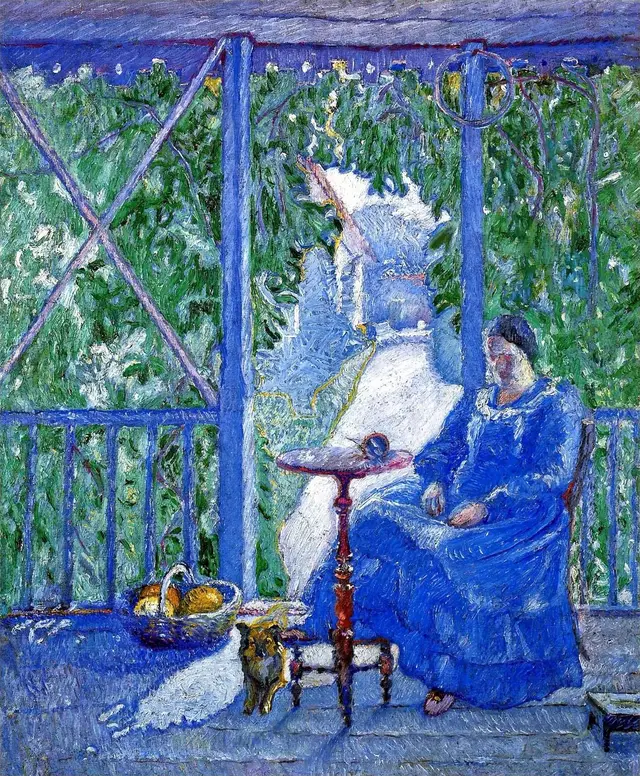
On the terrace.
A fifty-year-old woman on Mars.
Painting "Portrait of my uncle"
Flashes
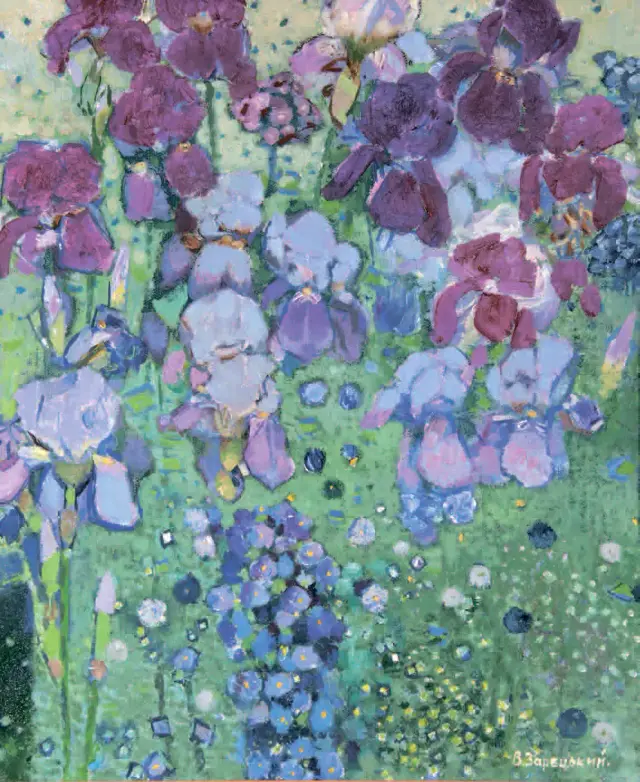
Irises
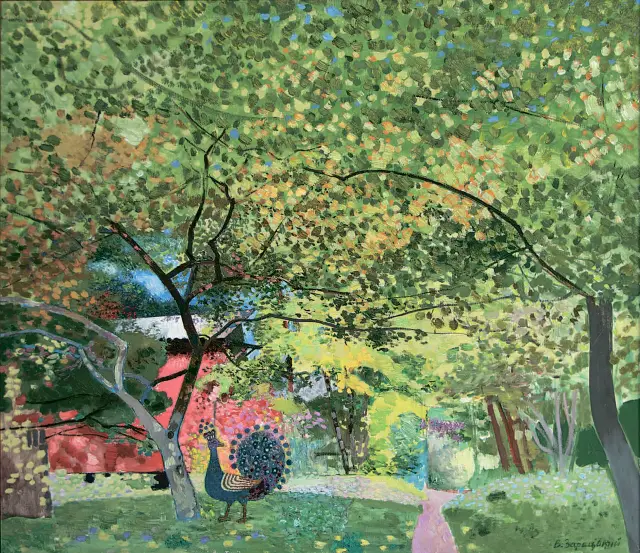
Peacock
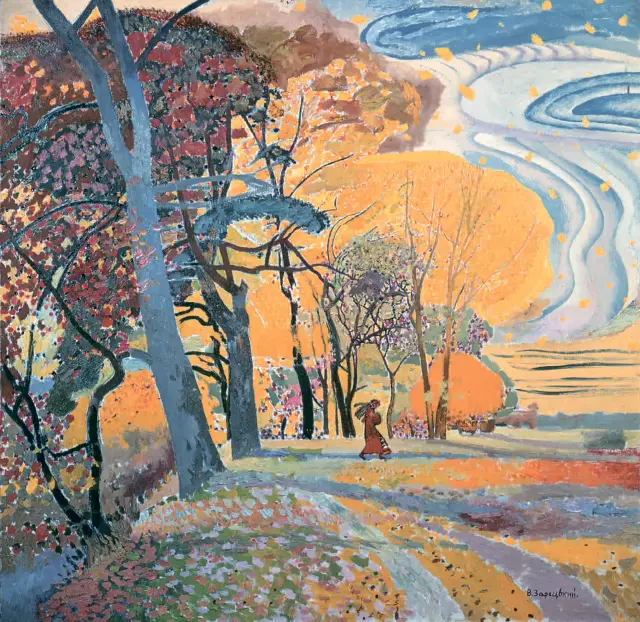
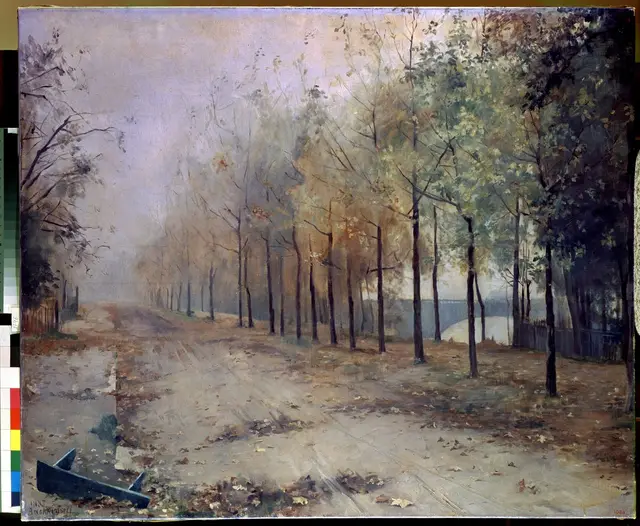
Autumn. Wind
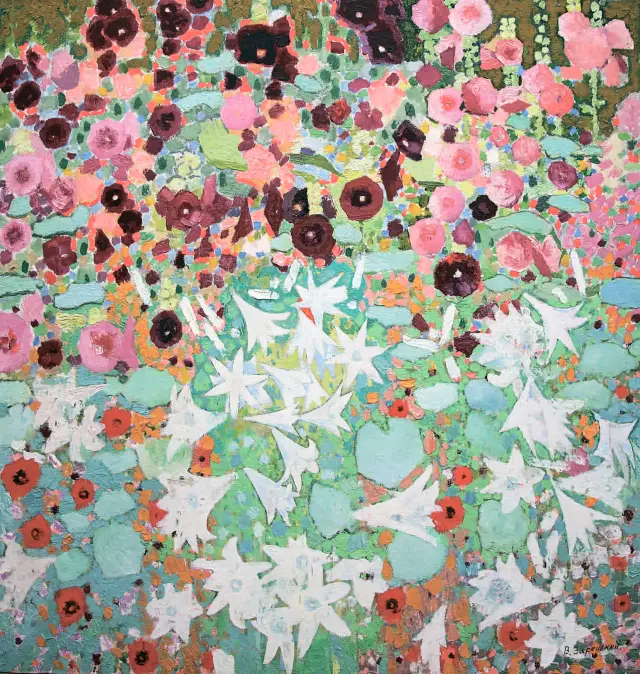
Lilies
Portrait of Olga Kravchenko
Portrait of Raisa Nedashkovskaya as Kateryna Bilokur
First love
Green (Future). Right part of the triptych "Art"
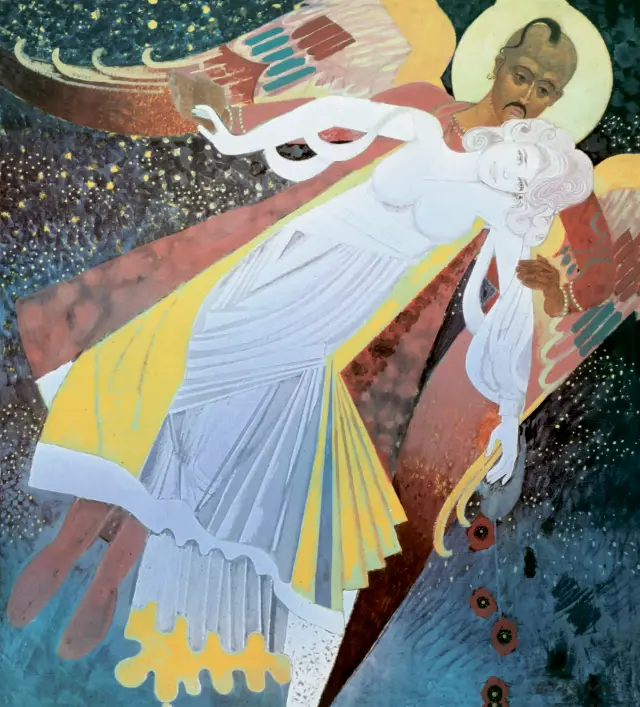
A bright soul. In memory of Alla Horska
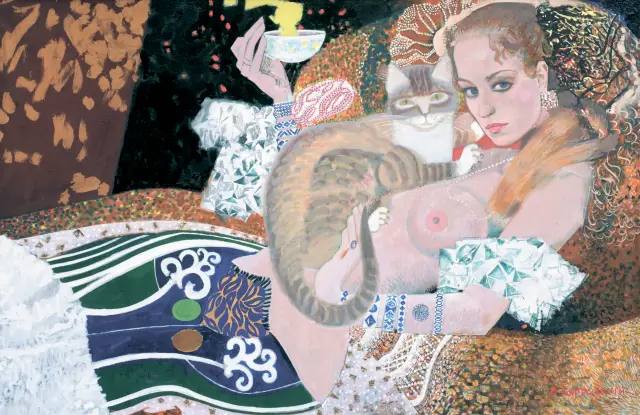
A cup of coffee. Olesya
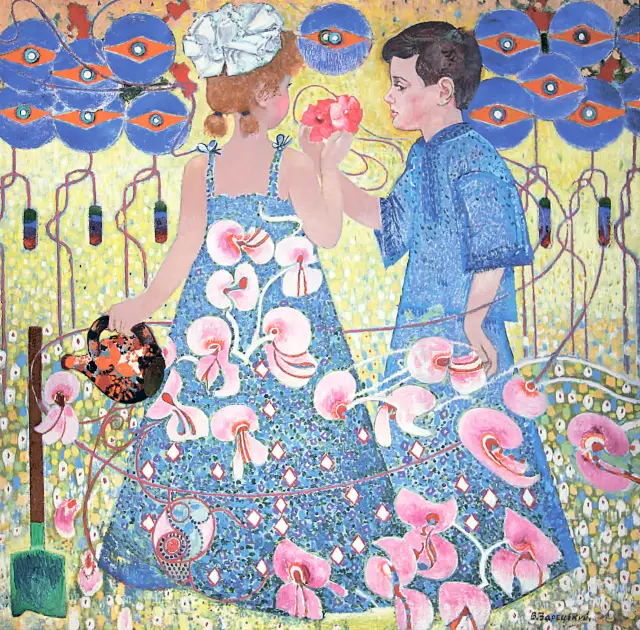
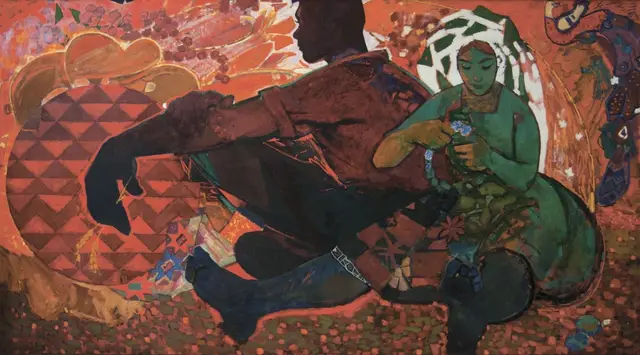
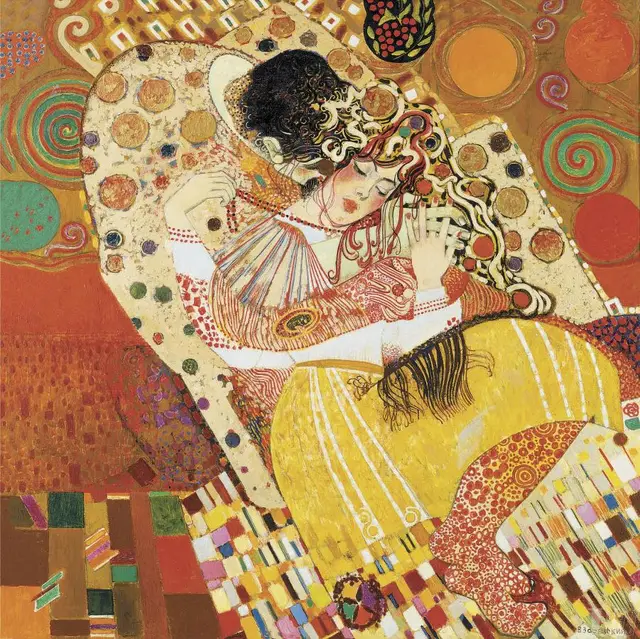
Cherry WindThe painting depicts two figures in a vibrant, patterned setting, characteristic of the artist's focus on everyday life and Ukrainian culture.
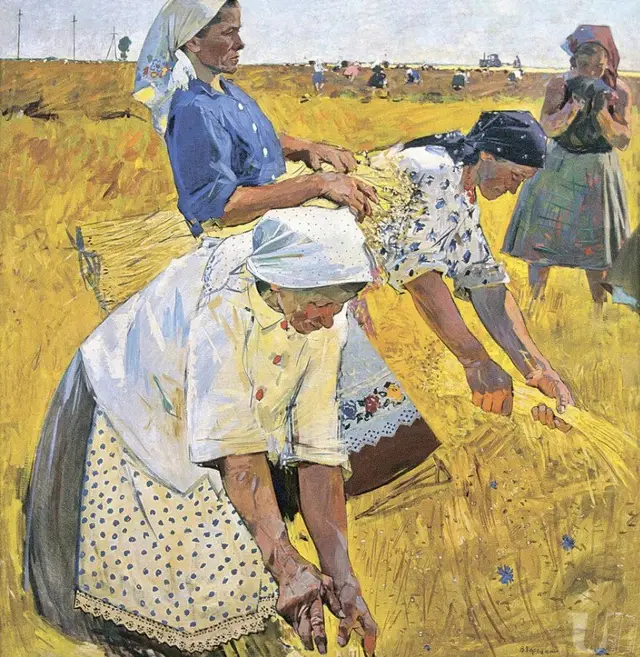
Harvesting Flax
Oh, godfather flirts with godmother
Summer
Autumn
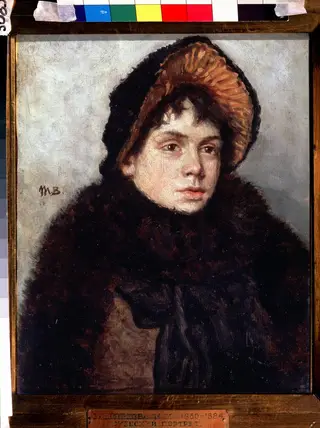
Portrait of a Woman
Mirrophora
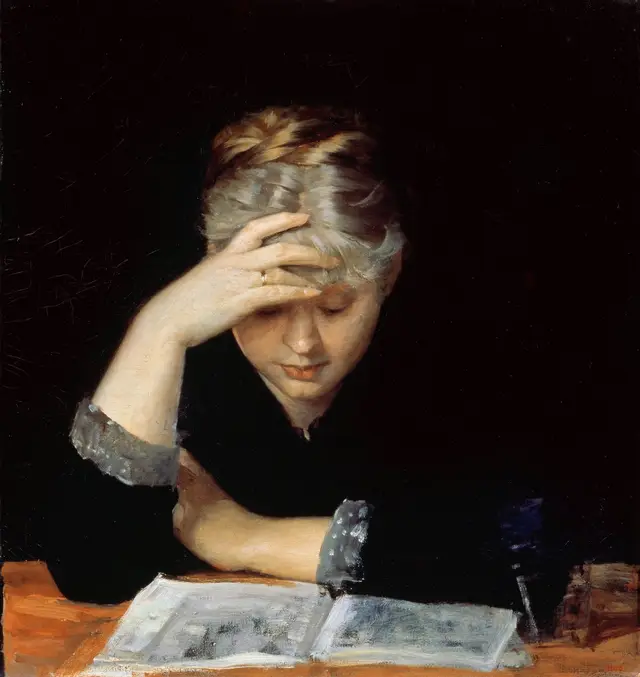
At A Book
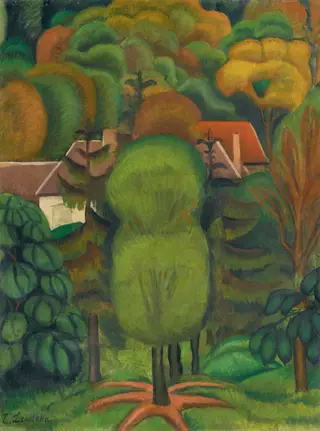
The Garden
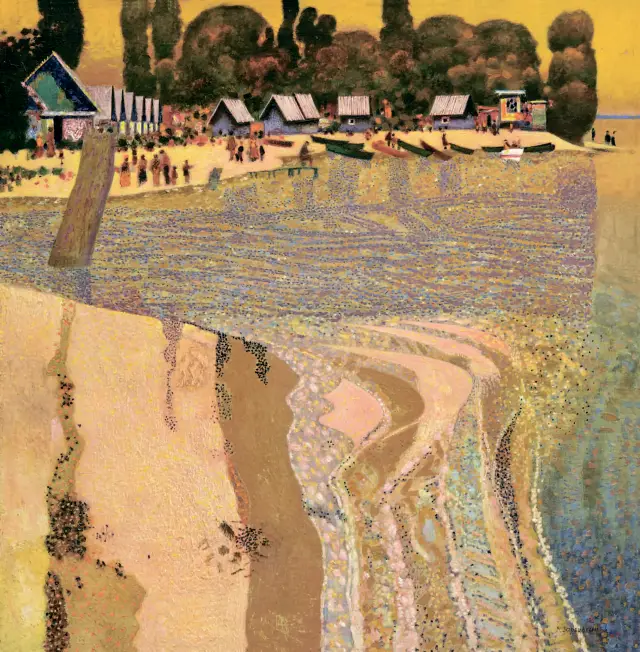
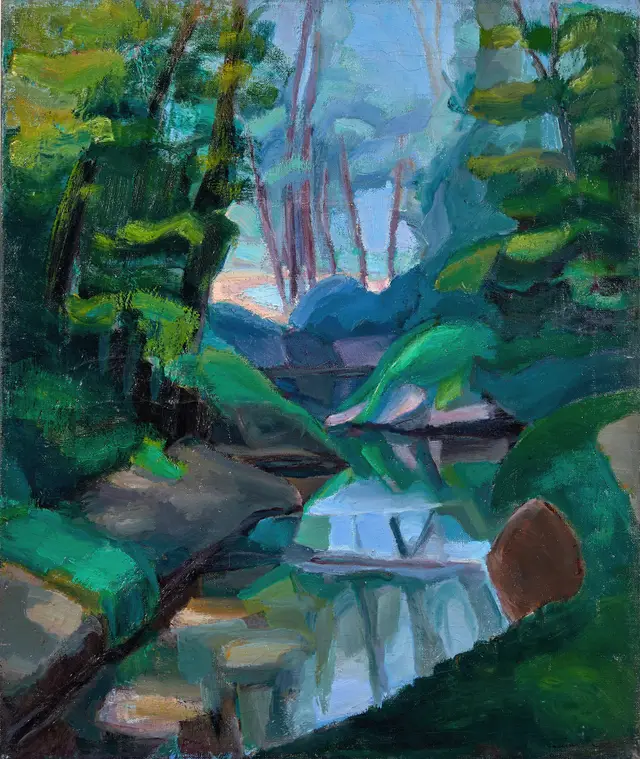
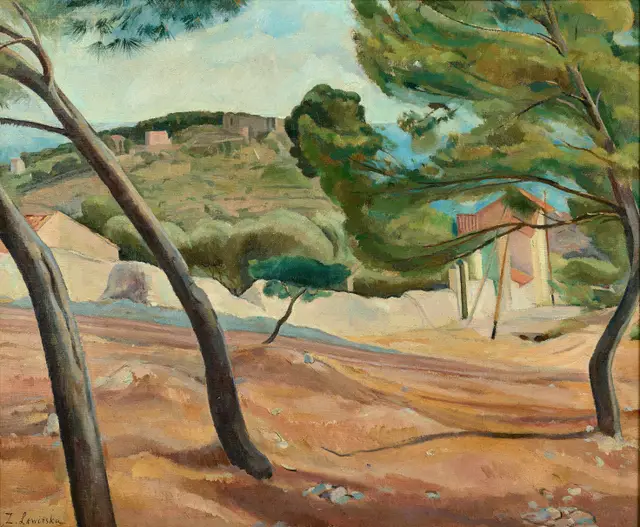
Coastal landscape
Mediterranean landscape
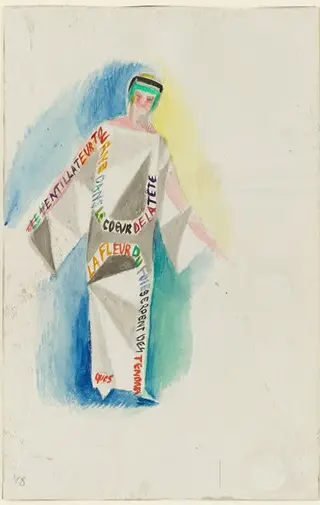
Sonia Delaunay Dress Poem No.1329 1923
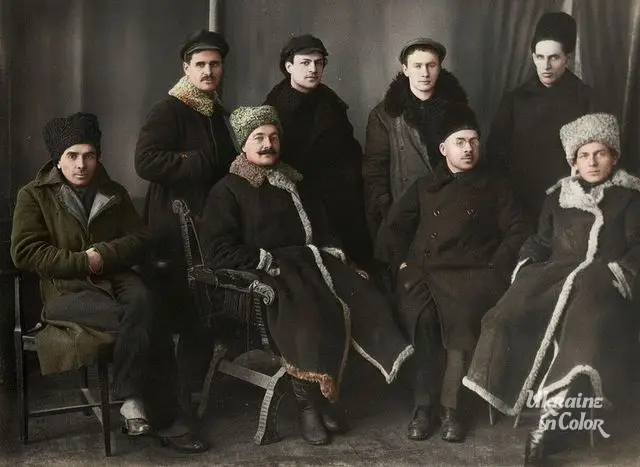
Delegates to the First All-Union Conference of the Association of Proletarian Writers of the USSR, representatives of Ukraine and Belarus. From left to right, sitting: Mykola Khvylovy, Serhiy Pylypenko, Tsishka Gartny, Adam Babareka. Standing: Grigory Epik, Mikhas Charot, Anatol Volny, Mykola Hristovy. Moscow
All executed before 1937, Khvylovy - committed suicide.
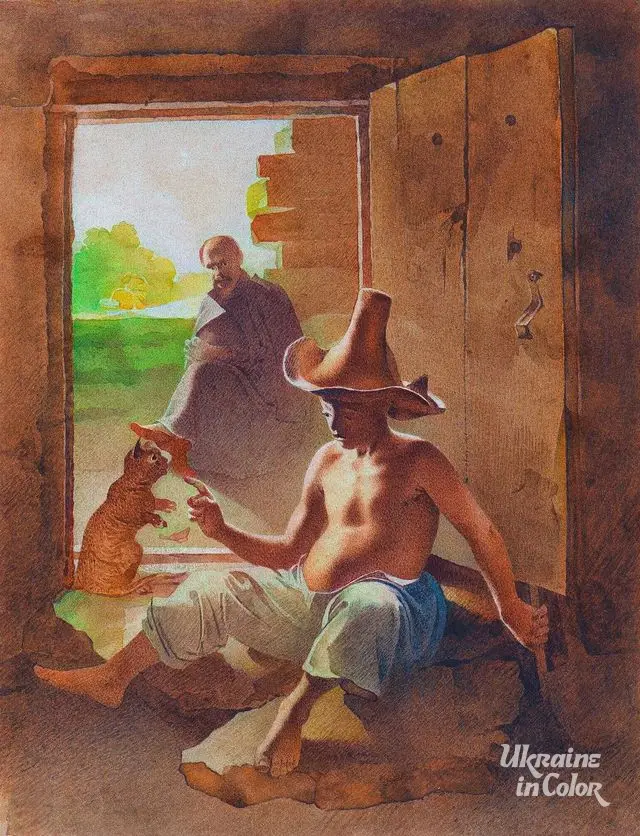
Taras Shevchenko and a Kazakh Boy Playing with a CatSepia drawing by the Ukrainian artist and poet Taras Shevchenko, created between 1856 and 1857. The artwork depicts Shevchenko in the background, observing a Kazakh boy in the foreground who is playing with a cat.
The drawing was made while Shevchenko was in exile at Novopetrovsk fortress (now Fort Shevchenko in Kazakhstan) on the Mangyshlak Peninsula. During his ten years in exile, he was officially forbidden from writing or painting. However, he continued his artistic work secretly with the support of friendly locals and his friends. He was assigned to a geological expedition, which provided him with opportunities to sketch.
The drawing is in the collection of the National Museum of Taras Shevchenko in Kyiv, Ukraine.
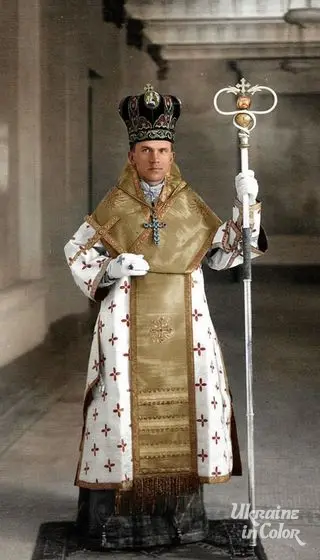
Bishop-Martyr Nykyta BudkaA book presentation was held in Rome last week for the launch of a new biography of the first Ukrainian Greek Catholic Bishop of Canada, Blessed Nykyta Budka. Major Archbishop Sviatoslav Shevchuk of Kyiv-Halych was present for the book launch, along with Bishop Borys Gudziak of Paris and Bishop Hlib Lonchyna of London.
“God’s Martyr, History’s Witness,” by Father Athanasius McVay, was commissioned by the Ukrainian bishops of Canada for the commemoration of the 100th anniversary of Bishop Budka’s arrival in Canada.
Bishop Budka began his ministry in Canada in 1912, just before the beginning of the first World War. After 15 years in Canada, he returned to his native Galicia in what is now Ukraine. During the Soviet occupation of Ukraine following World War II, Bishop Budka was imprisoned and deported to Kazakhstan, where he died a martyr’s death.