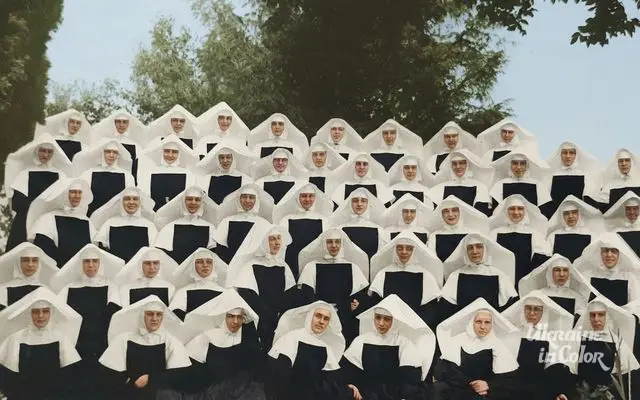
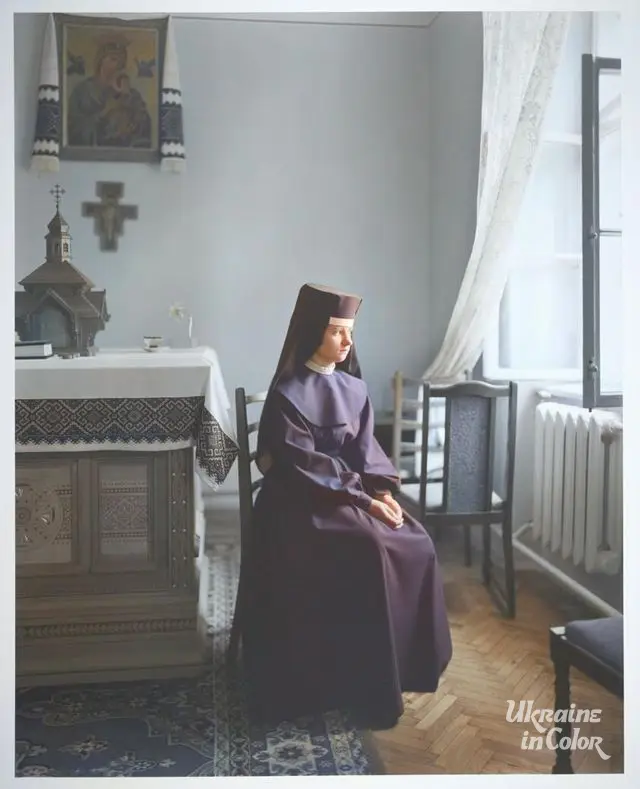
Order of the Sisters of Charity of St. Vincent de PaulThis Catholic women's congregation was founded in the 17th century in Paris to serve the poor, sick, and disadvantaged. A monastery was established in Zhytomyr in 1766.
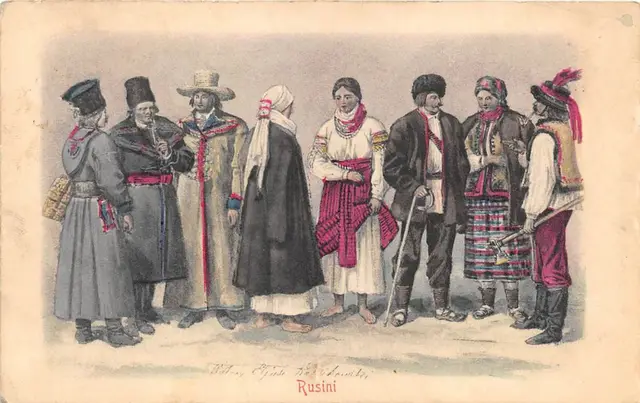
Ruthenians
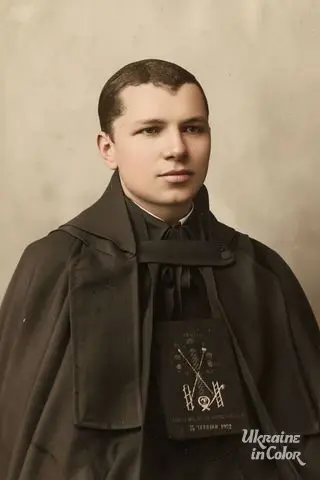
Father Mykola Lysko - one of the first priests who arrived in the Ukrainian community of the first settlers of the state of Paraná in Brazil
Ostapiv Veselka Kom Ephraim Krevey
Tarnovsky Vasyl (junior) in national costume
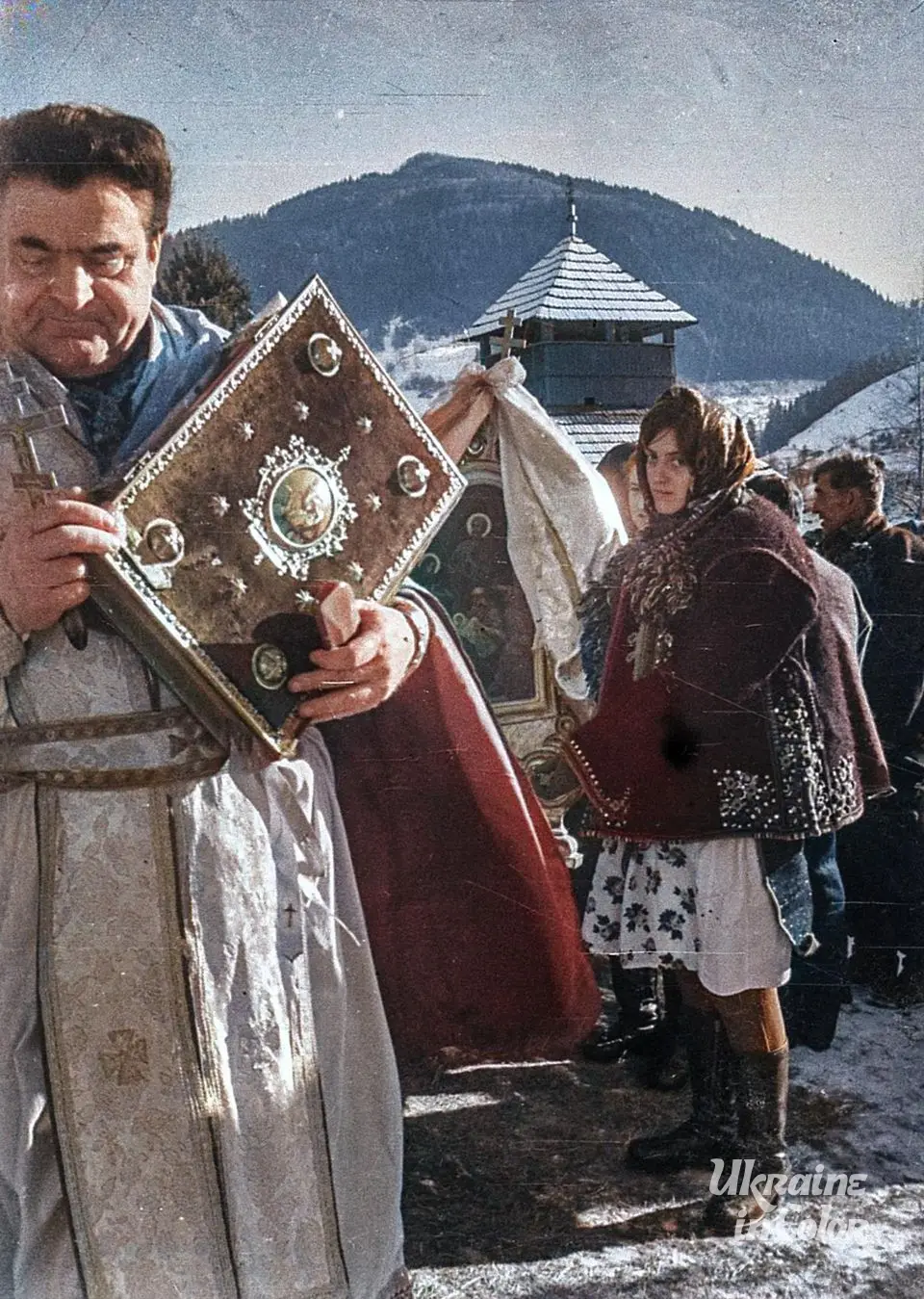
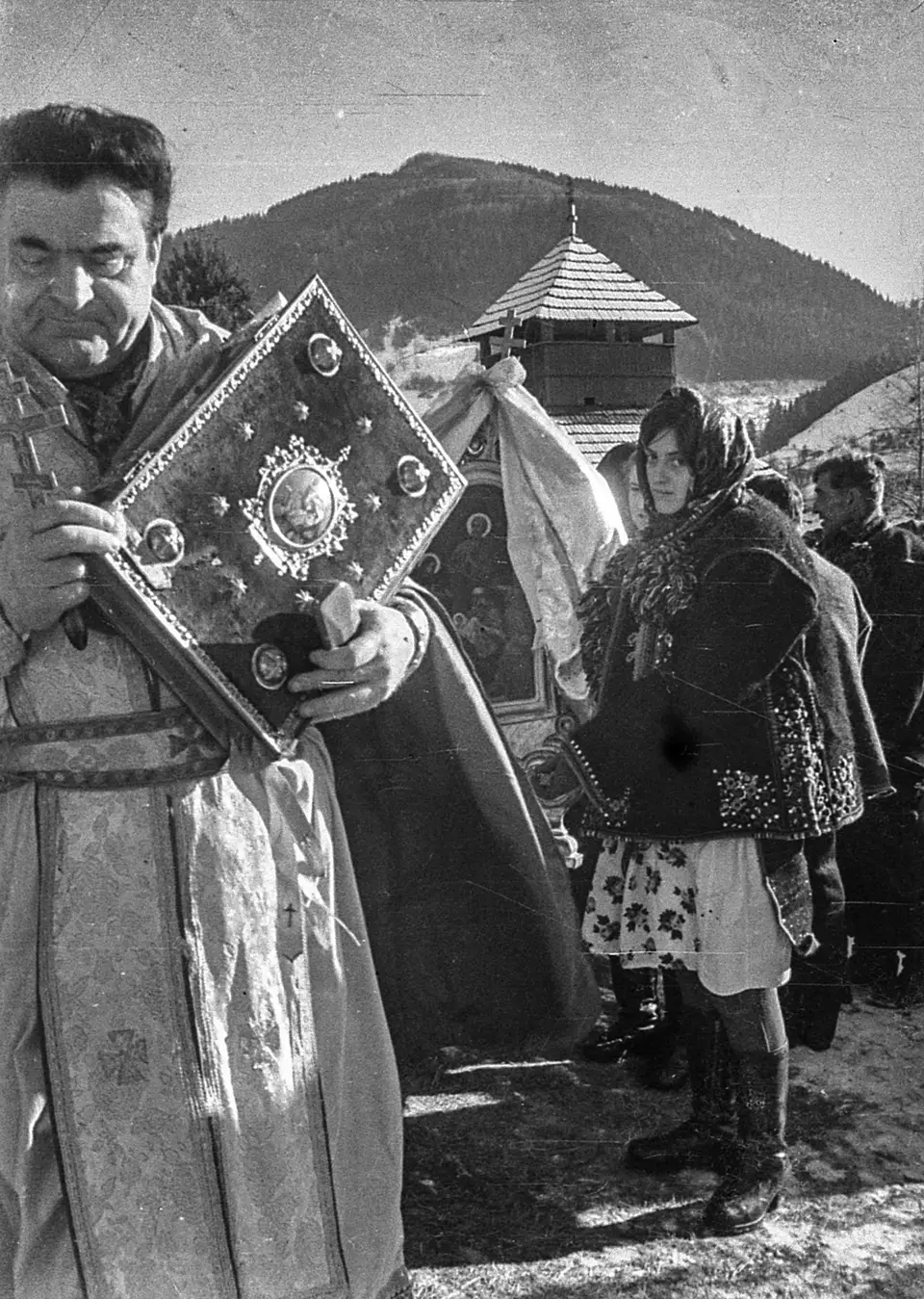
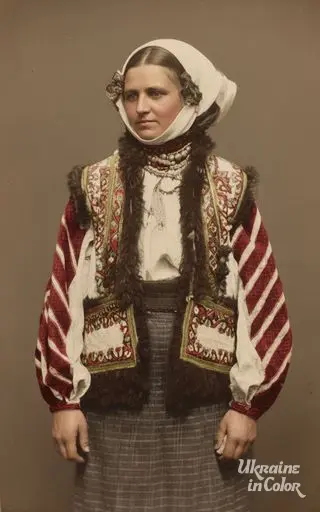
Young lady Brustura
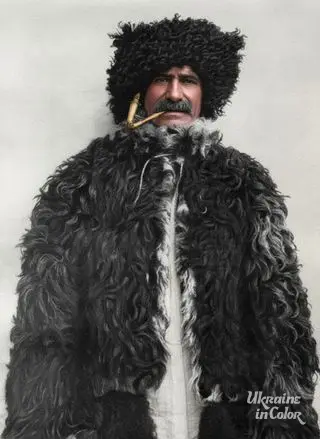
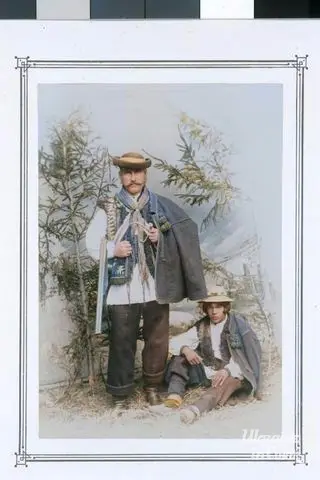
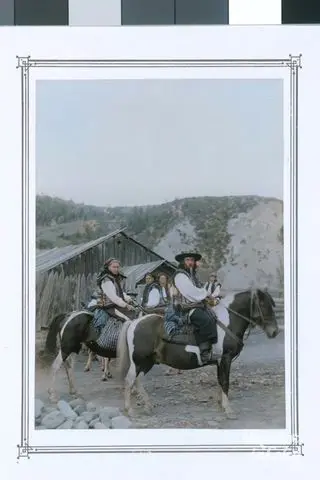
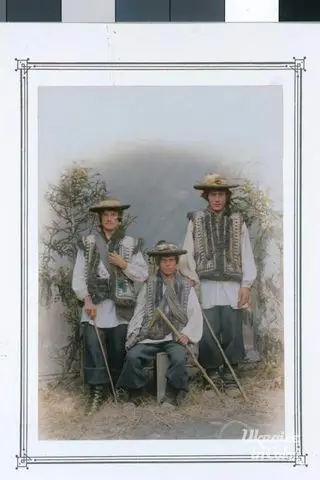
Hutsul in a sheepskin coat
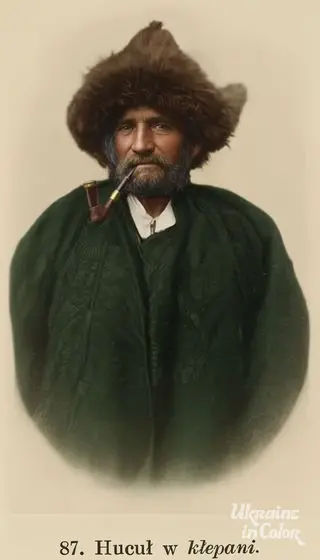
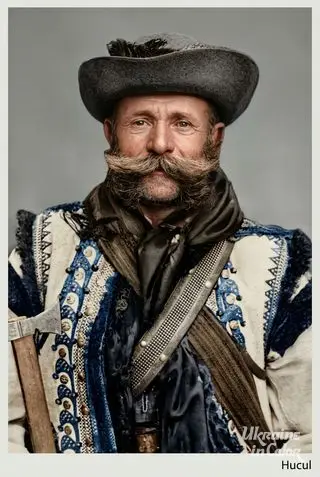
Hucul
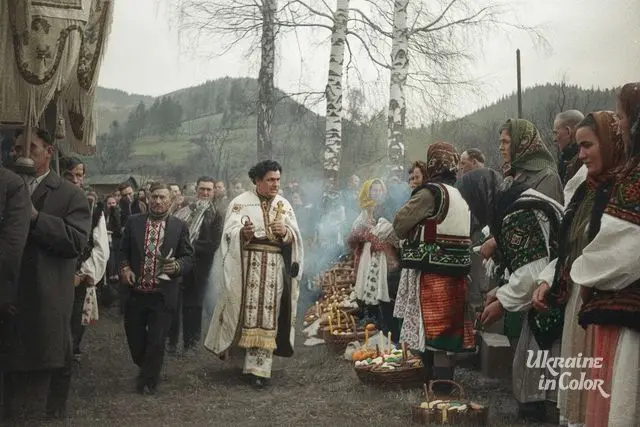
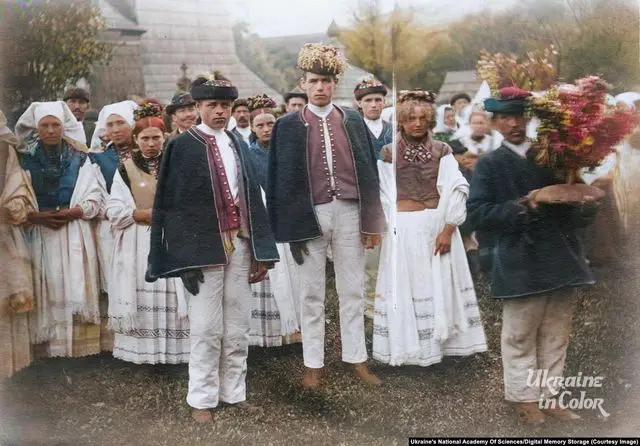
Traditional blessing of food at Easter
Sister Solomia, Sister of Servants, Lviv, Ukraine
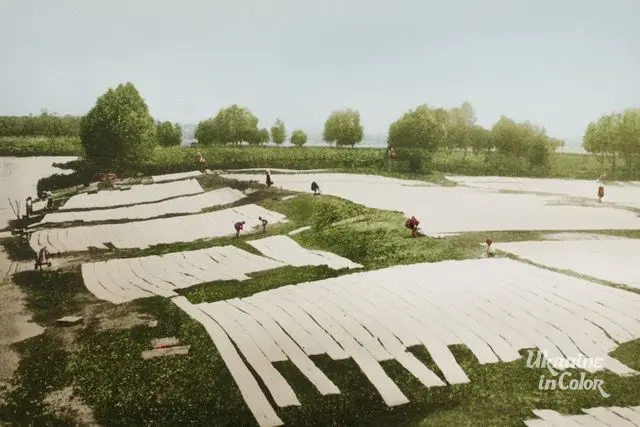
Bleaching canvas near a pond. 1920s. Southern Chernihiv region. P. 35.
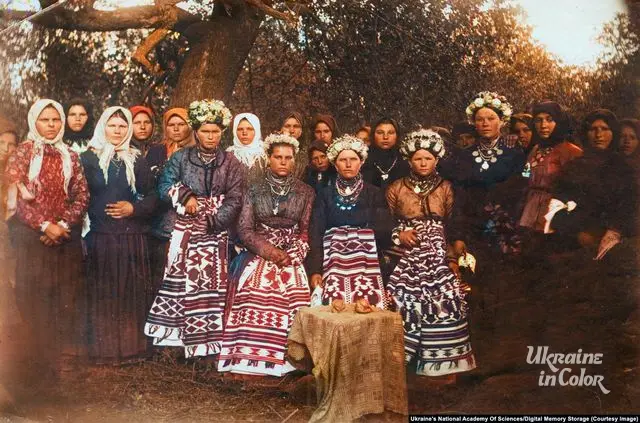
Women and girls, possibly dressed to celebrate a wedding, in Ukraine's Pavlohrad Region in 1909
A wedding ceremony is immortalized in a print found in Fedir Vovk's personal archive.
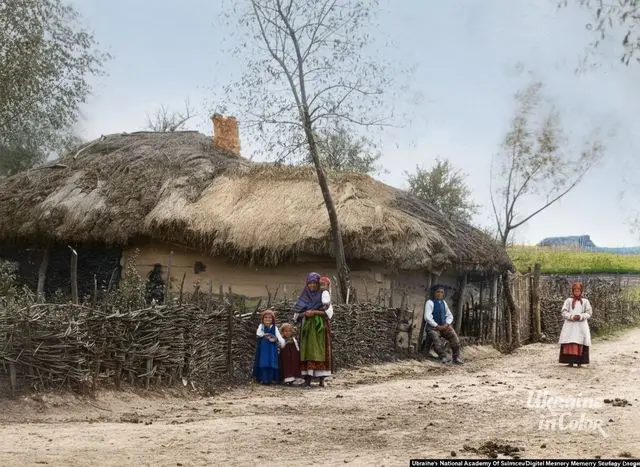
Village houses in Ukraine in the late 1800s or early 1900s
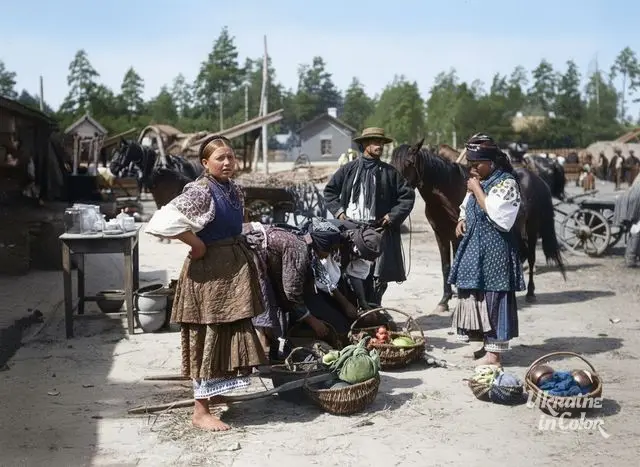
Ukrainian peasants in the Kyiv region in the late 1800s or early 1900s
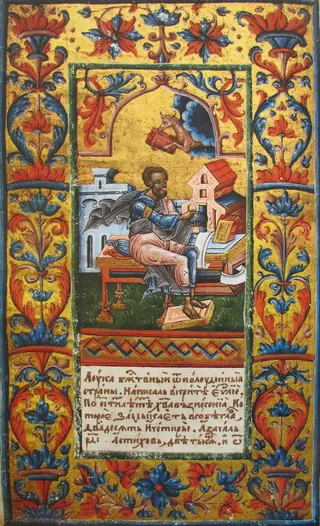
Page from the Peresopnytsia Gospel, an illuminated manuscript of the four Gospels of the New Testament that is considered a significant cultural artifact of Ukraine.
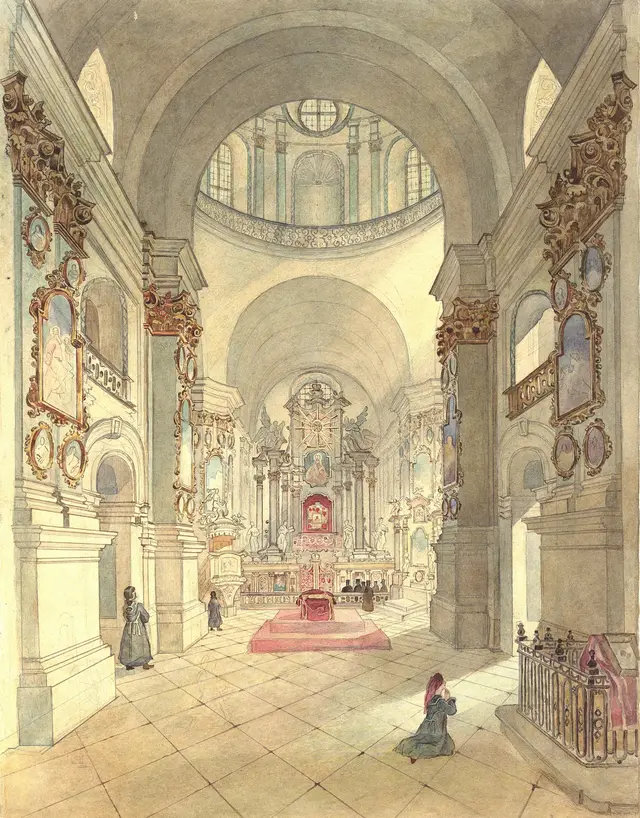
Cathedral of the Pochaiv Lavra (interior view)The painting was created in 1846 during Shevchenko's trip to Volhynia, where he was a member of the Archeographic Commission.
It depicts the interior of the Assumption Cathedral, which is part of the Pochaiv Lavra monastery in Ukraine.
The Pochaiv Lavra is one of the most revered and largest shrines in Ukraine.
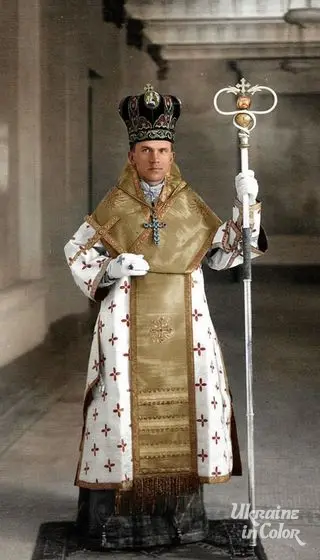
Bishop-Martyr Nykyta BudkaA book presentation was held in Rome last week for the launch of a new biography of the first Ukrainian Greek Catholic Bishop of Canada, Blessed Nykyta Budka. Major Archbishop Sviatoslav Shevchuk of Kyiv-Halych was present for the book launch, along with Bishop Borys Gudziak of Paris and Bishop Hlib Lonchyna of London.
“God’s Martyr, History’s Witness,” by Father Athanasius McVay, was commissioned by the Ukrainian bishops of Canada for the commemoration of the 100th anniversary of Bishop Budka’s arrival in Canada.
Bishop Budka began his ministry in Canada in 1912, just before the beginning of the first World War. After 15 years in Canada, he returned to his native Galicia in what is now Ukraine. During the Soviet occupation of Ukraine following World War II, Bishop Budka was imprisoned and deported to Kazakhstan, where he died a martyr’s death.
Verkhovyna 10
Verkhovyna 5
Verkhovyna 4
Verkhovyna 3
Verkhovyna 2
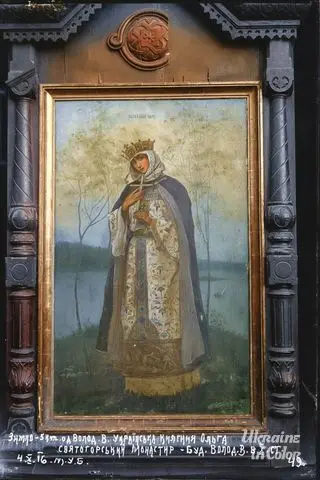
Ukrainian Princess Olga
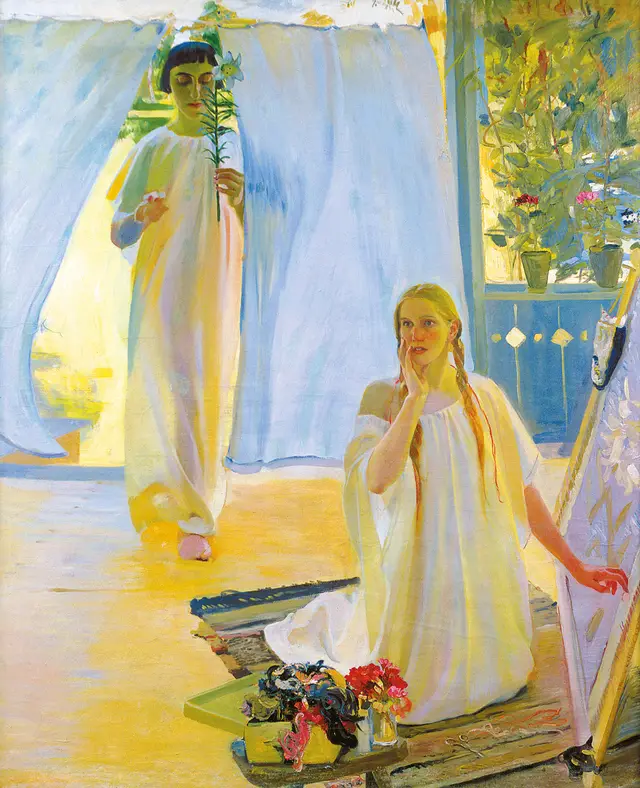
Annunciation by Oleksandr Murashko
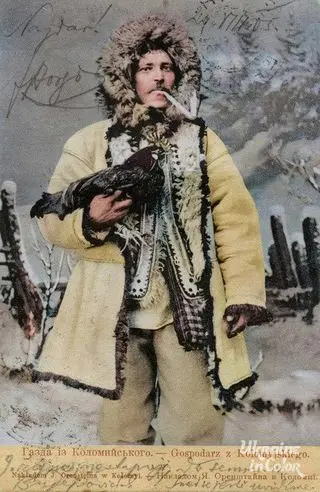
Gazda from KolomyjskeSince ancient times, Ukrainians lived in harmony with nature and were skilful owners, using the knowledge and experience of their ancestors. That's why the Canadian government massively helped them with emigration to Canada at the end of the 19th century, so that they could work on endless uncultivated lands.
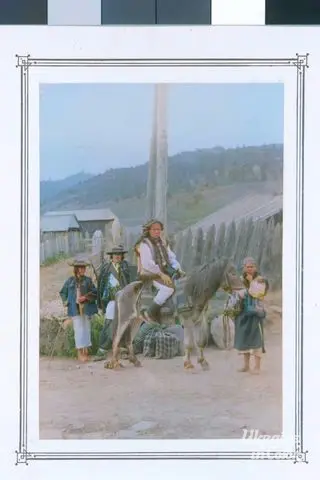
HutculAn ethnographic group of Ukrainians who live in the Carpathians and who, according to one version, are descendants of the most ancient tribe of the chronicled Uliches.
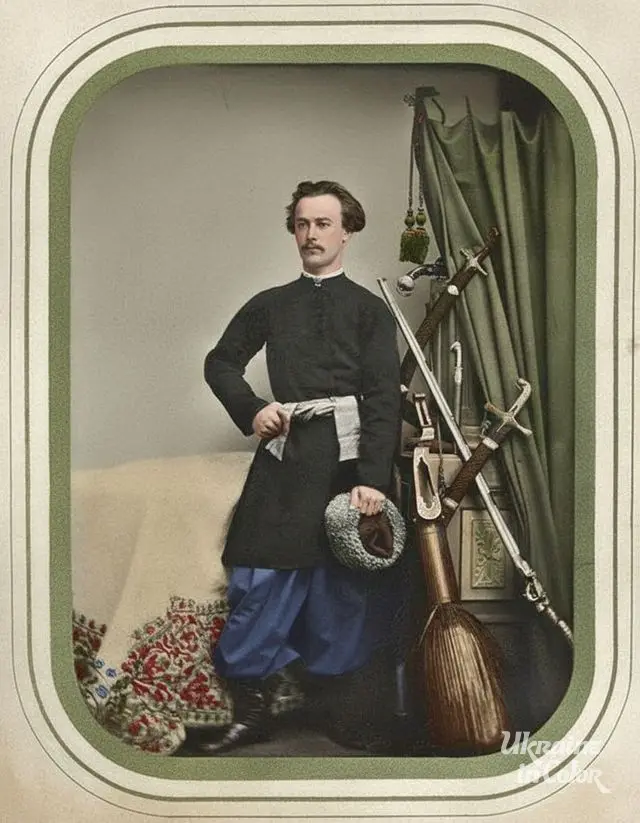
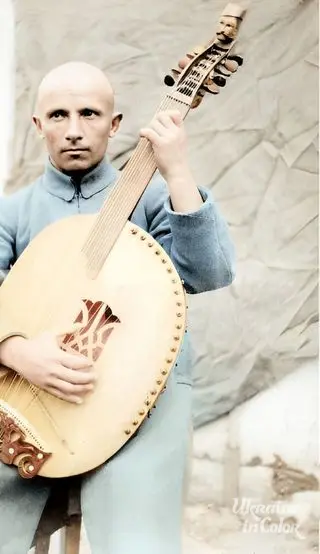
Bandurist Danylo Sherbyna
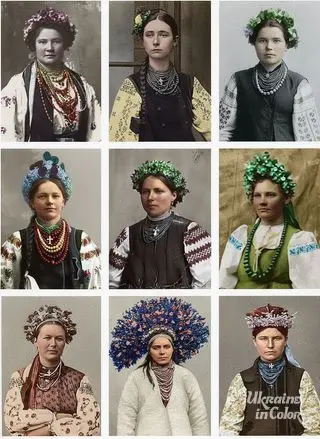
Precious jewelry for a Ukrainian womanUkrainian jewellery has always performed two functions — protective and informative. Amulets and ritual ornaments were worn only on the body - wedding rings, bracelets and crosses. Well, those that were worn over clothes spoke eloquently about the owner's wealth.