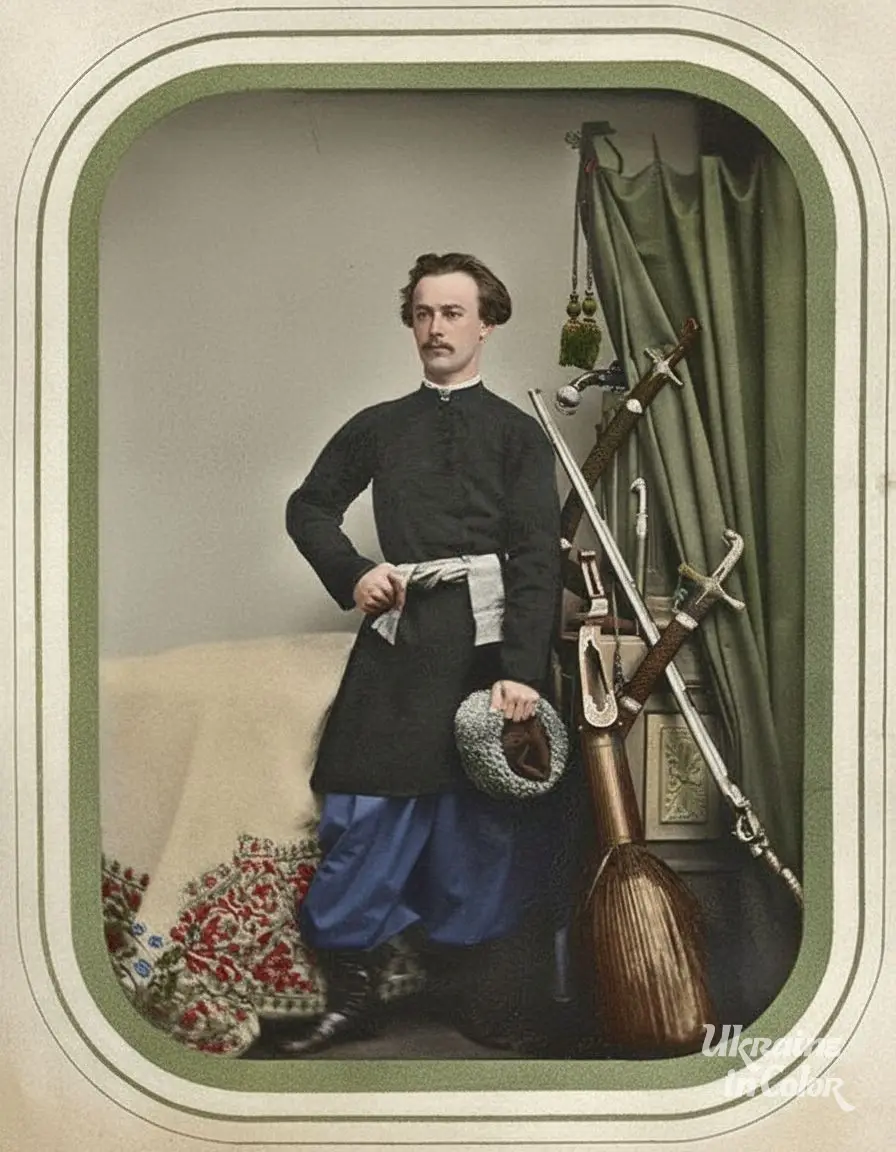
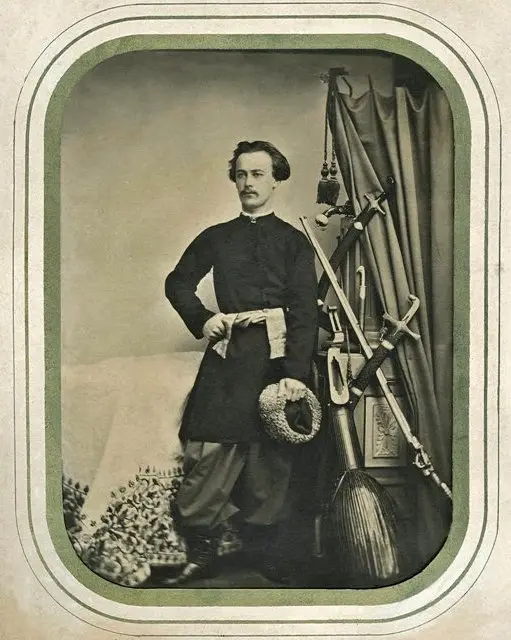
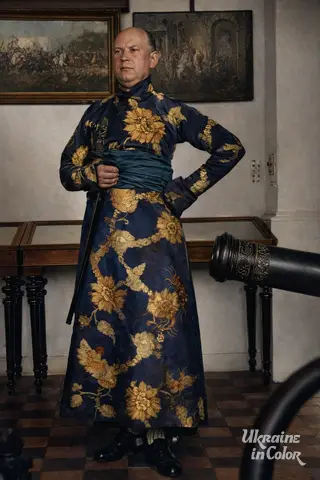
Tarnovsky Vasyl (junior) in national costume | Ukraine in color
1860
Tarnovsky Vasyl (junior) in national costume
Depicted:Vasyl TarnovskyOriginal: All rights reservedRestoration: All rights reserved
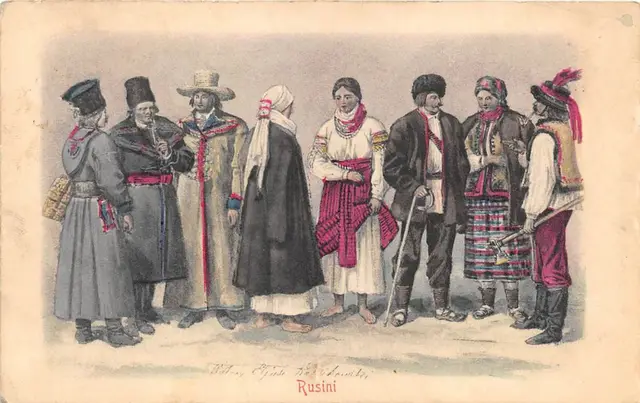
Ruthenians
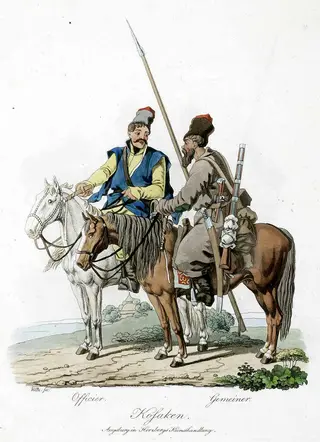
Cossacks
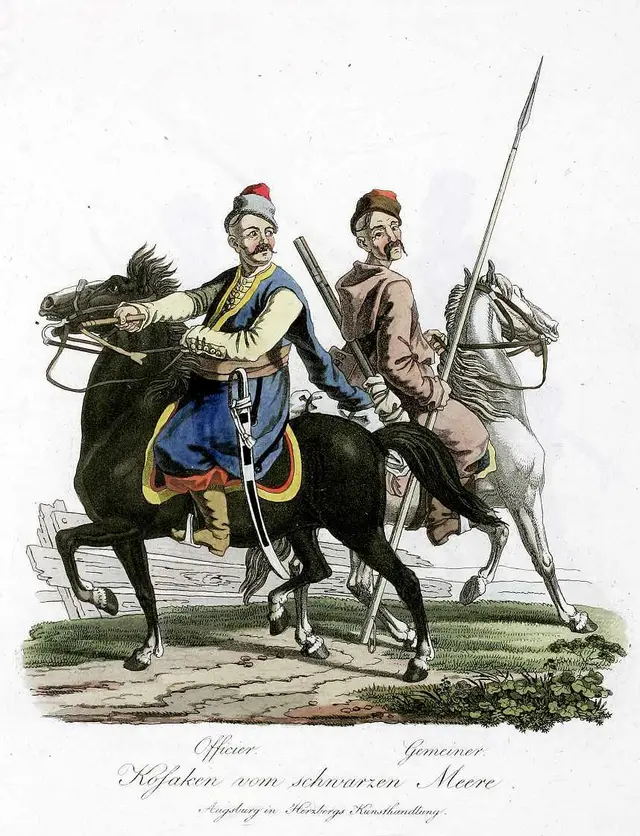
Black Sea Cossacks
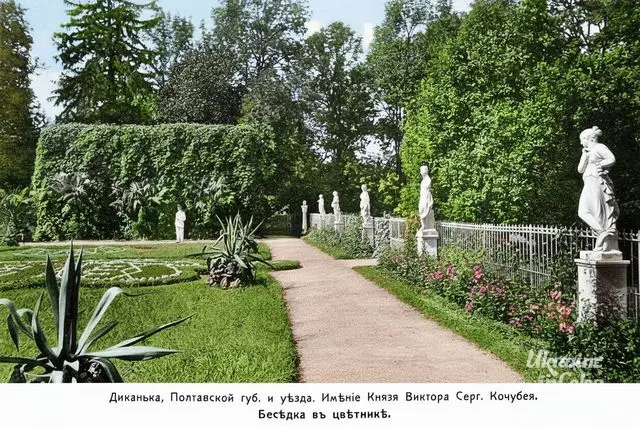
Dikanka. Gazebo in the flower garden
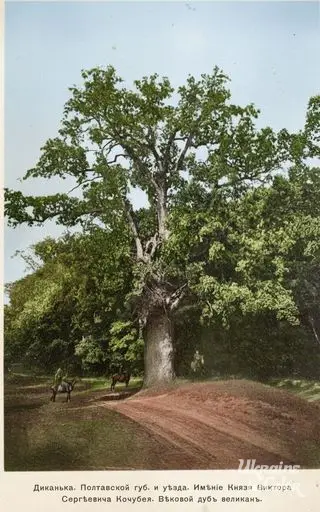
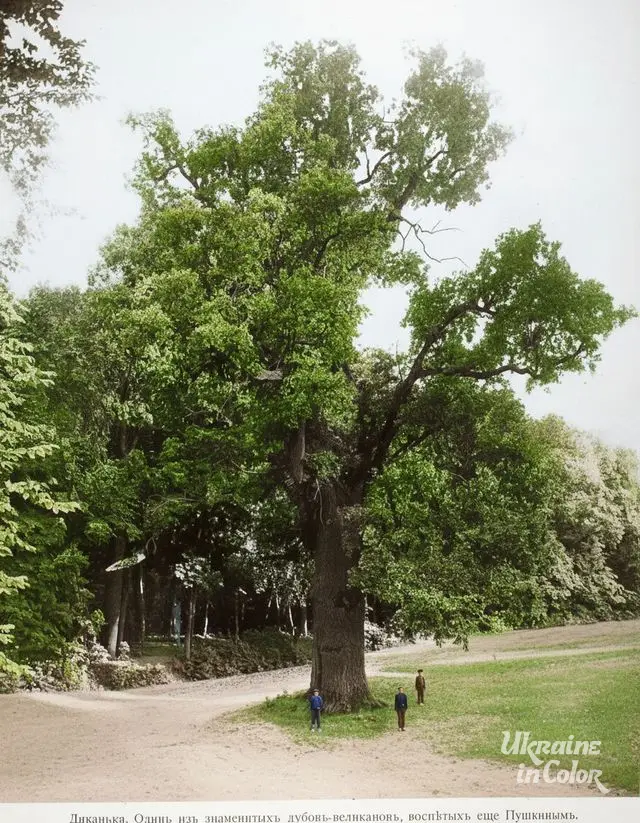
Mazepa's oak from afar
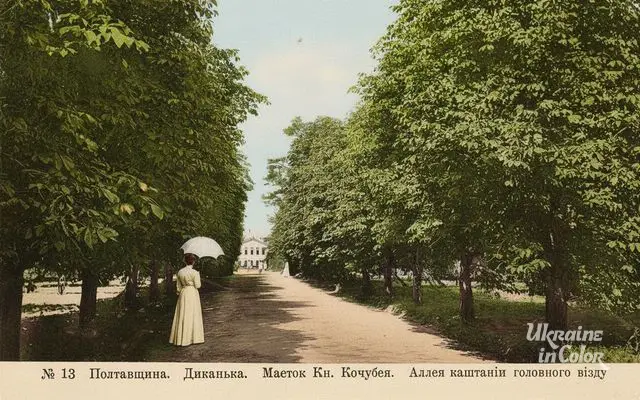
The estate of Prince Kochubey. Chestnut Alley
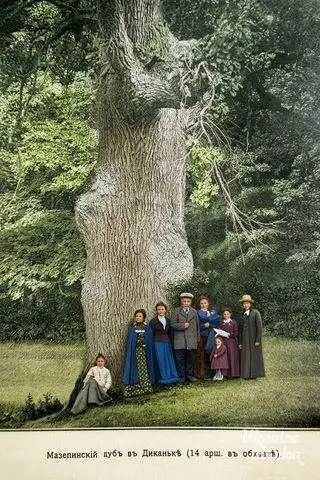
Prince Kochubey's estate. Mazepa oak
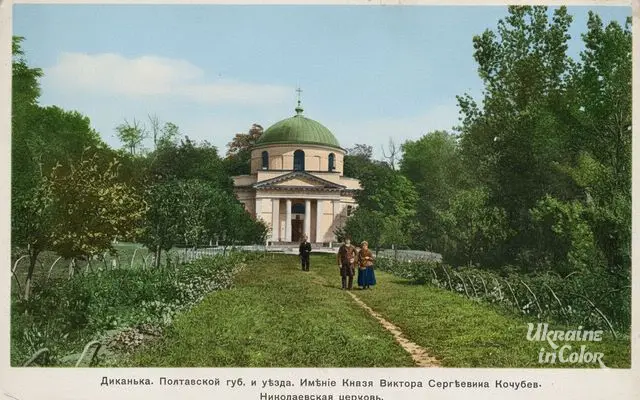
Nicholas Church in the estate of Prince Viktor Sergeevich Kochubey
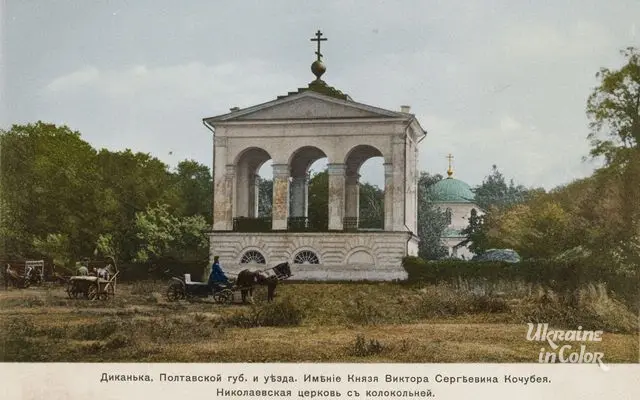
St. Nicholas Church with a bell tower
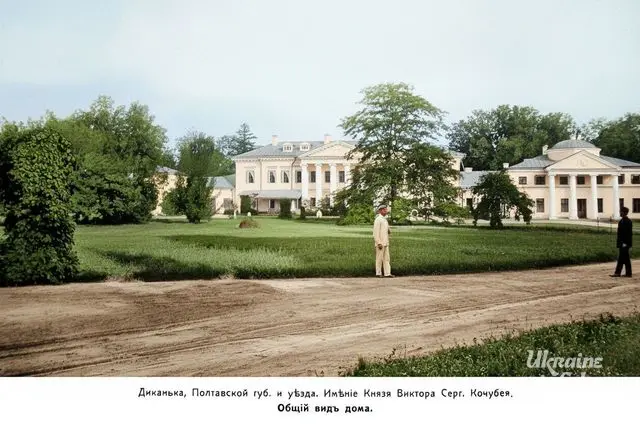
Dikanka. General view of the estate
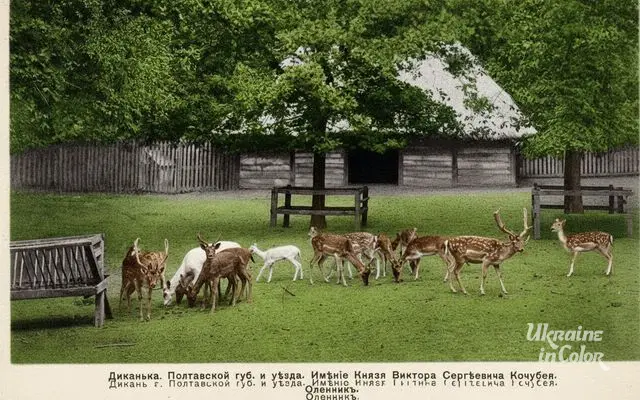
Prince Kochubey's estate. Deer farm
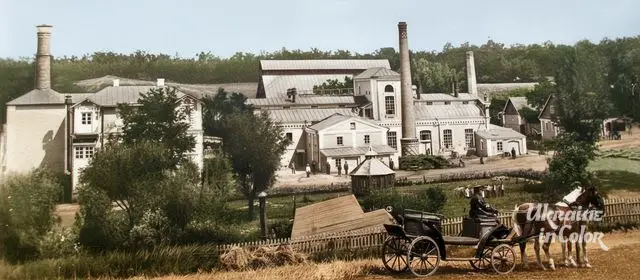
Brewery. Dikanka.
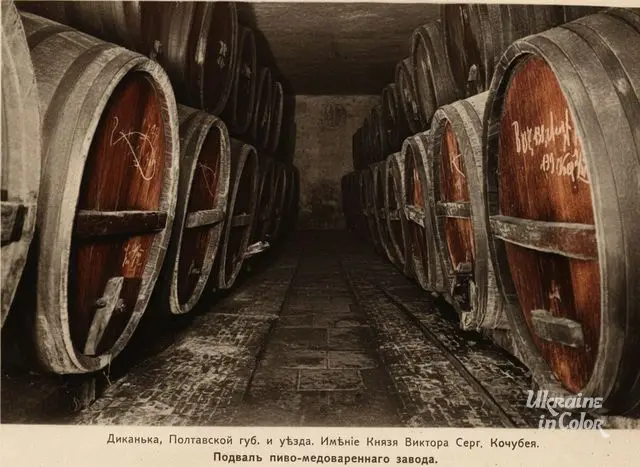
The basement of the Kochubeyiv beer and mead factory
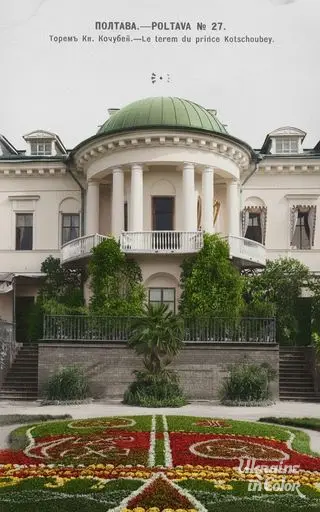
Facade of the Kochubey Palace in Dykanka
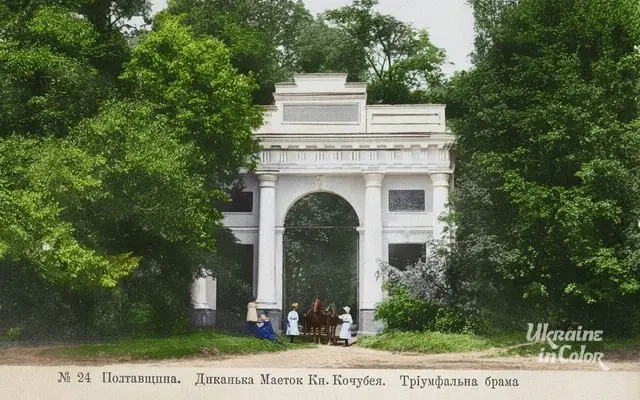
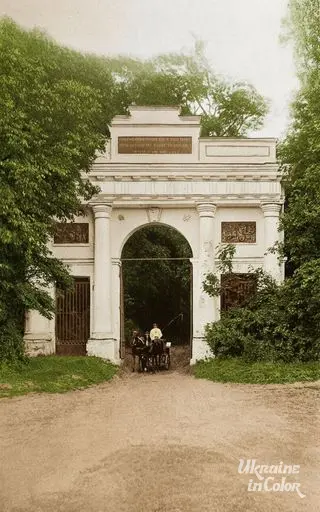
Triumphal Arch
Prince Kochubey's estate. Triumphal arch
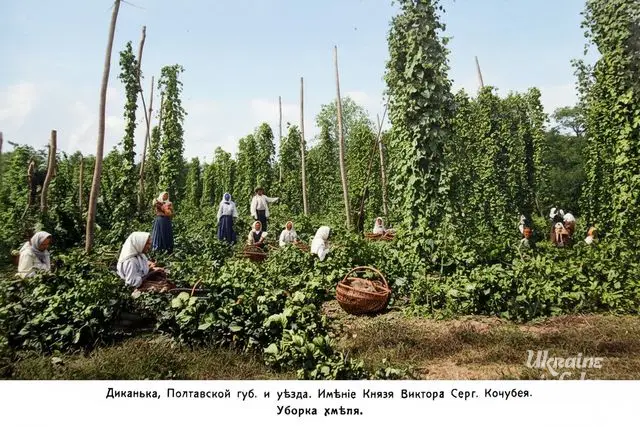
Dikanka. Hop harvest
Dykanka. Mazepa's Oak
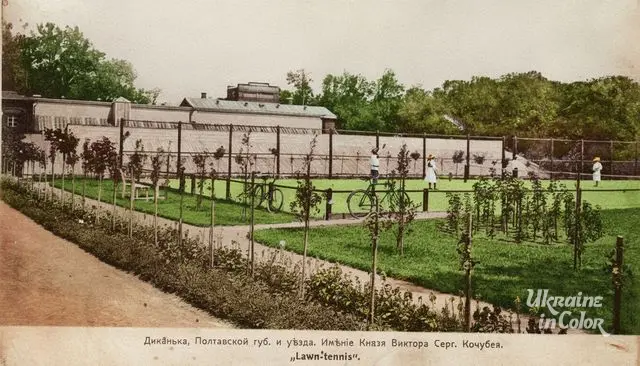
Dikanka. 19th century. In the Kochubey estate they play the so-called lawn tennis (grass tennis).
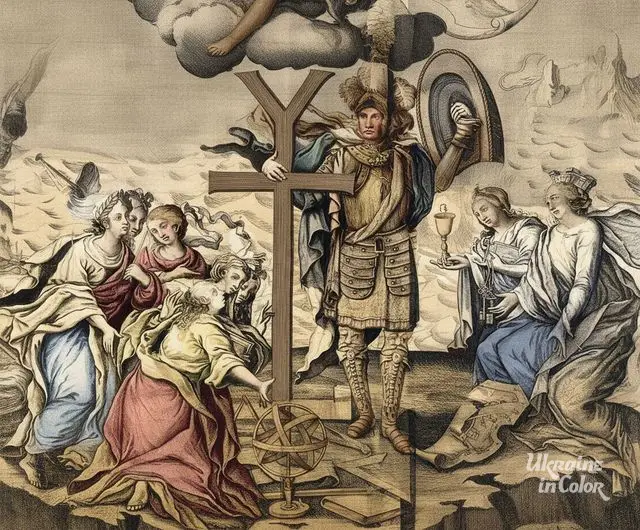
Daniel Galachowski (Danylo Haliakhovskyi), The Triumph of Hetman Ivan Mazepa, 1708, engraving, detail, Warsaw National Museum.
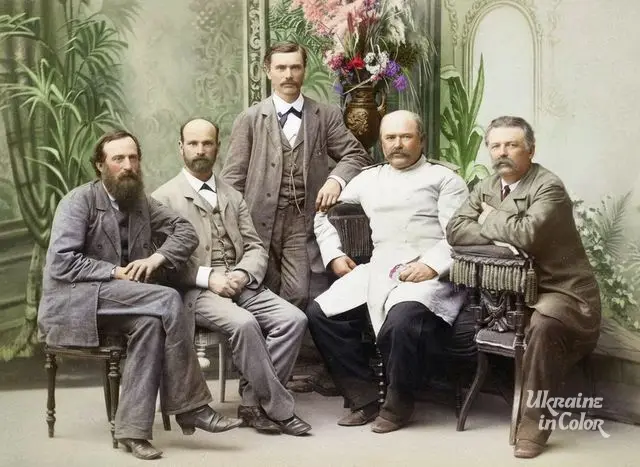
Ukrainian laborers around 1873. From left to right: Tadej Rylsky, William Berenstam, Volodymyr Antonovych, F. T. Panchenko, Borys PoznanskyThese people personify the Ukrainian national revival of the second half of the 19th century, in particular the activities of the Kyiv community (Old community).
They represent the phenomenon of culturalism - an intellectual and educational movement of the Ukrainian elite, which aimed to preserve and develop national identity in the face of imperial repressions (such as the Valuev Circular and the Ems Decree).
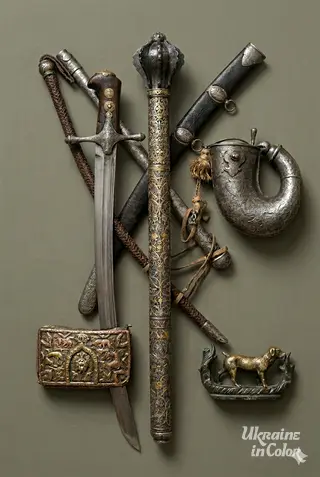
Cossack weapons: Pernach, saber, powder magazine, two flintlocks, whip.
Ostapiv Veselka Kom Ephraim Krevey
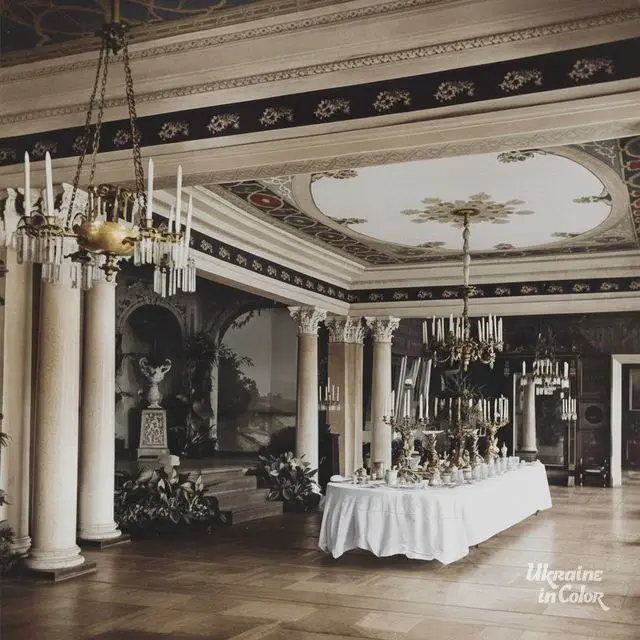
Dining room. In the niche (behind the wolf) under G.S. Tarnovsky in 1838 in the presence of M.I. Glinka, the first excerpts of "Ruslan and Lyudmila" were performed
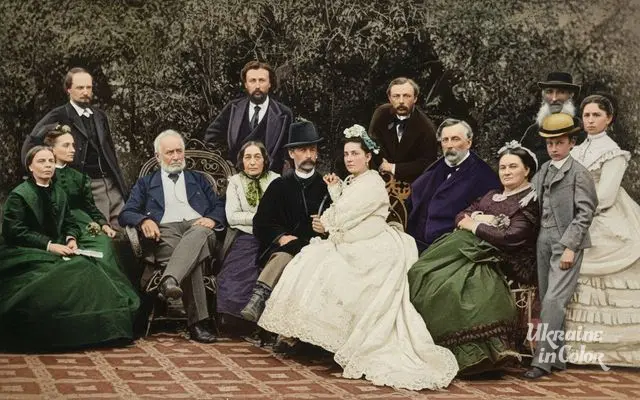
Group portrait of the Tarnowskis with guests in Kachanivka. 1860s
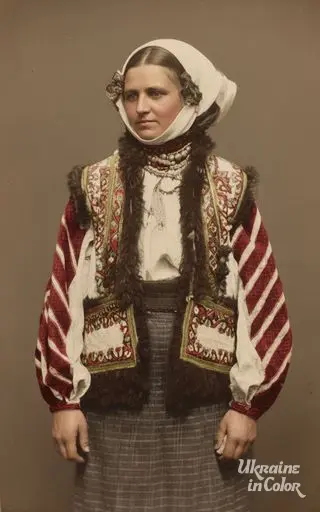
Young lady Brustura
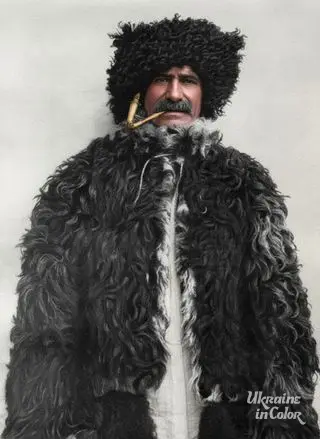
Hutsul in a sheepskin coat
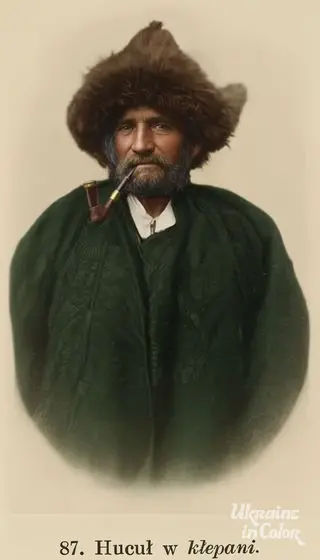
Hucul
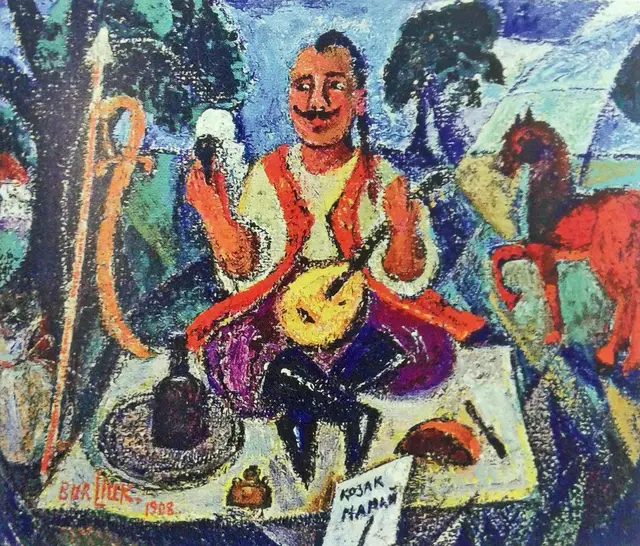
Cossack Mamai
Ukrainians
Living Echo of the Cossack Elite: Georgiy Narbut in Paraska Apostol’s Kontusz with Kelep and Colonel MiloradovychIn the photograph, Georgiy Narbut stands in the Cossack hall of the Tarnovsky Museum (now a room of the Chernihiv Regional Library for Youth), fully immersed in a historical Ukrainian image. He is dressed in the kontusz of Paraska Apostol, daughter of Hetman Danylo Apostol, holding a kelep in his right hand, while to his right stands Colonel Mykhailo “Cannon” Miloradovych. This staged yet documentary scene shows Narbut not just studying Cossack-era artifacts, but literally wearing them, turning himself into a living embodiment of the Ukrainian noble-Cossack past.
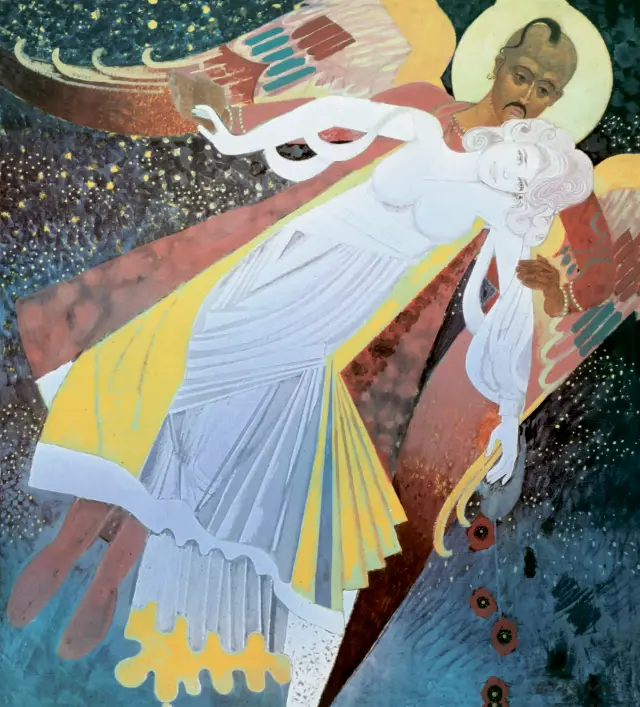
A bright soul. In memory of Alla Horska
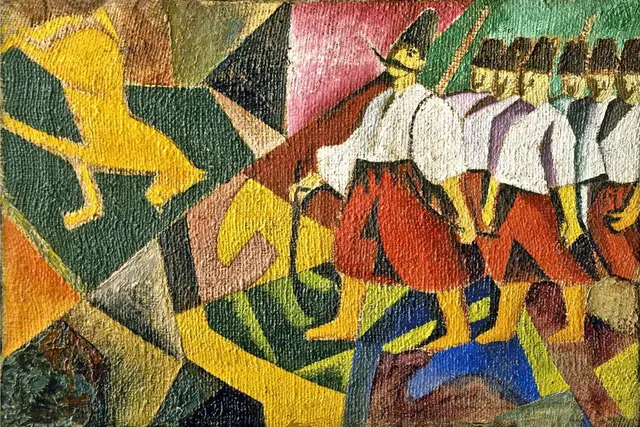
The life of a Cossack
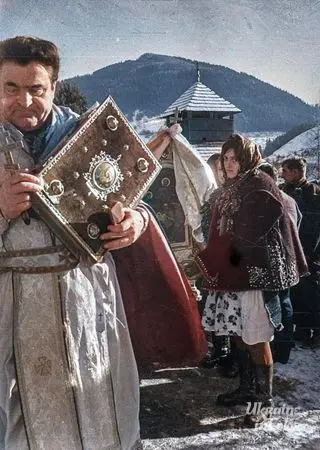
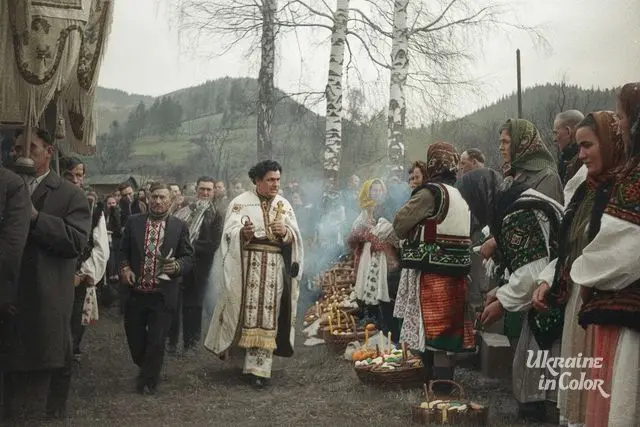
Priest with a psalm during Easter
Traditional blessing of food at Easter
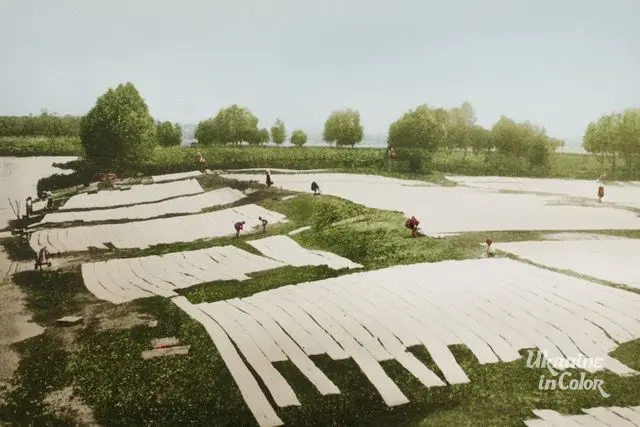
Bleaching canvas near a pond. 1920s. Southern Chernihiv region. P. 35.
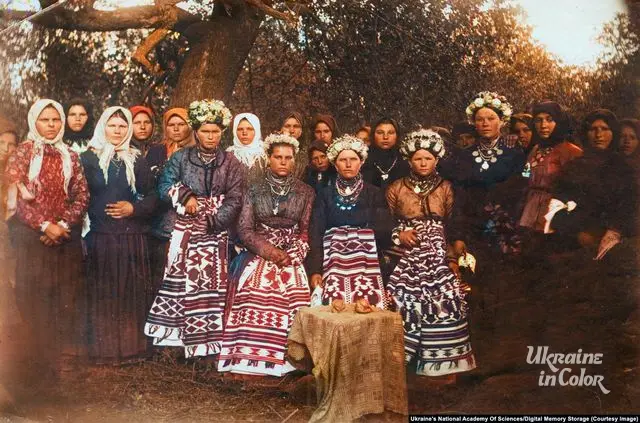
Women and girls, possibly dressed to celebrate a wedding, in Ukraine's Pavlohrad Region in 1909
A wedding ceremony is immortalized in a print found in Fedir Vovk's personal archive.
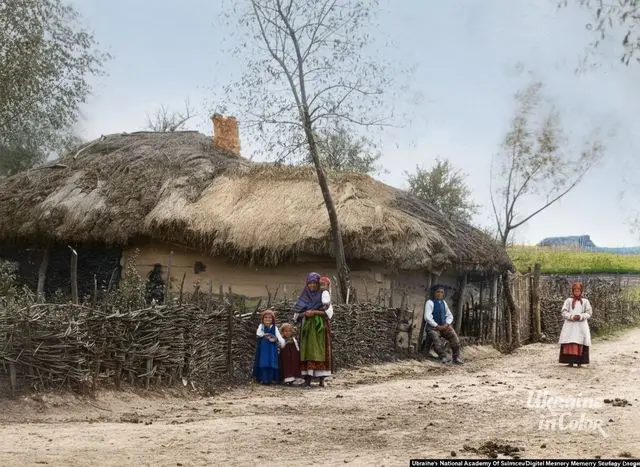
Village houses in Ukraine in the late 1800s or early 1900s
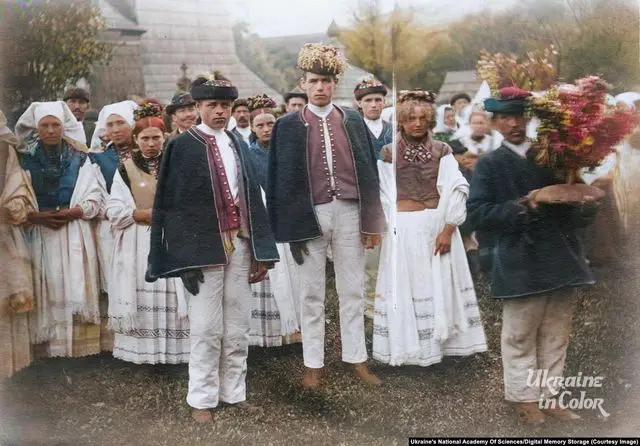
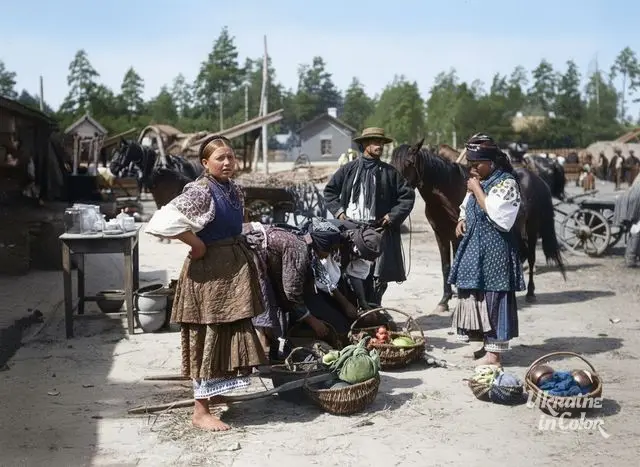
Ukrainian peasants in the Kyiv region in the late 1800s or early 1900s