Українська
    Login
    ProductGalleryShryftorizPublic offer
    CompanyAbout us
    ConnectInstagram
    Copyright© 2026
    Designed and built by NGO "Ukraine in Color"
    Current Status: Public Beta

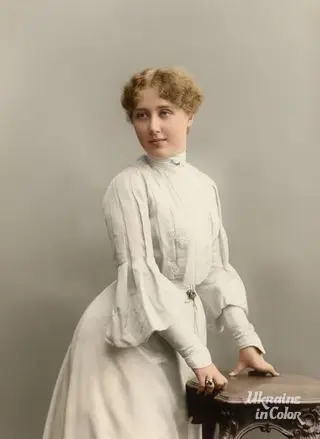
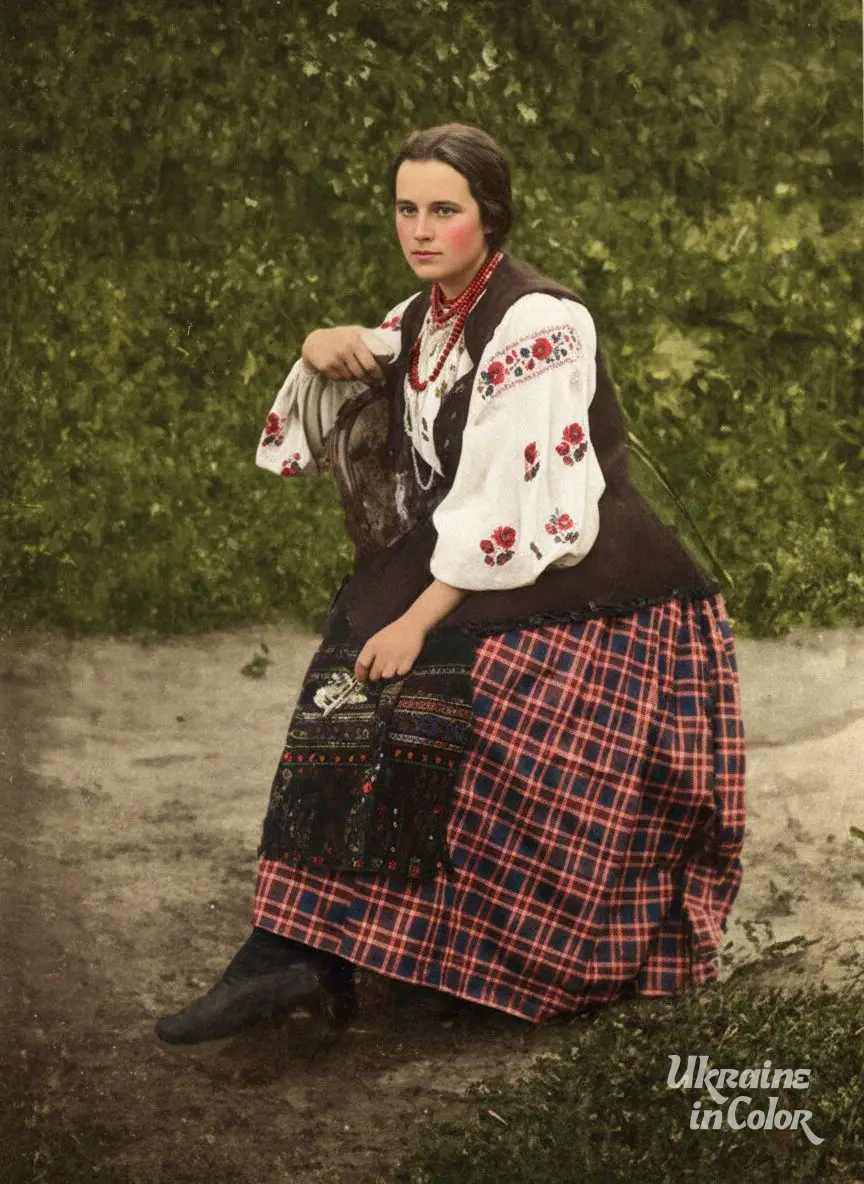
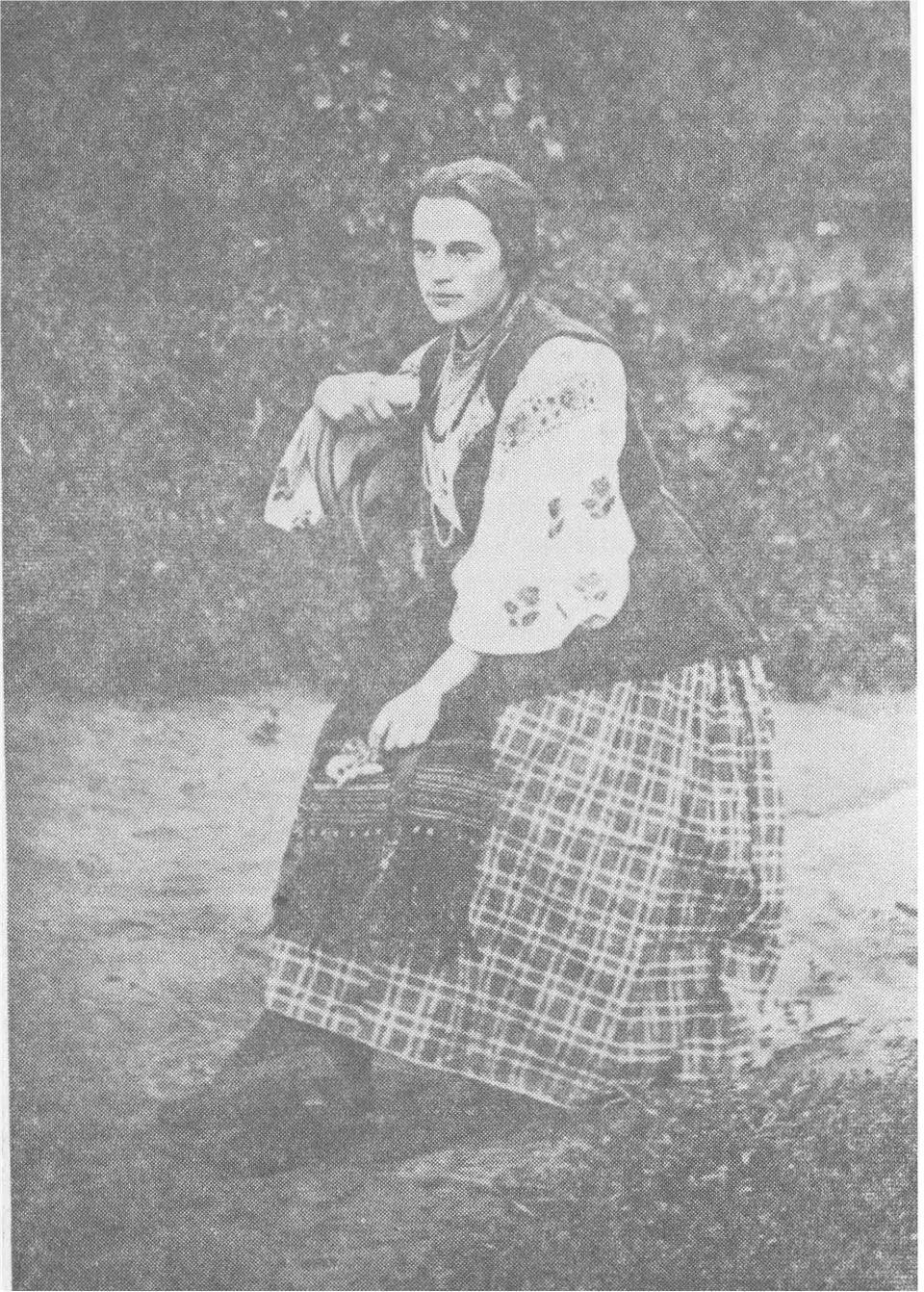
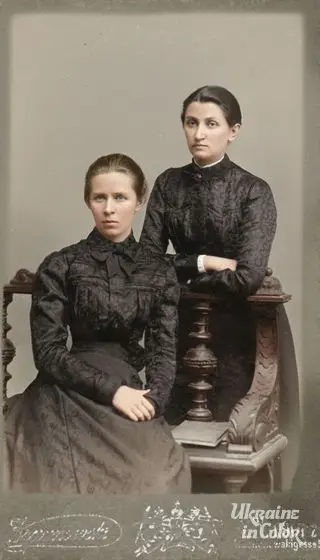
    Valentina Radzymovska: founder of the Ukrainian school of physiologists and biochemists

    Valentyna Radzymovska (1886–1953) was a Ukrainian physician and scientist who was one of the first in the world to study the influence of acid-base balance on living cells and laid the foundations of the Ukrainian school of physiologists and biochemists. A professor at Kyiv and Lviv institutions, a participant in the liberation struggle and public and political life, she survived arrest in the case of the “Union for the Liberation of Ukraine”, Nazi occupation, and emigration to Germany and the USA. Leading figures of the Ukrainian movement gathered in her Kyiv apartment, and her scientific works combined laboratory experiments with concern for the health of children and tuberculosis patients. The portrait recreates the image of a woman for whom science, Ukraine, and human dignity were inseparable.
    Original: All rights reservedRestoration: All rights reservedReference to: Original
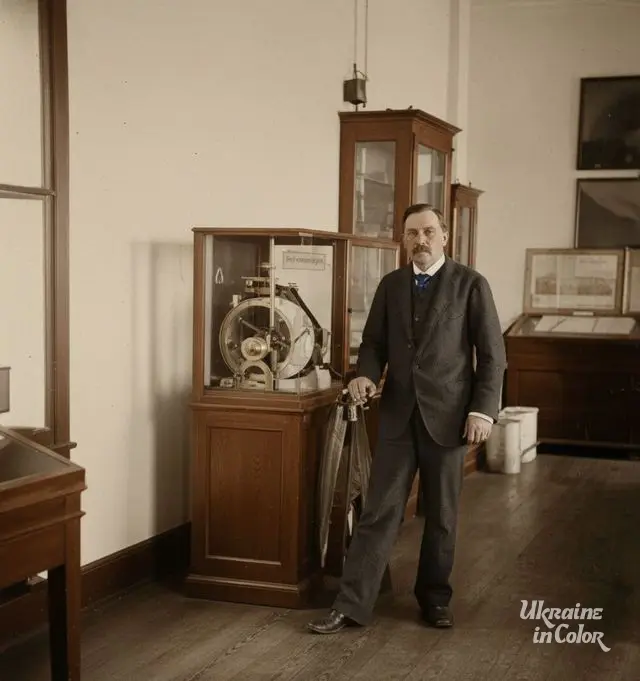
    At the beginning of cinema stood Ukrainian mechanic Yosyp Timchenko together with physicist Mykola Lyubimov, who two years before the discovery of the Lumiere brothers, developed a “snail” – a jumping mechanism.
    At the beginning of cinema stood Ukrainian mechanic Yosyp Timchenko together with physicist Mykola Lyubimov, who two years before the discovery of the Lumiere brothers, developed a “snail” – a jumping mechanism.In 1893, films shot using a kinescope were already being shown in Odessa, thus outpacing the Lumières. But Timchenko failed to patent his device. His kinescope is still stored in the storage rooms of the Polytechnic Museum in Moscow. Timchenko was also the author of automatic meteorological, physical and astronomical instruments, for which he received awards at world exhibitions. He participated in the creation of the first model of the Freudenberg automatic telephone exchange.
    Olga Kobylyanska together with Lesya Ukrainka (Larysa Kosach)
    Olga Kobylyanska together with Lesya Ukrainka (Larysa Kosach)
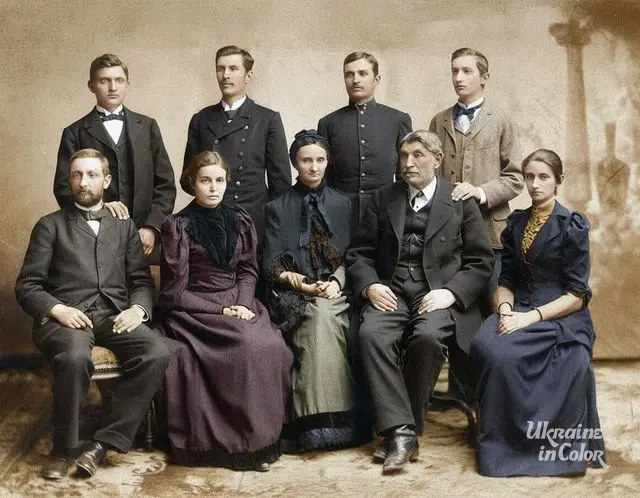
    The Kobyliansky family
    The Kobyliansky family
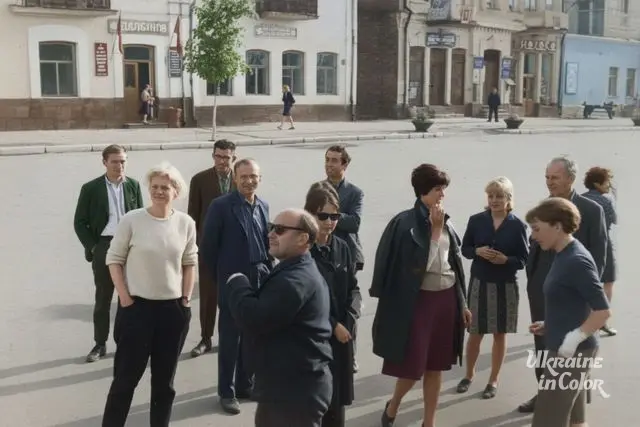
    Alla Gorska during her trip to Ukraine
    Alla Gorska during her trip to Ukraine
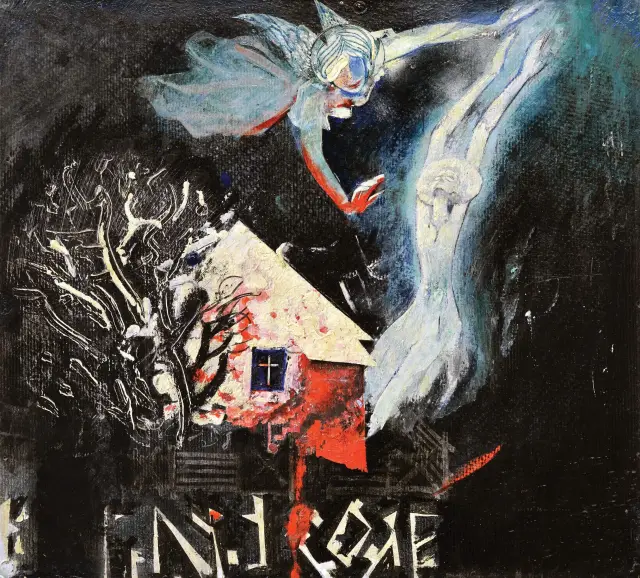
    The Soul of Alla Gorskaya
    The Soul of Alla Gorskaya
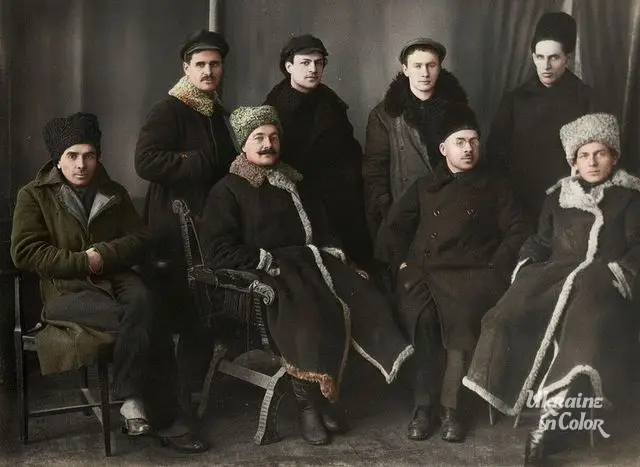
    Delegates to the First All-Union Conference of the Association of Proletarian Writers of the USSR, representatives of Ukraine and Belarus.
    Delegates to the First All-Union Conference of the Association of Proletarian Writers of the USSR, representatives of Ukraine and Belarus. From left to right, sitting: Mykola Khvylovy, Serhiy Pylypenko, Tsishka Gartny, Adam Babareka. Standing: Grigory Epik, Mikhas Charot, Anatol Volny, Mykola Hristovy. Moscow All executed before 1937, Khvylovy - committed suicide.
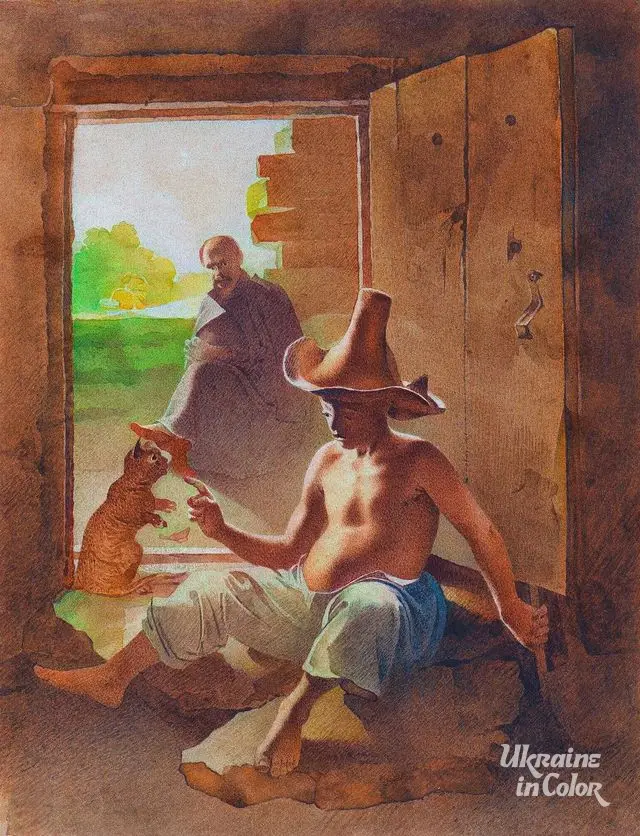
    Taras Shevchenko and a Kazakh Boy Playing with a Cat
    Taras Shevchenko and a Kazakh Boy Playing with a CatSepia drawing by the Ukrainian artist and poet Taras Shevchenko, created between 1856 and 1857. The artwork depicts Shevchenko in the background, observing a Kazakh boy in the foreground who is playing with a cat. The drawing was made while Shevchenko was in exile at Novopetrovsk fortress (now Fort Shevchenko in Kazakhstan) on the Mangyshlak Peninsula. During his ten years in exile, he was officially forbidden from writing or painting. However, he continued his artistic work secretly with the support of friendly locals and his friends. He was assigned to a geological expedition, which provided him with opportunities to sketch. The drawing is in the collection of the National Museum of Taras Shevchenko in Kyiv, Ukraine.
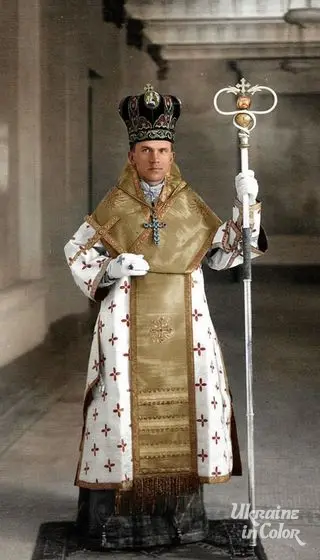
    Bishop-Martyr Nykyta Budka
    Bishop-Martyr Nykyta BudkaA book presentation was held in Rome last week for the launch of a new biography of the first Ukrainian Greek Catholic Bishop of Canada, Blessed Nykyta Budka. Major Archbishop Sviatoslav Shevchuk of Kyiv-Halych was present for the book launch, along with Bishop Borys Gudziak of Paris and Bishop Hlib Lonchyna of London. “God’s Martyr, History’s Witness,” by Father Athanasius McVay, was commissioned by the Ukrainian bishops of Canada for the commemoration of the 100th anniversary of Bishop Budka’s arrival in Canada. Bishop Budka began his ministry in Canada in 1912, just before the beginning of the first World War. After 15 years in Canada, he returned to his native Galicia in what is now Ukraine. During the Soviet occupation of Ukraine following World War II, Bishop Budka was imprisoned and deported to Kazakhstan, where he died a martyr’s death.
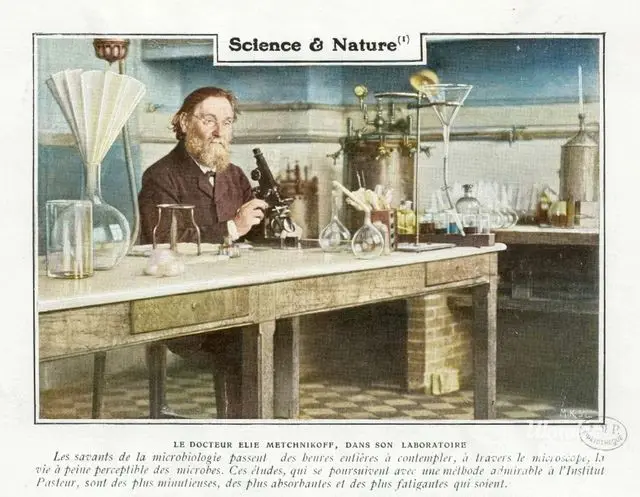
    Doctor Elie Metchnikoff, in his laboratory, Nature & Science
    Doctor Elie Metchnikoff, in his laboratory, Nature & Science
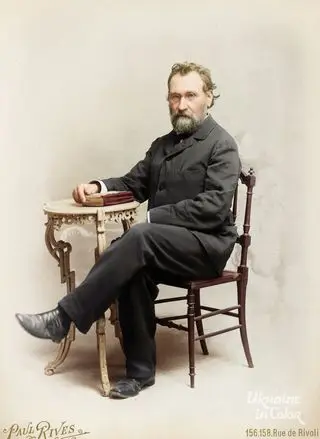
    A portrait of Metchnikoff
    A portrait of Metchnikoff
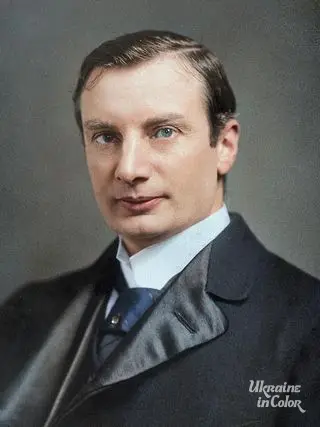
    Dr. Waldemar Haffkine. The Savior Mankind Never Knew
    Dr. Waldemar Haffkine. The Savior Mankind Never Knew
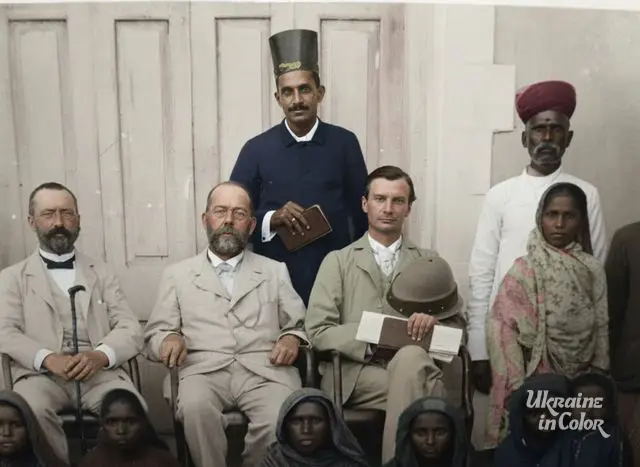
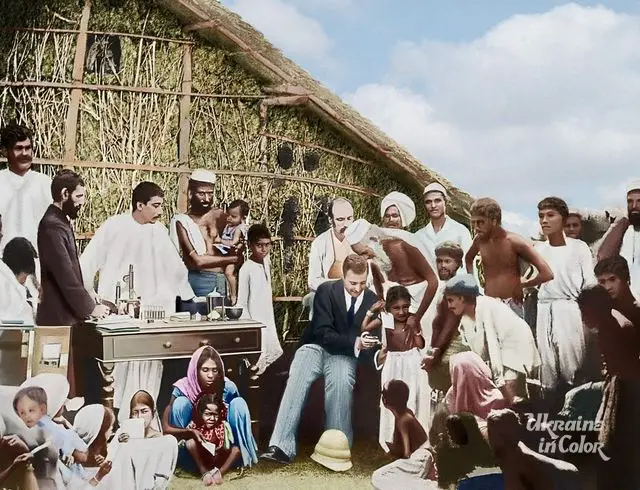
    Waldemar Haffkine together with Nobel Laureate Robert Koch in Daman
    Waldemar Haffkine together with Nobel Laureate Robert Koch in Daman
    The first woman elected as adjunct professor of the University of St. Volodymyr - Polonska-Vasylenko
    The first woman elected as adjunct professor of the University of St. Volodymyr - Polonska-Vasylenko
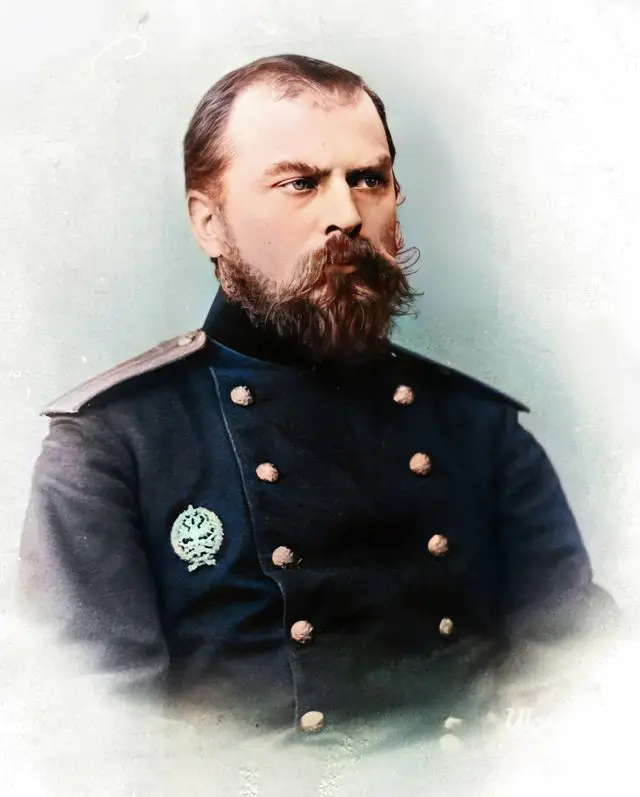
    Father of the electric tram - Fedir Pirocki
    Father of the electric tram - Fedir PirockiUsing and relying on Pirockyj's scientific developments, Werner von Siemens created the first electric trams in Europe. What did Pirocki do a year later in Kyiv.
    Haffkin saves the world from Cholera
    Haffkin saves the world from CholeraHe studied at Odessa University, from where he was expelled for participating in the political organization "Narodna Volya". After refusing to use anti-cholera vaccination in a number of European countries, Volodymyr Khavkin worked in India from 1896, where he created the first ever vaccine against cholera.
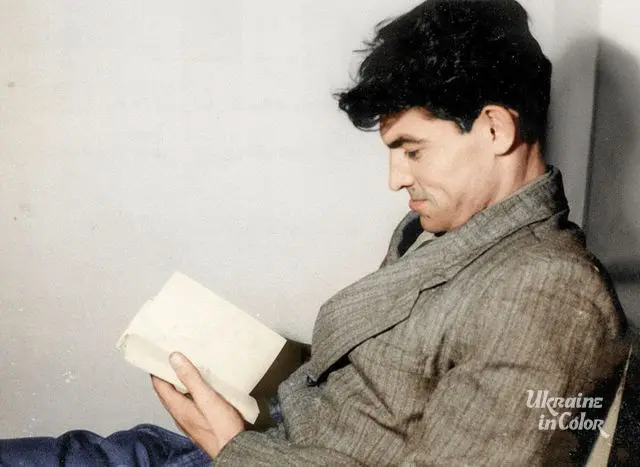
    A symbol of the fight for independence - poet Vasyl Stus reading
    A symbol of the fight for independence - poet Vasyl Stus reading