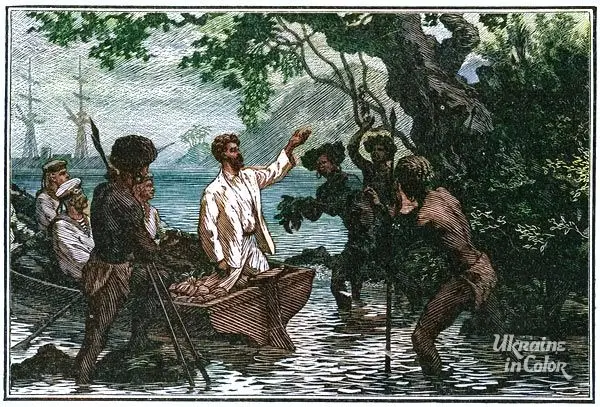
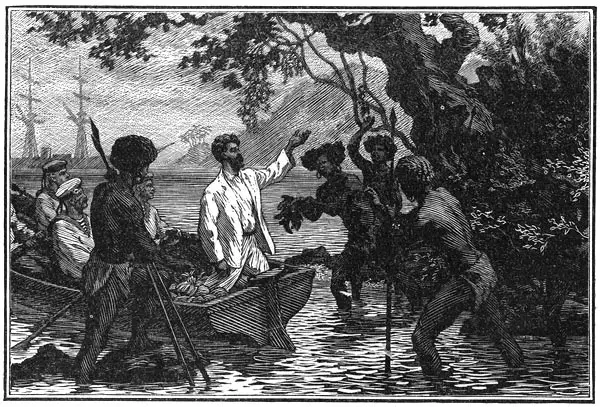
Macluho-Maclay arrives on the island | Ukraine in color
Macluho-Maclay arrives on the island
Original: All rights reservedRestoration: All rights reserved
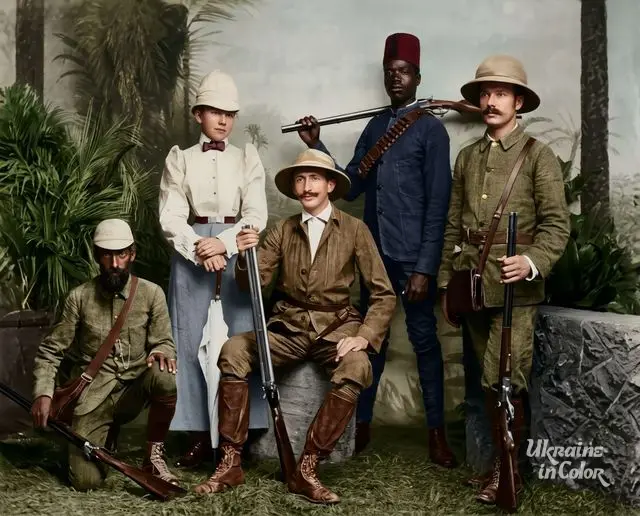
Count Potocki with hunters, Ceylon, 1896A group portrait in pith helmets with rifles against a palm backdrop. From his journeys Potocki brought back not only trophies but notes, photographs and drawings, now digitised in the Polish Polona library.
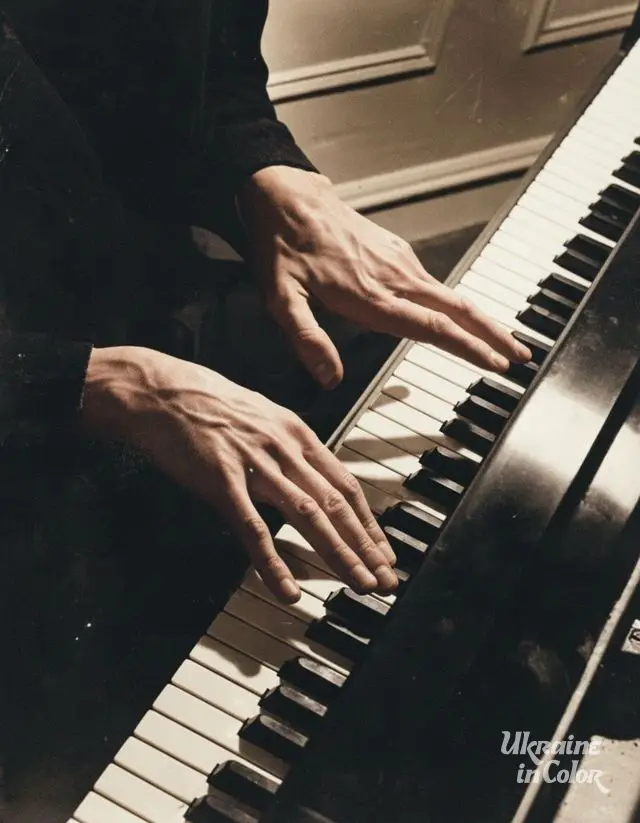
Hands of Alexander Brailowsky
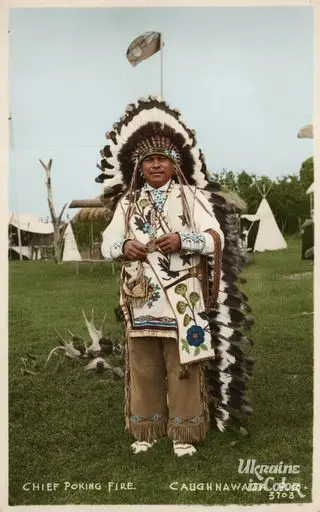
Ivan Dotsenko - pilot-Indian chief
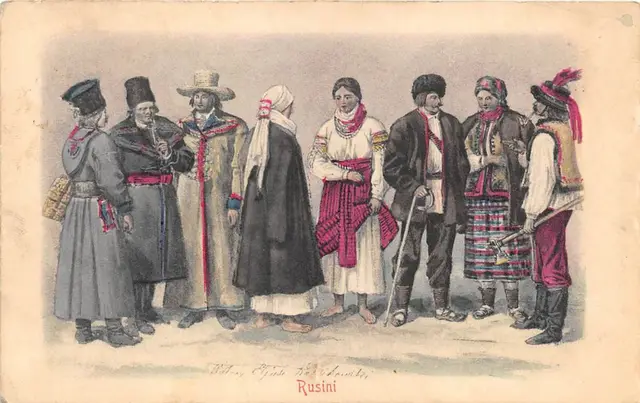
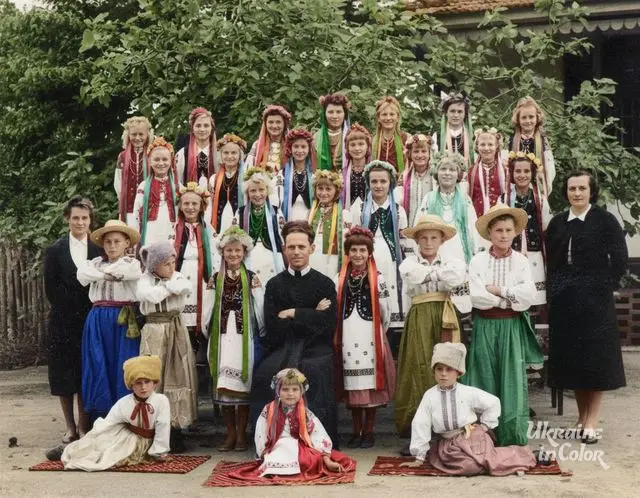
Ruthenians
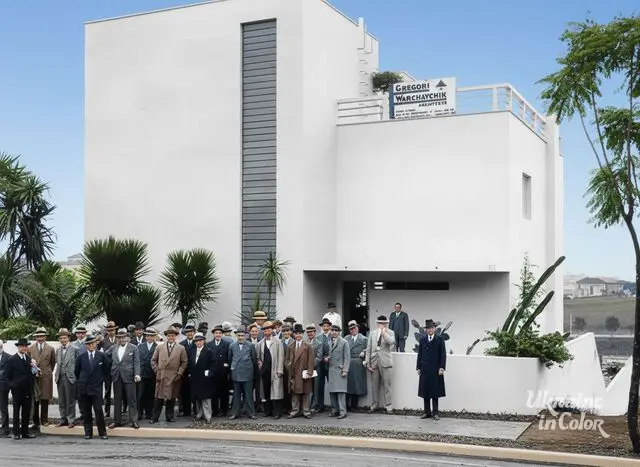
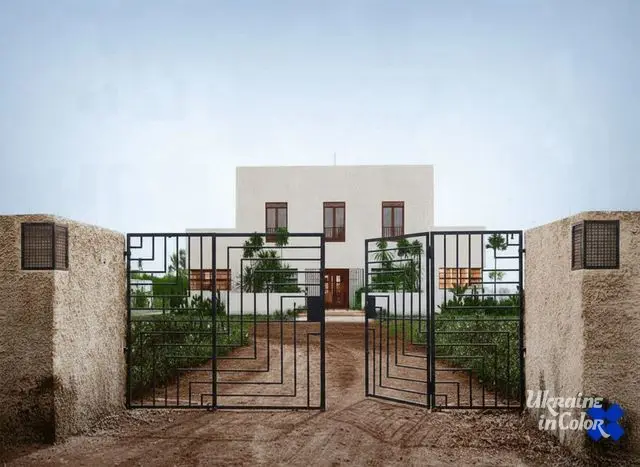
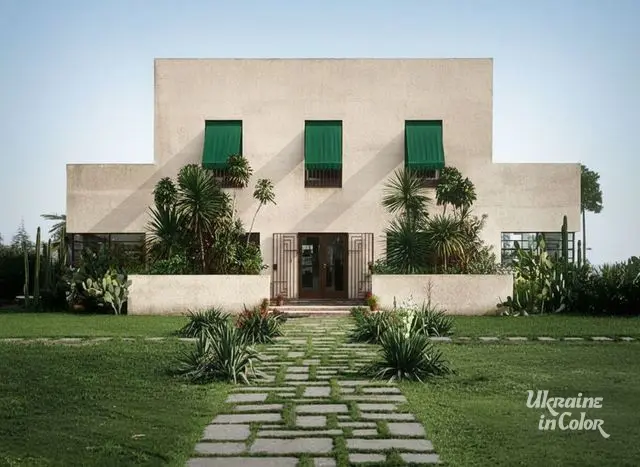
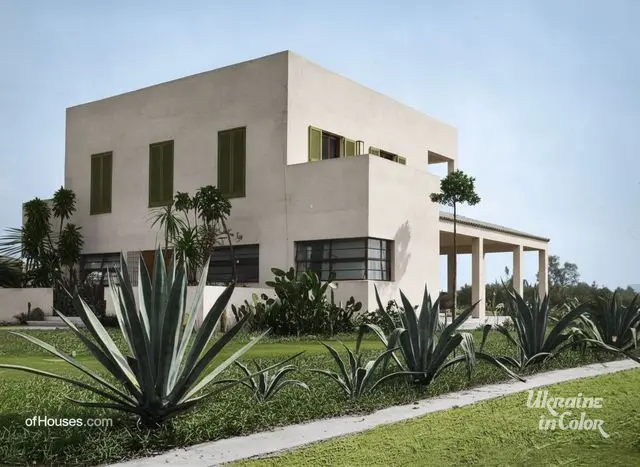
Classical Architecture: Modernist House on Rua Bahia
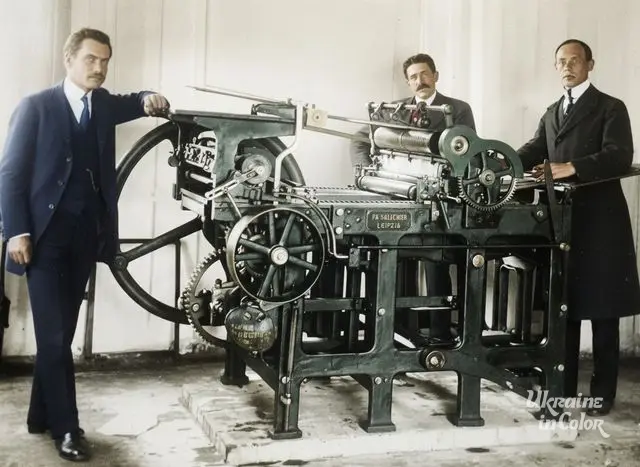
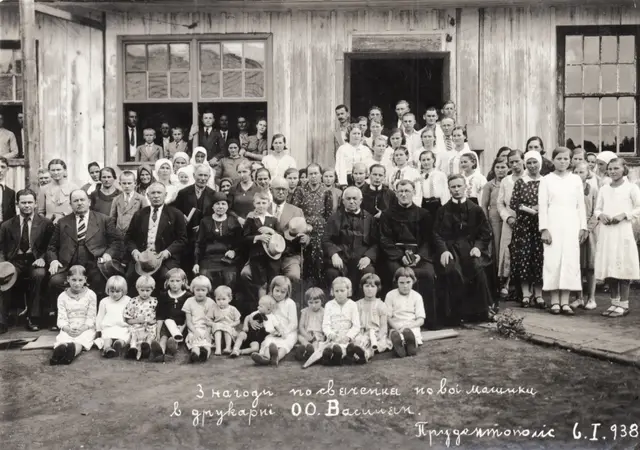
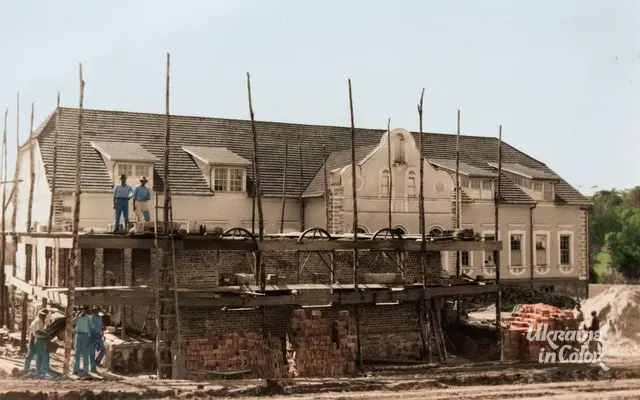
The first printing press in Prudentopolis
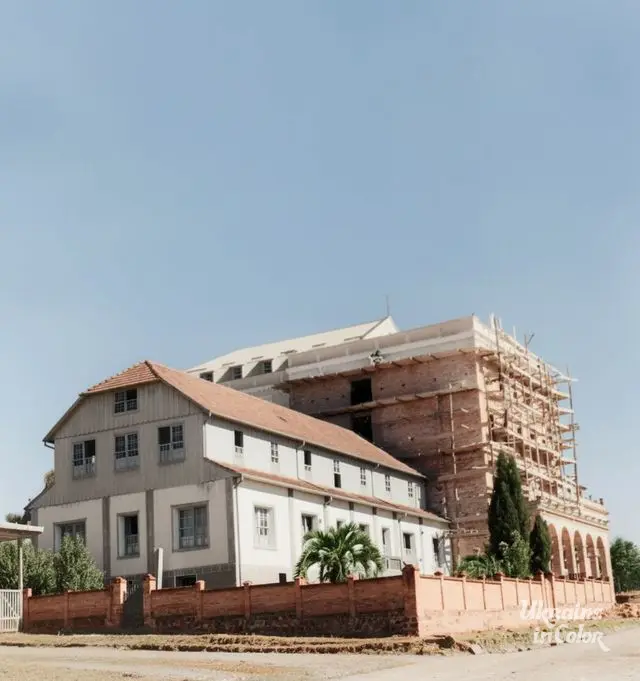
Father Athanasius. The grand opening of the new printing house in 1938.
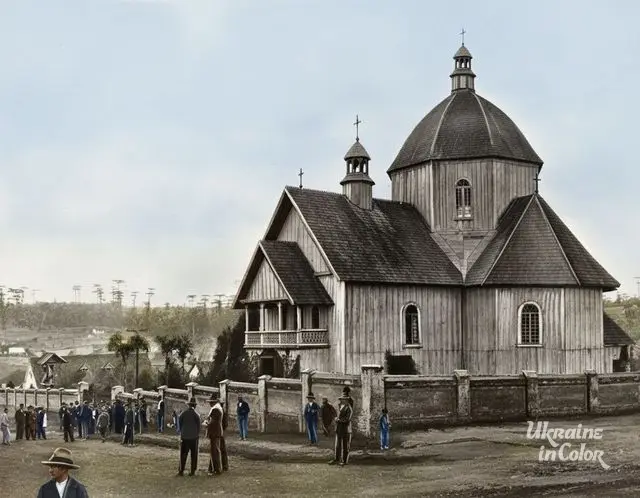
Father Athanasius, 1st Ukrainian Church
Ostapiv Veselka Kom Ephraim Krevey
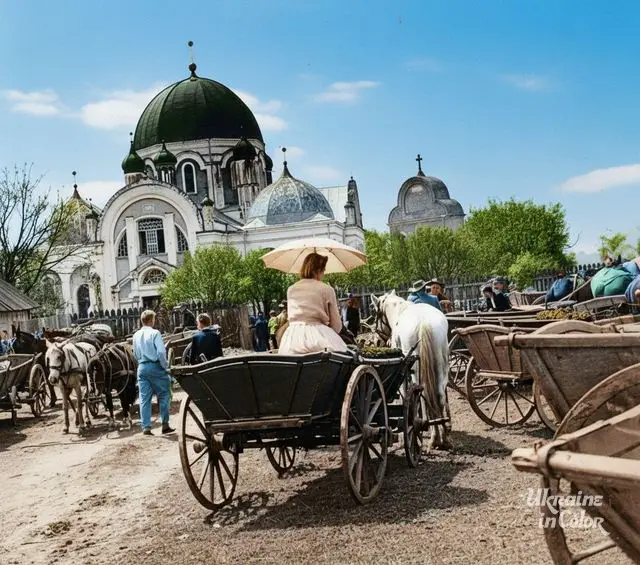
Church with carriages
Seminary of Mercia Guimaraes
Sister of Josaphat I. Raphael
Sister Josaphat College is expanding
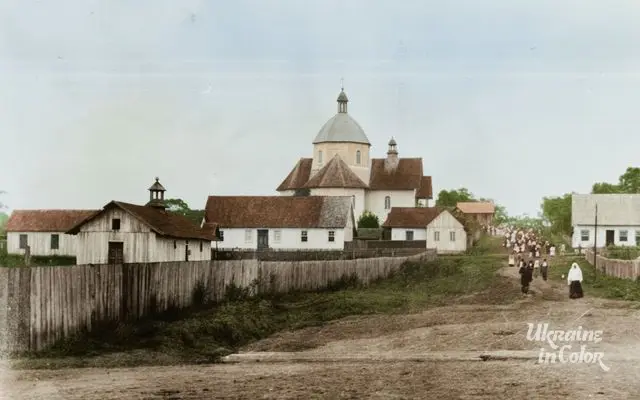
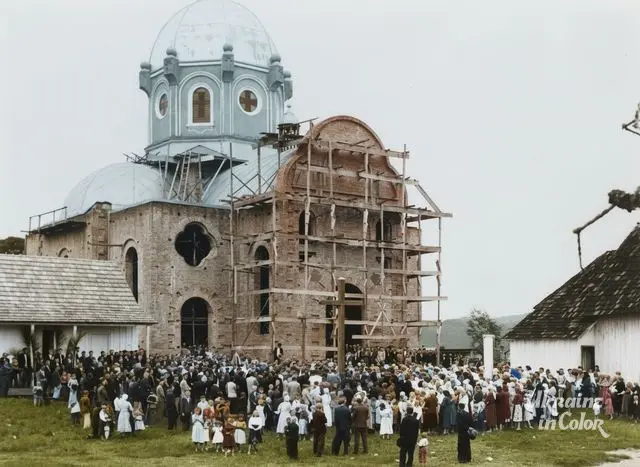
Church of St. Basil the Blessed in Prudentopolis
Church of Hope Ternoski
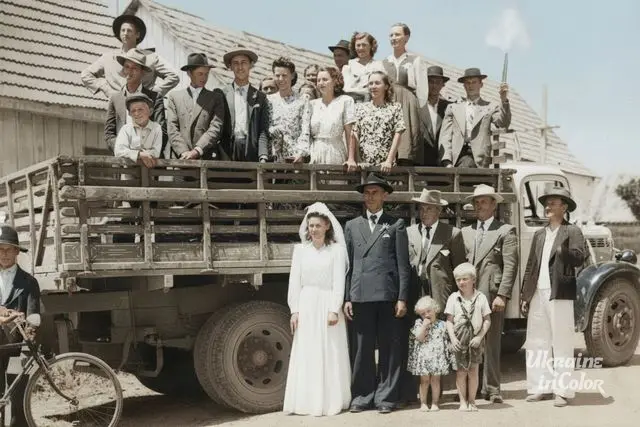
Wedding of Anair Lopez
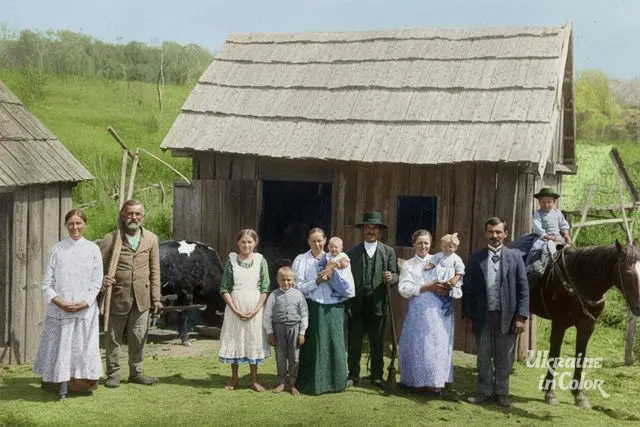
Father Athanasius' Immigrants
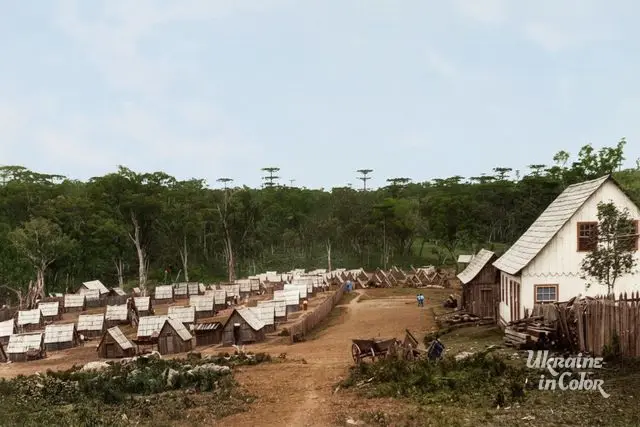
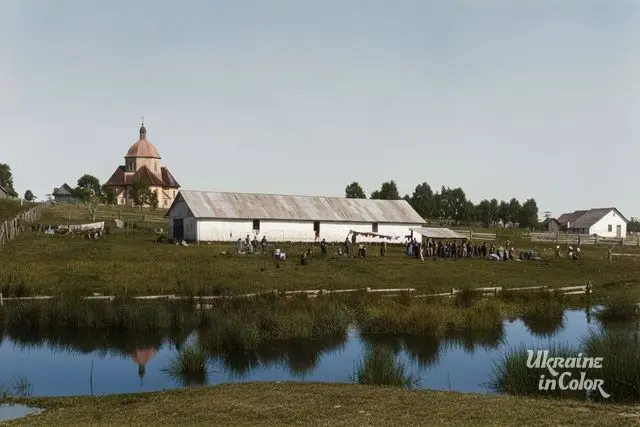
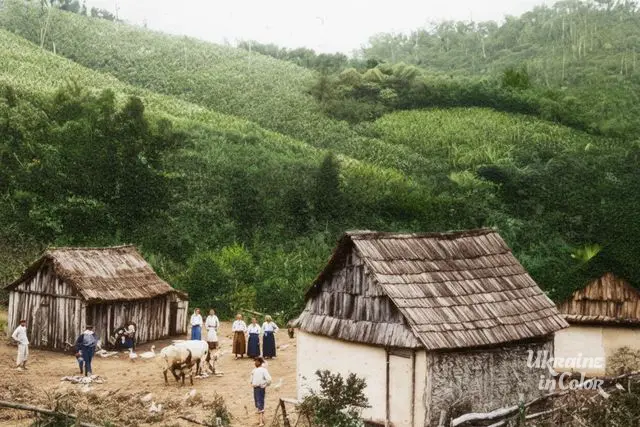
Father Atanasio's Immigrant Barracks 1896
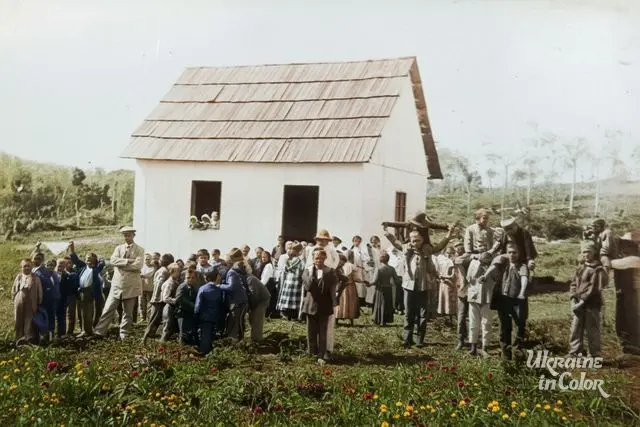
Marcelo Escolinha Immigrants
Father Atanasio's Immigrant Barracks
Brazilian Ukrainian Immigrants in senador Correa Machado
Tumblr NzhwjehkAI1twhq1io2 1280
Tumblr NzhwjehkAI1twhq1io7 1280
Tumblr NzhwjehkAI1twhq1io6 1280
Tumblr NzhwjehkAI1twhq1io5 1280
Tumblr NzhwjehkAI1twhq1io4 1280
Tumblr NzhwjehkAI1twhq1io1 640
Tumblr NzhwjehkAI1twhq1io9 1280
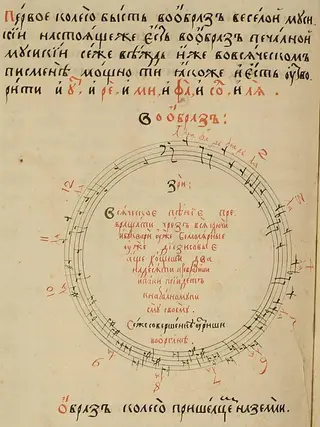
fragment of "Musical Grammar" by M. Dyletsky.A native of Kyiv, Mykola Dyletsky is called the creator of the Western school of partes music, which gave the world a number of outstanding composers.
He wrote the theoretical work “Musical Grammar” — a monument of the Ukrainian Baroque — which was published exactly 350 years ago in Vilna (now Vilnius). In it, Dyletsky explained in detail the technical features of partes singing and composition.
And what is important! In this work, he was the first in the world to describe the circle of fifths — as a graphic diagram by which a musician can trace the harmonic connections between all major and minor keys of 12 notes. For composers, this work made it easier to write music.
This is really worth paying attention to… The work “The Resurrection Canon” by Mykola Dyletsky. Please listen.
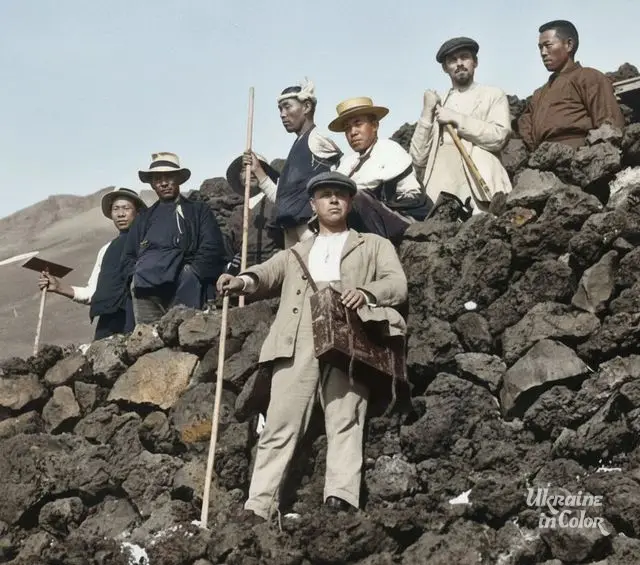
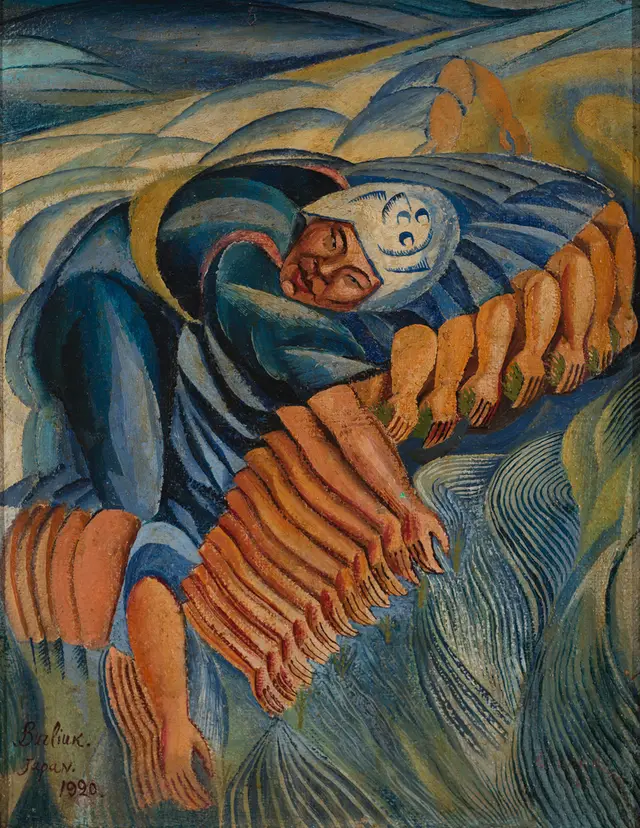
David Burliuk and Vaclav Fiala. Climbing Mount Fuji.
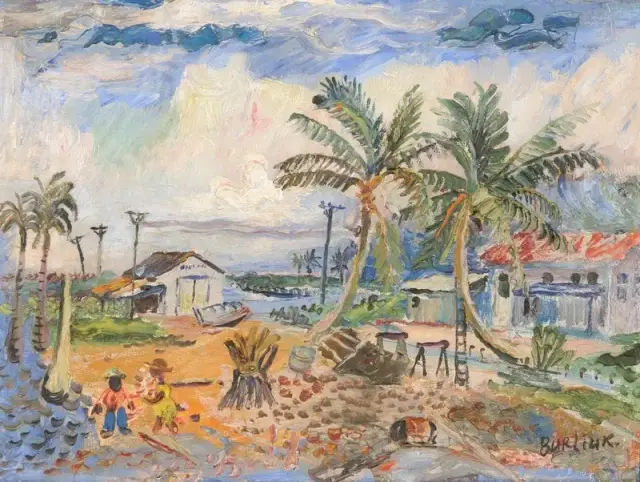
Florida
Japanese Woman Planting Rice
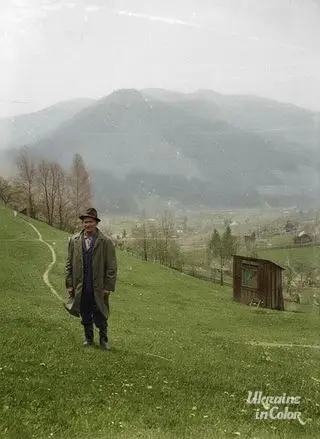
Man against the background of mountains
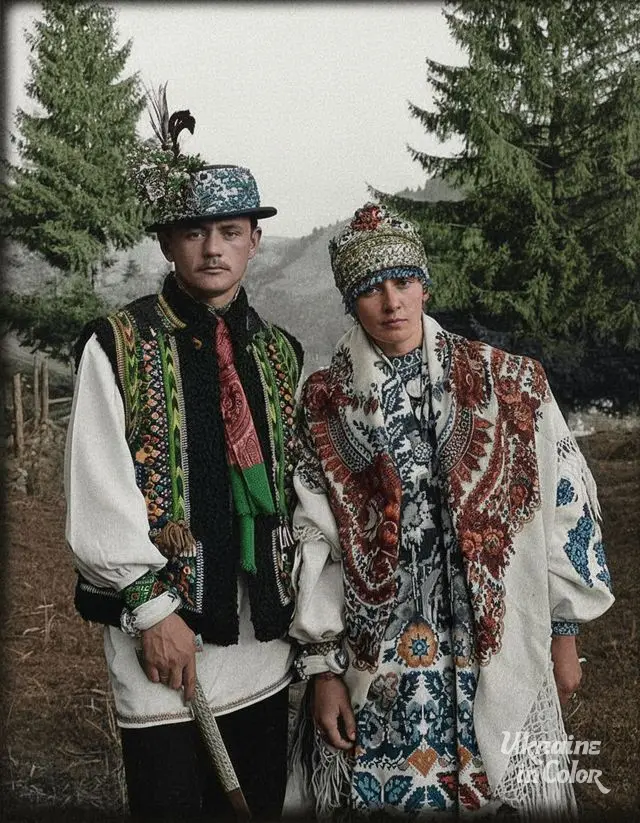
Couple in festive traditional attire
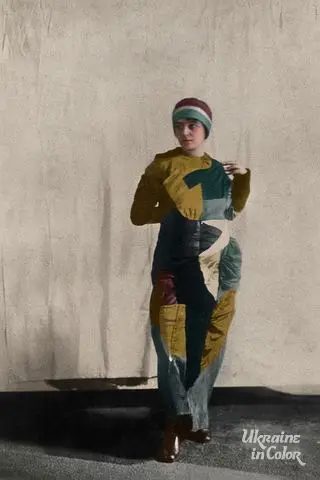
Sonia Delaunay in Simultaneous dress
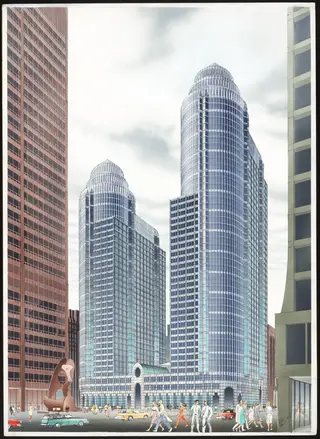
Block 37 Proposal, Chicago, Illinois, PerspectiveBlock 37, the parcel of land in the heart of Chicago’s Loop bordered by State, Randolph, Dearborn, and Washington Streets has stood idle for years in spite of numerous ideas for the construction of new buildings. The redevelopment of the block was originally conceived by Mayor Richard J. Daley in the 1970s to transform the site of old, inferior, low-rise buildings into new and larger buildings with more intensive uses in keeping with the downtown area. The site has been the object of several unsuccessful attempts at development over the years. Architect Helmut Jahn, working for the joint venture development company FJV, prepared several schemes for the site between 1983 and 1987. All of these plans envisioned a giant atrium that would permit continuous movement of pedestrians throughout the block. The developers’ failure to secure a anchor tenant for the development—along with delays by the City and the worsening economic situation—cast doom on the project.
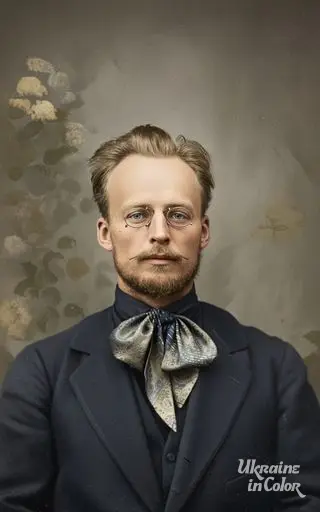
Oleksandr Bogomazov
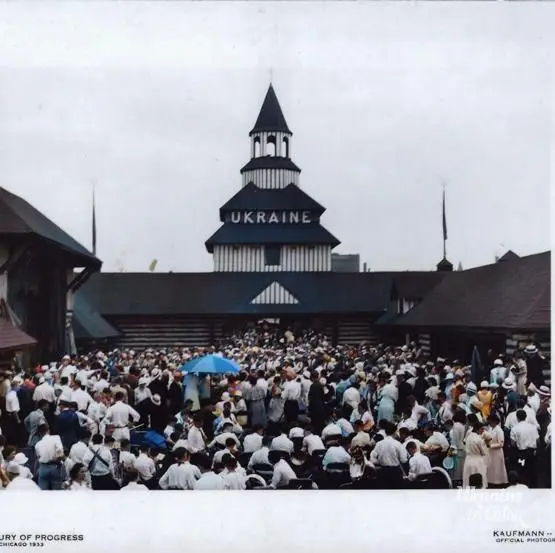
Ukrainian Pavilion at the 1933 World's Fair in Chicago.
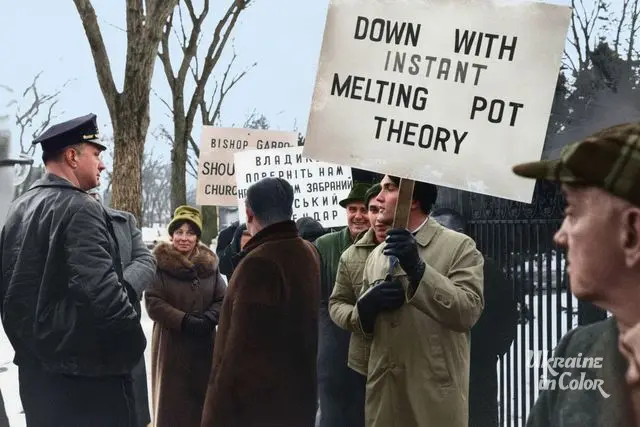
Parishioners arrived, to protest the changes made to the church calendar in ChicagoBishop Jaroslav Gabro, of the Ukrainian rite of the Roman Catholic Church, was absent from his Oak Park home when parishioners arrived on Jan. 20, 1968, to protest the changes made to the church calendar.
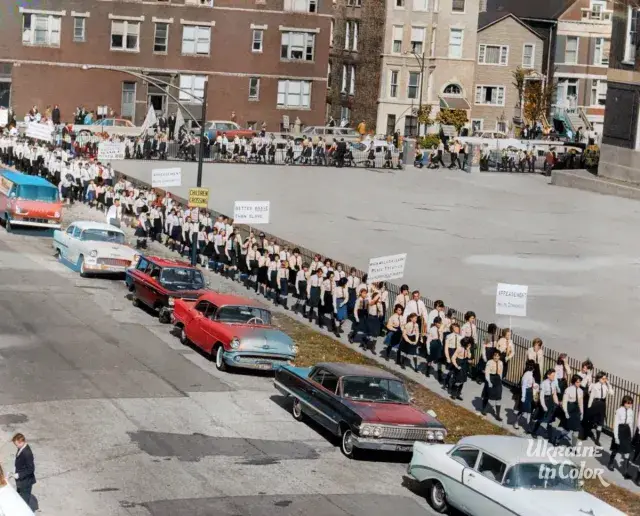
People of Ukrainian descent march at Western and Rice avenues on Oct. 13, 1963, in remembrance of the 30th anniversary of the Holodomor, a famine in Soviet Ukraine that killed millions of Ukrainians.People of Ukrainian descent march at Western and Rice avenues on Oct. 13, 1963, in remembrance of the 30th anniversary of the Holodomor, a famine in Soviet Ukraine that killed millions of Ukrainians.