Original: All rights reservedRestoration: All rights reserved
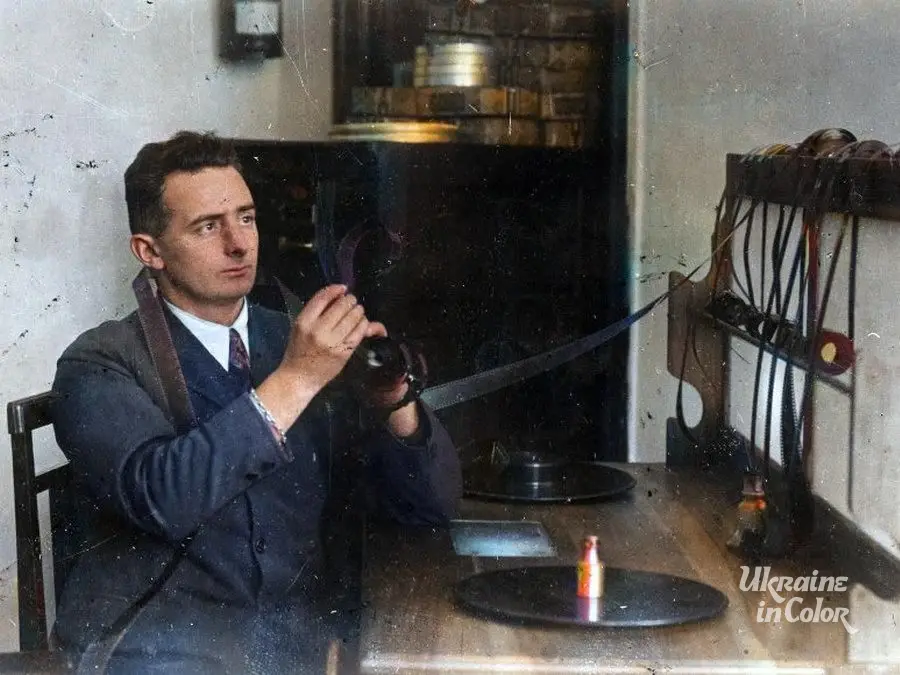
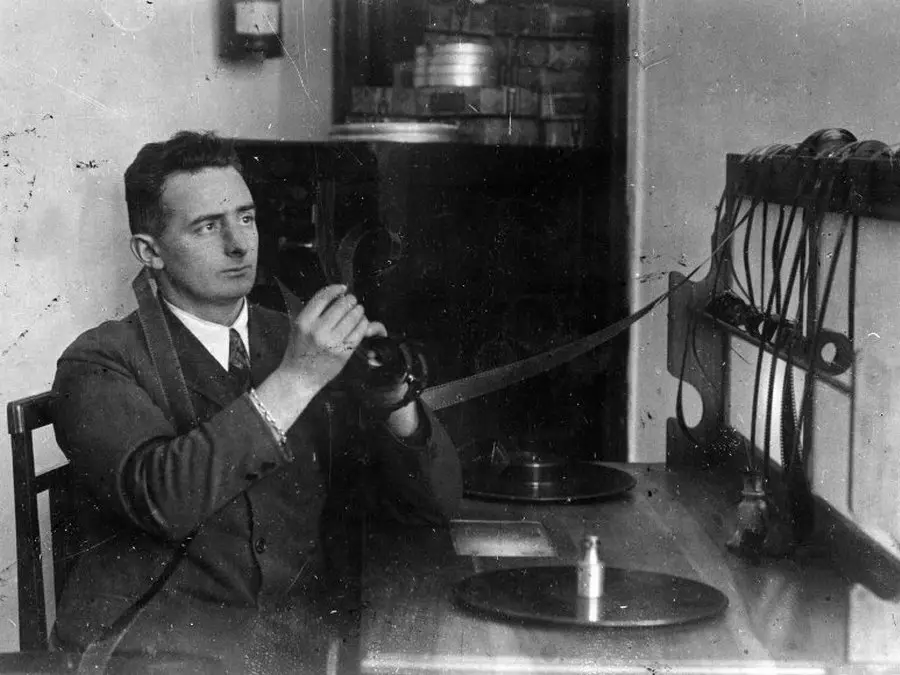
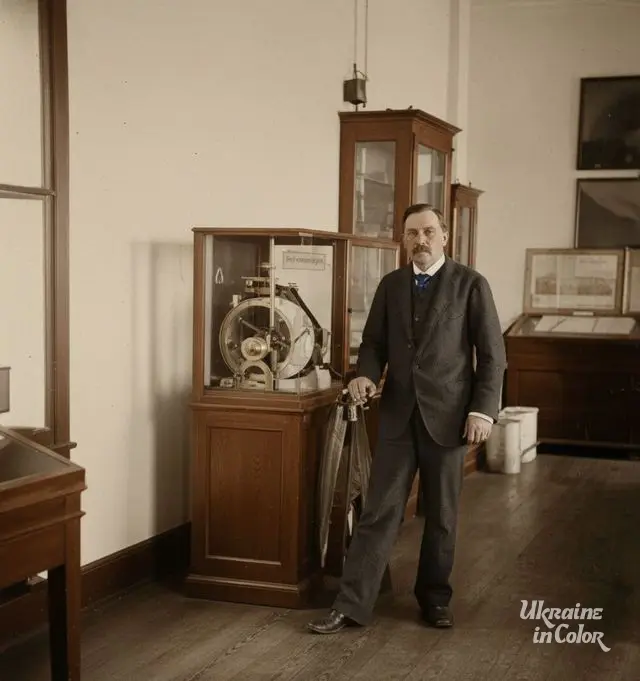
At the beginning of cinema stood Ukrainian mechanic Yosyp Timchenko together with physicist Mykola Lyubimov, who two years before the discovery of the Lumiere brothers, developed a “snail” – a jumping mechanism.In 1893, films shot using a kinescope were already being shown in Odessa, thus outpacing the Lumières. But Timchenko failed to patent his device. His kinescope is still stored in the storage rooms of the Polytechnic Museum in Moscow.
Timchenko was also the author of automatic meteorological, physical and astronomical instruments, for which he received awards at world exhibitions. He participated in the creation of the first model of the Freudenberg automatic telephone exchange.
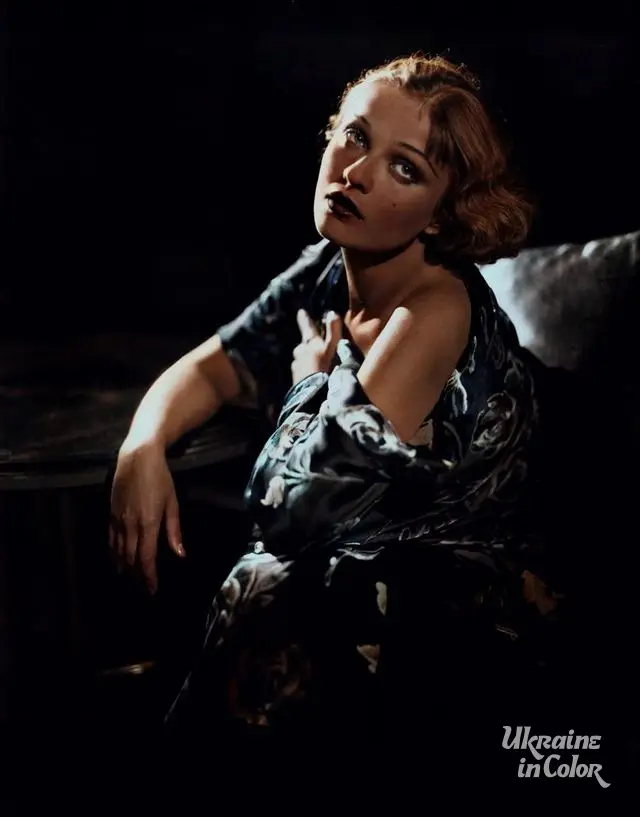
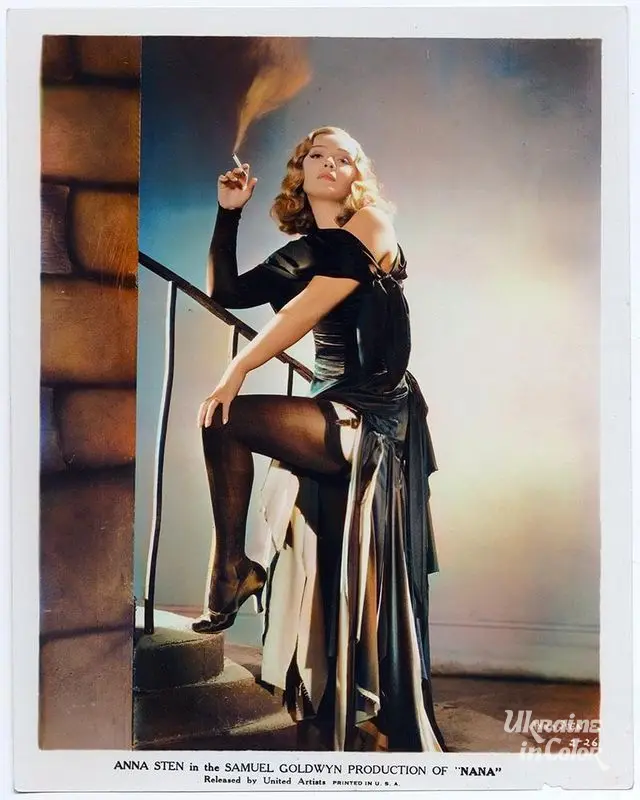
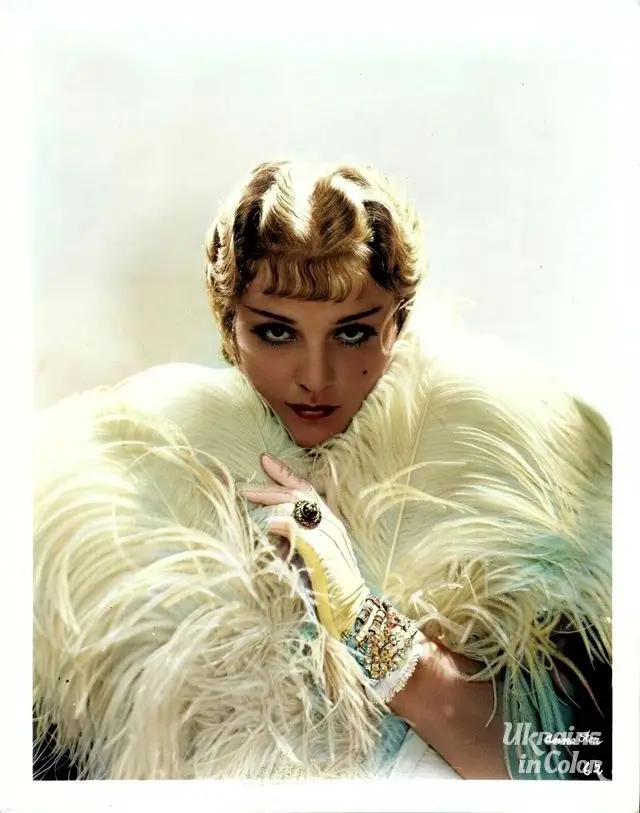
Anna Sten in Nana (1934), dark room
Anna Sten in Nana (1934)
Anna StenUkrainian-born Hollywood actress Anna Sten (1908 – 1993) rose from Kyiv’s theatre scene and early Soviet silents to German talkies before Samuel Goldwyn brought her to the United States, promoting her as “the next Greta Garbo.” Notable films include Nana (1934), We Live Again (1934) and The Wedding Night (1935). Her cosmopolitan career and star-making myth embody the transnational currents of 1930s cinema.
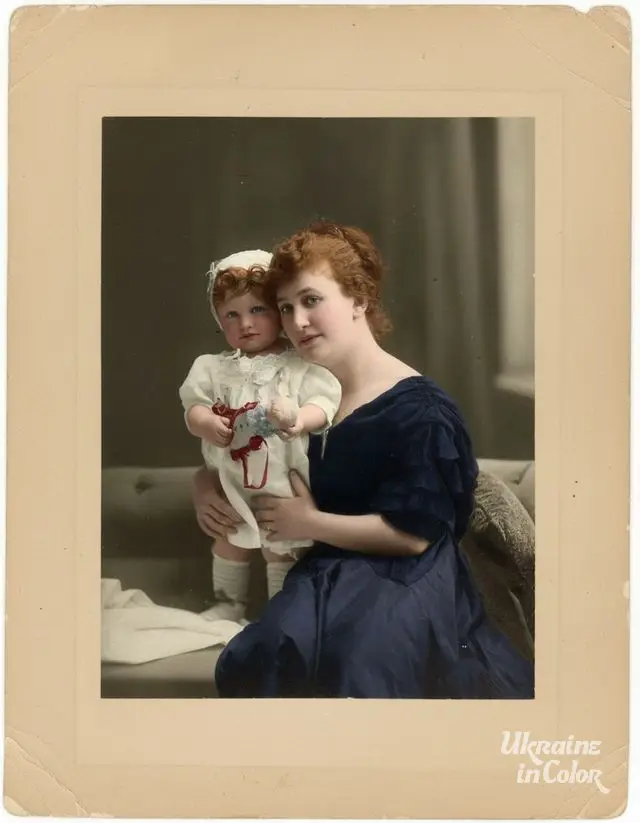
Maya Deren in Kyiv as a child with her mother, 1918
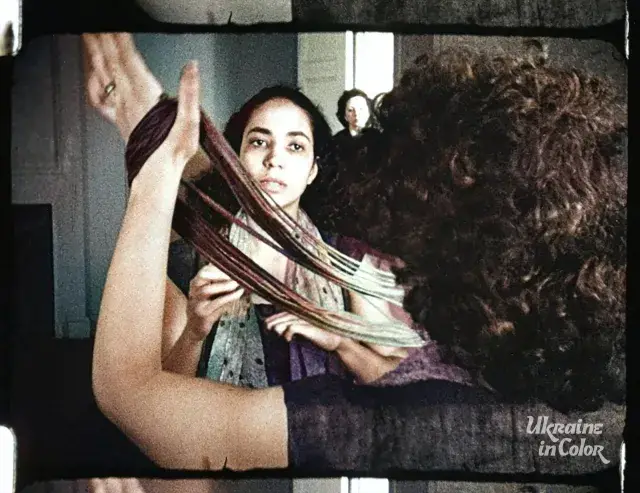
A still from “Ritual in Transfigured Time,” with Rita Christiani, Anaïs Nin, and Deren in the foregr
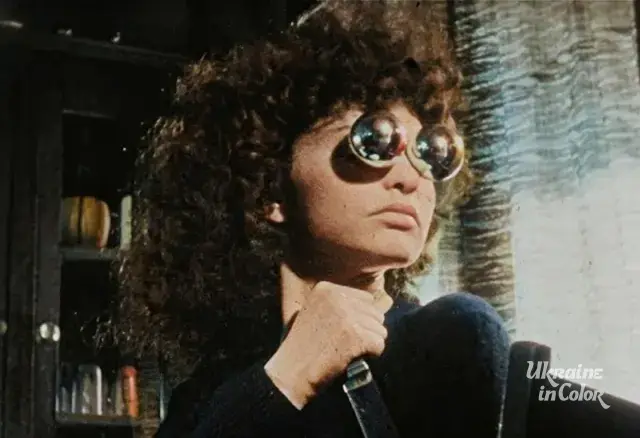
Unknown photograph of Maya Deren
Maya Deren in the scene of the movie "Meshes of the afternoon"
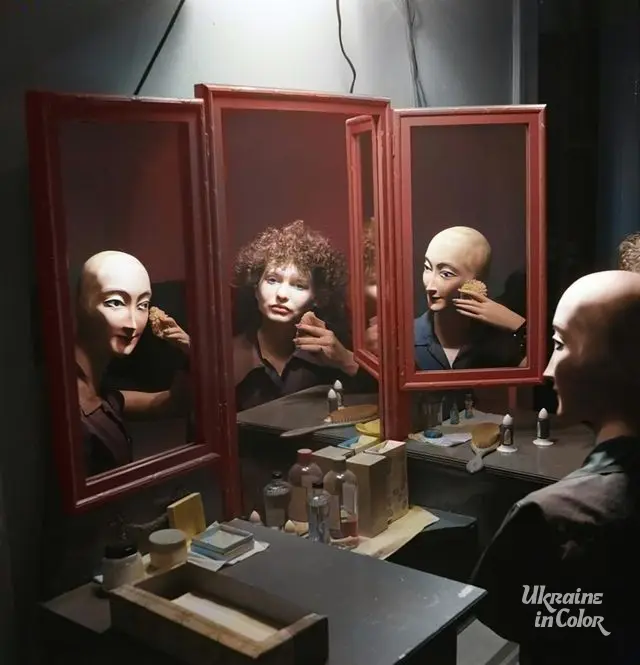
Maya Deren in mirror
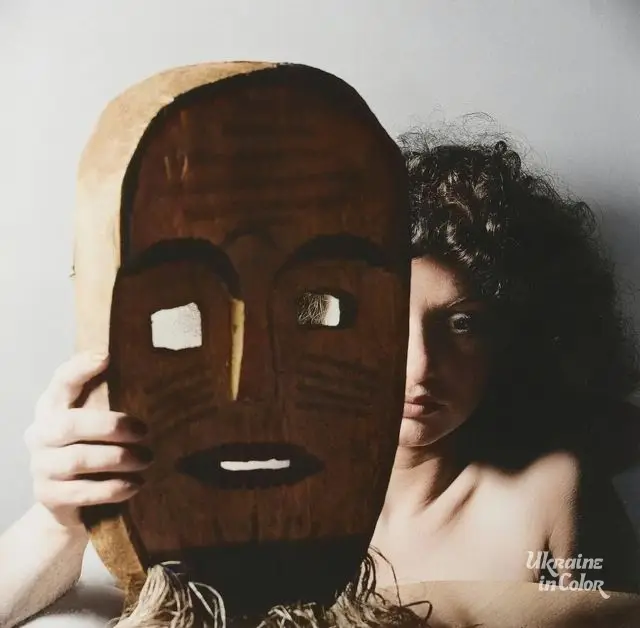
She anticipated American underground cinemaThe artistic style of Eleonora Maya Deren anticipated American underground cinema. In 1943, she made one of the most influential experimental films in American cinema, Meshes of the Afternoon, in collaboration with cinematographer Alexander Hammid.
Soul of Ukrainian cinema Ivan MykolajchukPlayed 34 roles in movies, wrote 9 scripts and has two directorial works. In the Ukrainian SSR, communist party marked him as "untrustworthy", but nation called him "the soul of Ukrainian cinema".