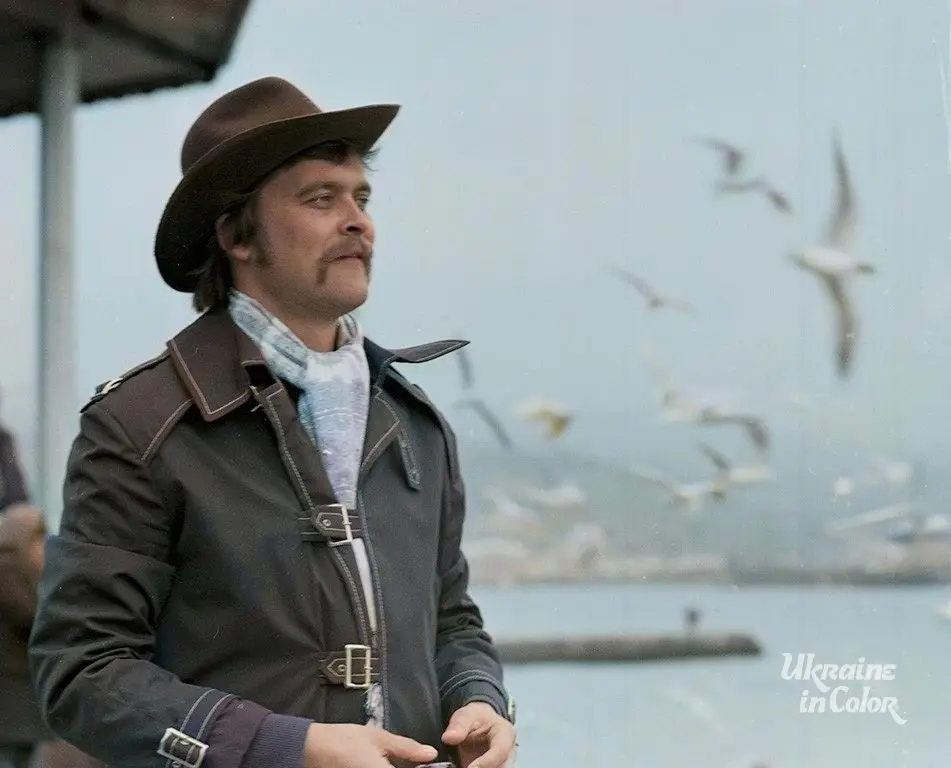
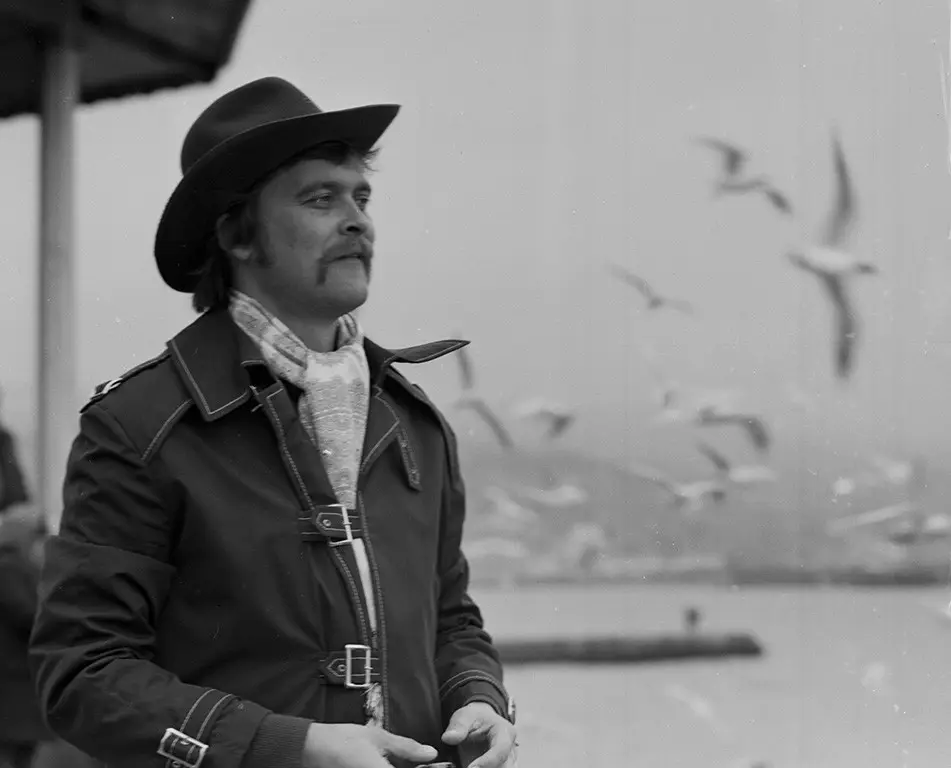
Played 34 roles in movies, wrote 9 scripts and has two directorial works. In the Ukrainian SSR, communist party marked him as "untrustworthy", but nation called him "the soul of Ukrainian cinema".
Original: All rights reservedRestoration: All rights reserved
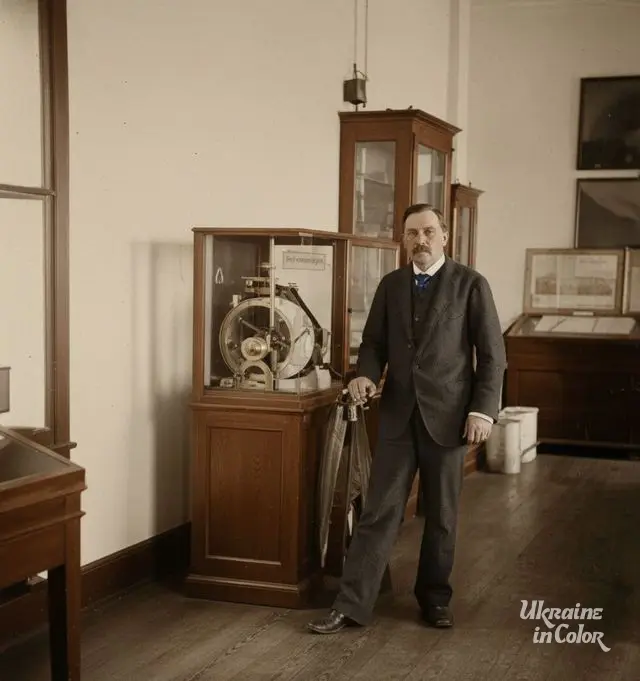
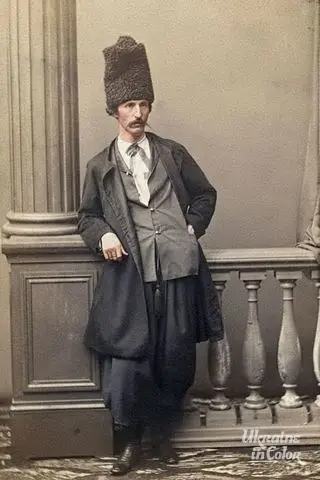
Пантелеймон Куліш у шапціPanteleimon Kulish (1819–1897) was a key figure in the Ukrainian cultural revival. He authored the first Ukrainian historical novel, The Black Council (1857), and worked as a publisher and editor (including the journal Osnova), as well as an ethnographer and historian. He developed the phonetic Ukrainian orthography known as “Kulishivka,” translated Shakespeare and worked on a translation of the Bible, helping to establish standards for the literary Ukrainian language. He moved in the circle of Taras Shevchenko, was married to the writer Hanna Barvinok (Oleksandra Bilozerska), and was connected to the intellectual milieu of the Cyril and Methodius Brotherhood. He hailed from the then Chernihiv Governorate (now Sumy Oblast).
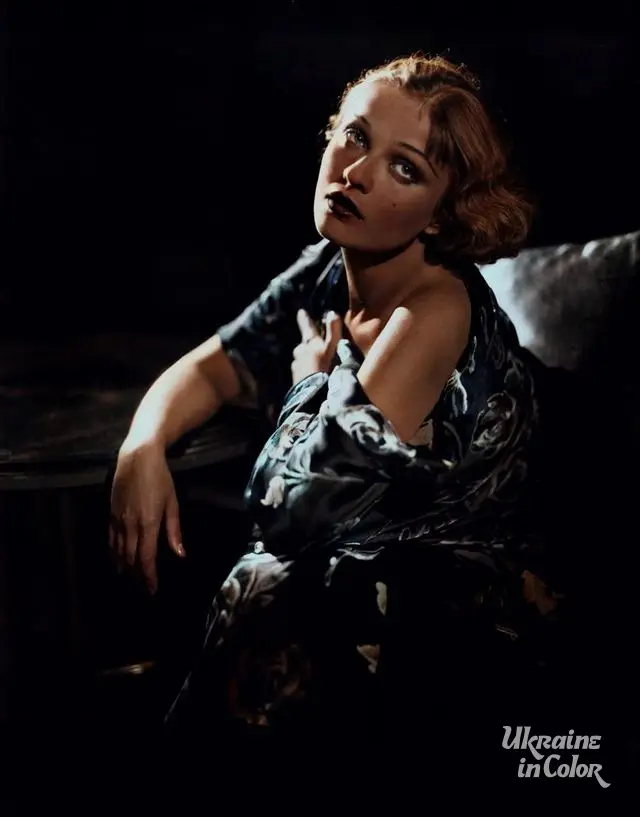
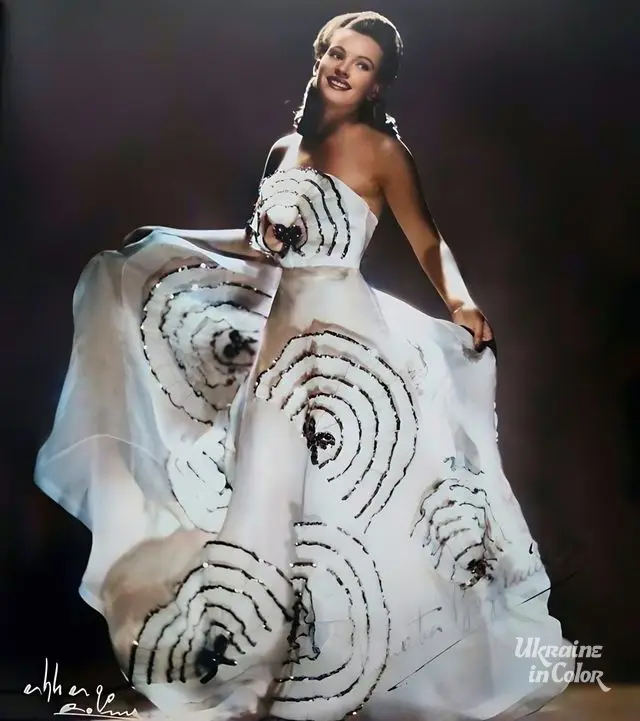
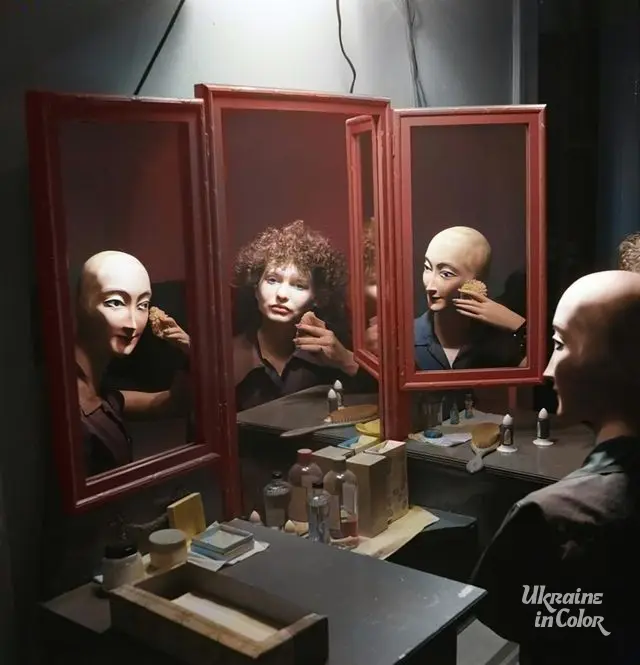
Anna Sten in Nana (1934), dark room
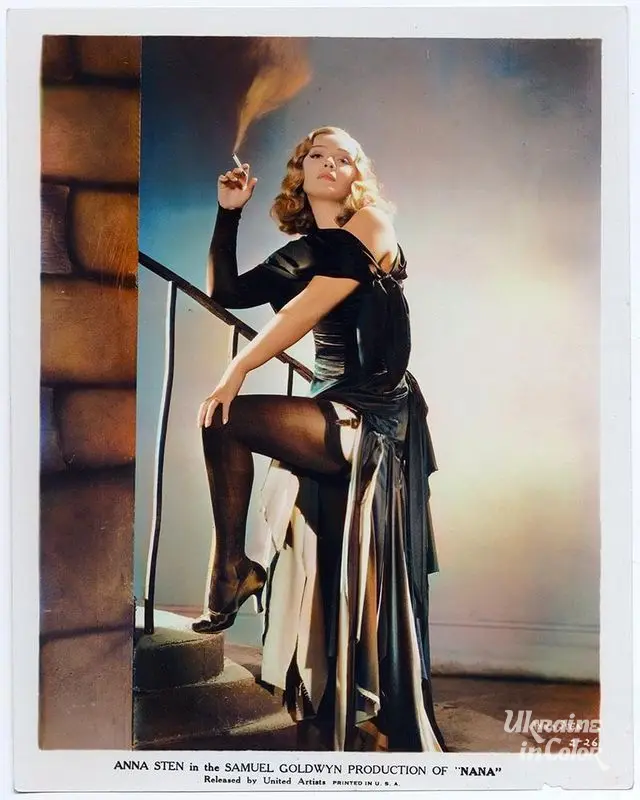
Anna Sten in Nana (1934)
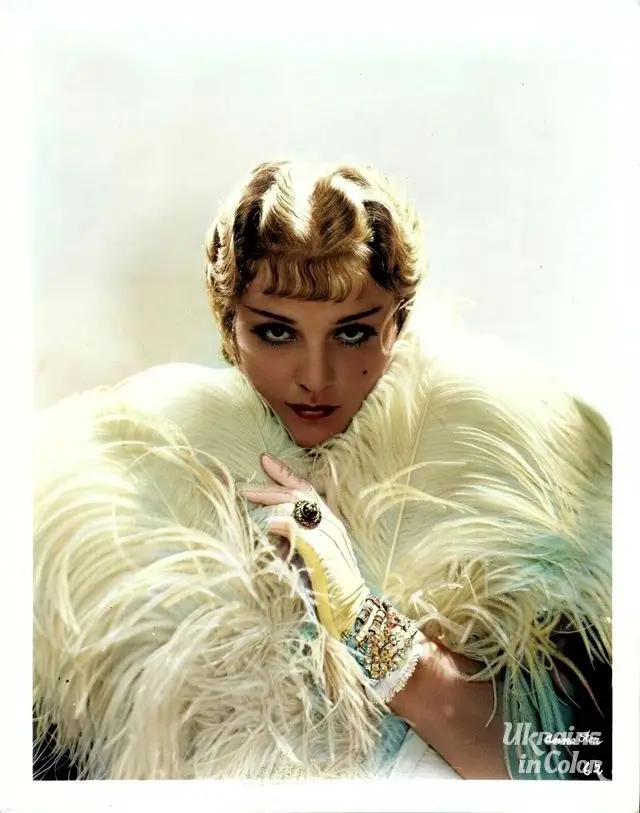
Anna StenUkrainian-born Hollywood actress Anna Sten (1908 – 1993) rose from Kyiv’s theatre scene and early Soviet silents to German talkies before Samuel Goldwyn brought her to the United States, promoting her as “the next Greta Garbo.” Notable films include Nana (1934), We Live Again (1934) and The Wedding Night (1935). Her cosmopolitan career and star-making myth embody the transnational currents of 1930s cinema.
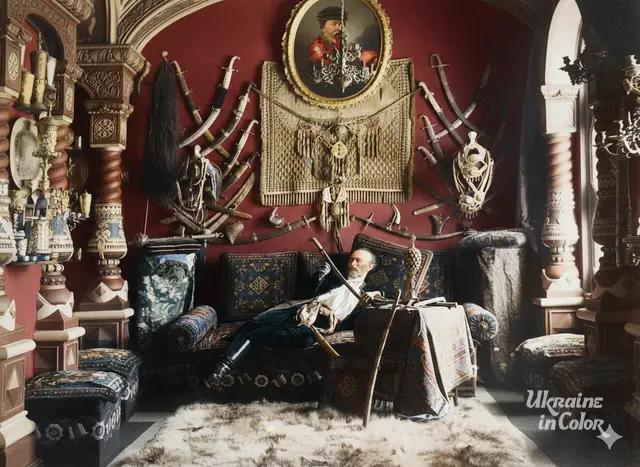
Vasyl Vasiliovych Tarnovskyj Junior admires his collection of Cossack antiquities.
Kachanivka
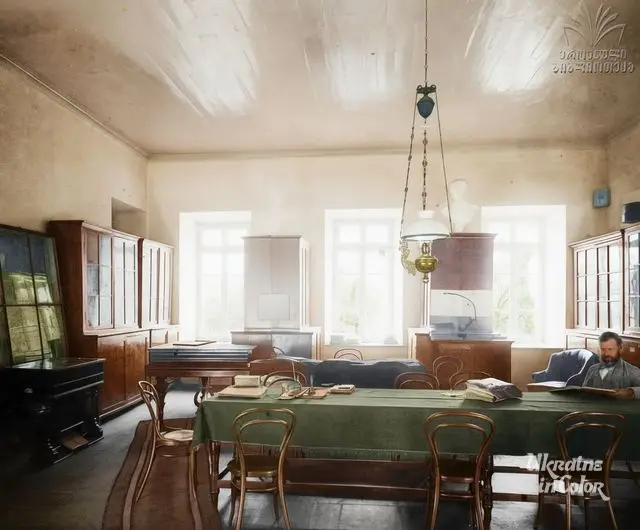
Stoianov at the Batumi Classical Gymnasium
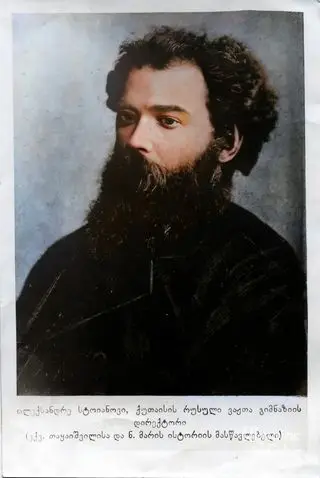
The first foreigner who boldly defended the rights of Georgians to their native languageA teacher, ethnographer, and defender of cultural heritage in the 19th century - Olexander Stoianov
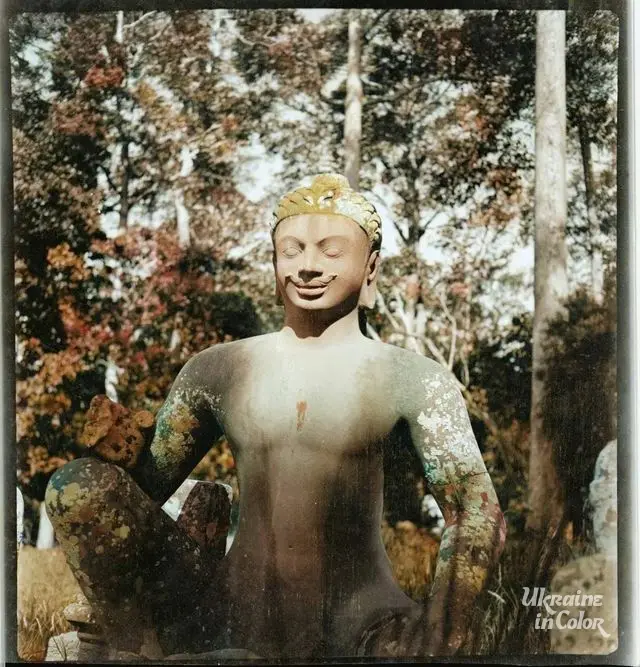
The statue of the god at Angkor through the eyes of Sofia Yablonska
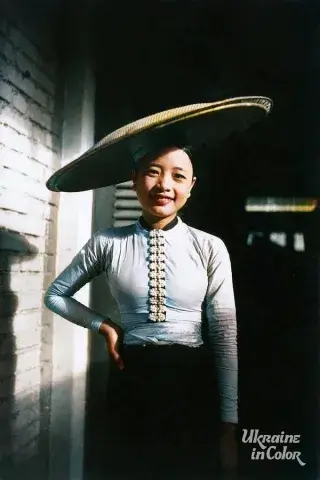
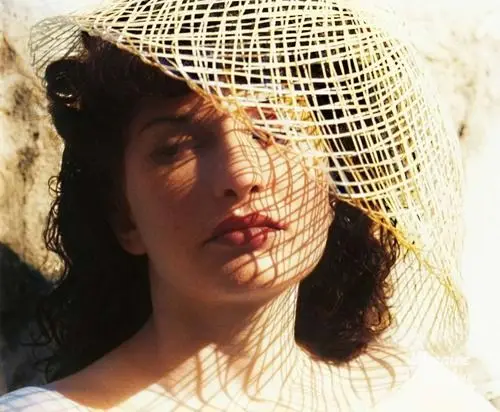
A girl in a hat
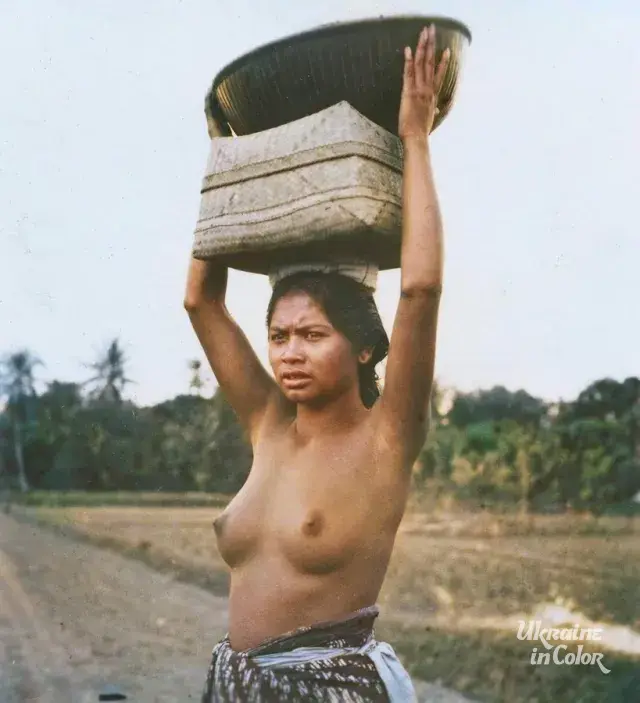
A half-naked girl with a basket on her head
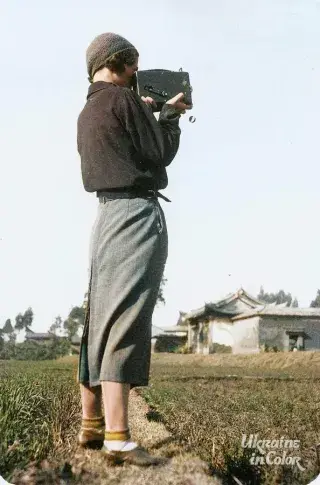
Sofia Yablonska with a camera
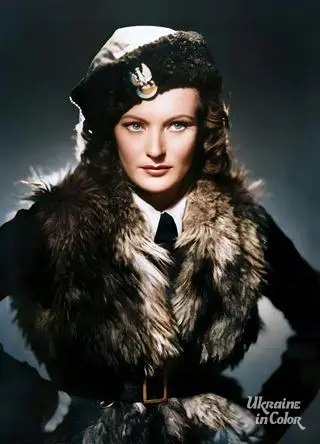
Irena Bohdanova in a dress
"The Great Way" of Renata Bohdanska
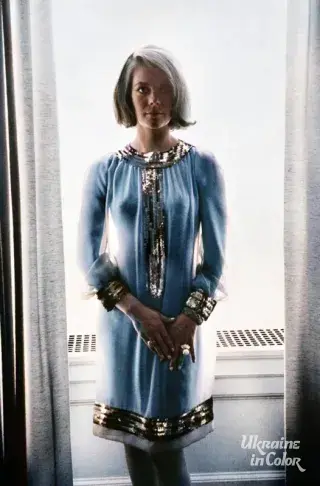
Natalie Wood on the phone
Natali Wood
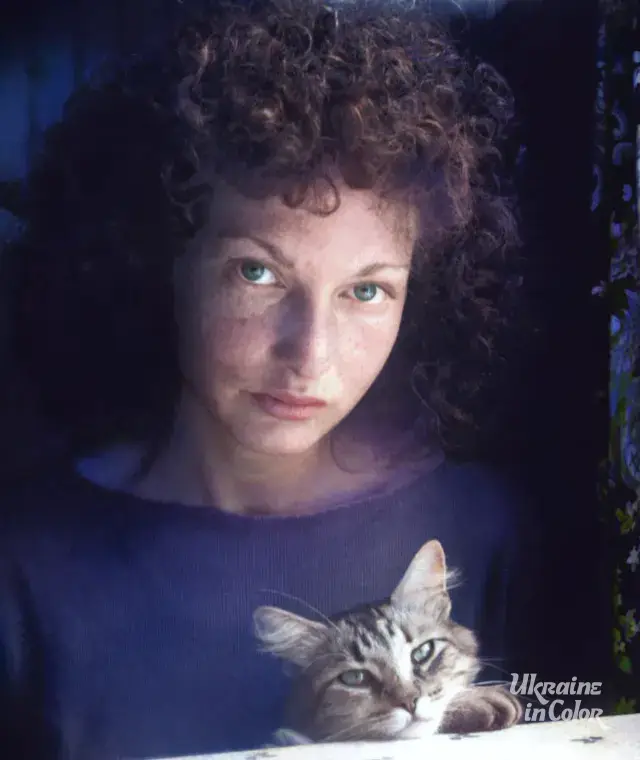
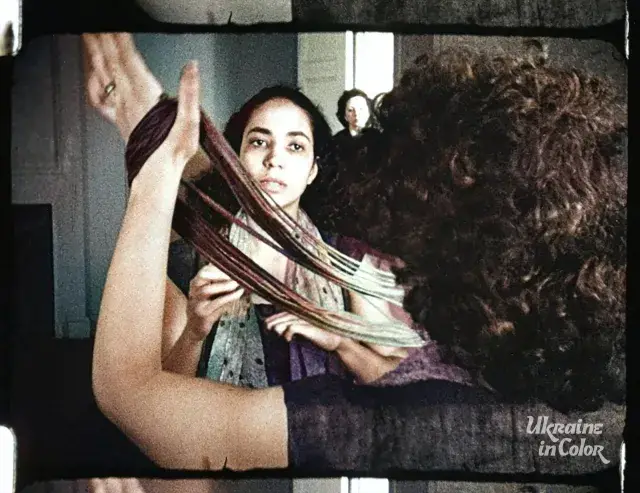
Maya Deren with a cat
Maya Deren in Kyiv as a child with her mother, 1918
A still from “Ritual in Transfigured Time,” with Rita Christiani, Anaïs Nin, and Deren in the foregr
Unknown photograph of Maya Deren
Maya Deren in the scene of the movie "Meshes of the afternoon"
Maya Deren in mirror
Dzyga Vertov
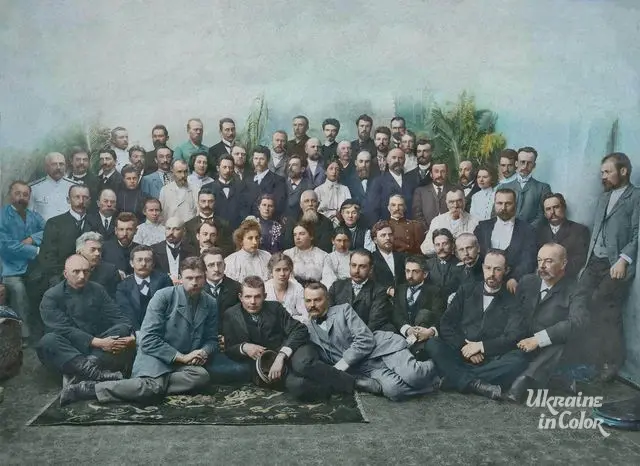
Cultural elite at the opening of the monument to KotlyarevskyThe first work of new Ukrainian literature - "Aeneid", written in the vernacular back in 1798, is a symbol of a new era for Ukrainian culture.
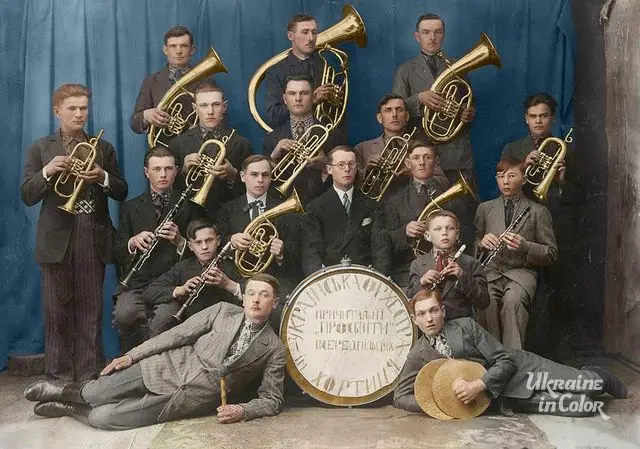
Ukrainian Orchestra Hortytsia
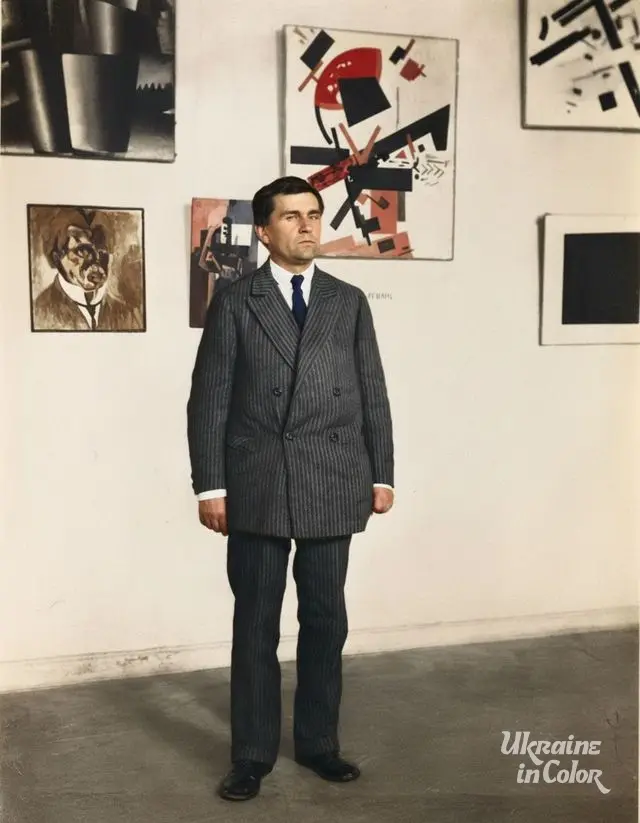
Kazymyr Malevych - ukrainian artistHis work is evidence of how the avant-garde moves forward, constantly looking back, how traditional Ukrainian folk culture becomes an inspiration for revolutionary and modern art.
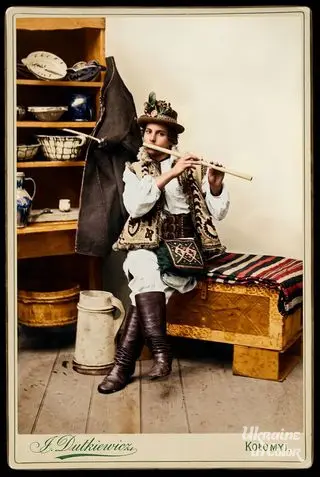
Musician from KolomyiGalicia is famous for its musical diversity, which is deeply integrated into social life even today.
Solomiya Krushelnytska in costumeIn the modern Ukrainian tradition, she is included in the list of the most famous women of ancient and modern Ukraine.
Dissident Lukyanenko in the hands of the people on the day Ukraine regained independence in 1991
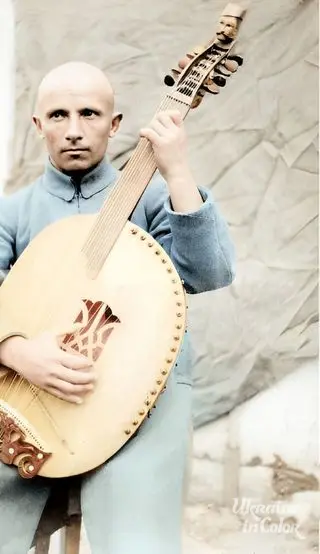
Bandurist Danylo Sherbyna
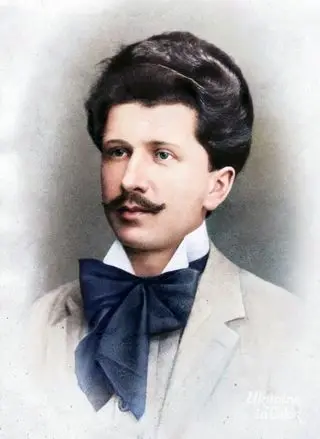
Stanislav Ludkevych - legend composerHe became the first professional musician of Galicia, the founder of leading musical genres, primarily symphonic and instrumental.
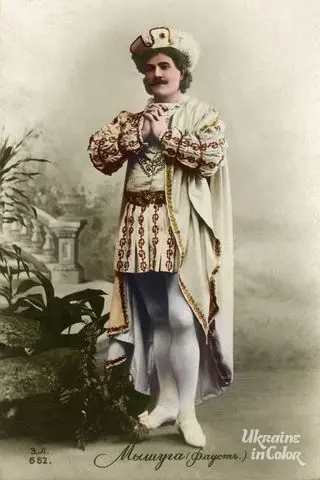
King of tenors Oleksandr Myshuga in the role of FaustAt the end of the 19th century, the Ukrainian Oleksandr Myshuga was considered the "king of tenors" and the owner of the best lyrical voice.
On the world stage, he was placed in the same row with Caruso and Chaliapin, on the Ukrainian stage - with Solomia Krushelnytska and Modest Mentsynskyi.
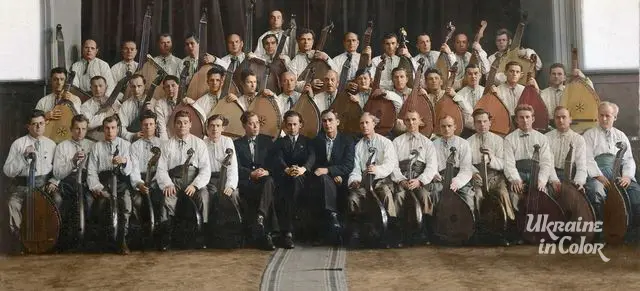
Kobzar capellaBandura and its tradition existed throughout Europe for centuries, but only Ukrainians were able to preserve it to this day.
Mykhailo Hrushevskyi with a group of Ukrainian student youth in PoltavaAt the celebration of the 75th anniversary of the death of Ivan Kotlyarevskyi