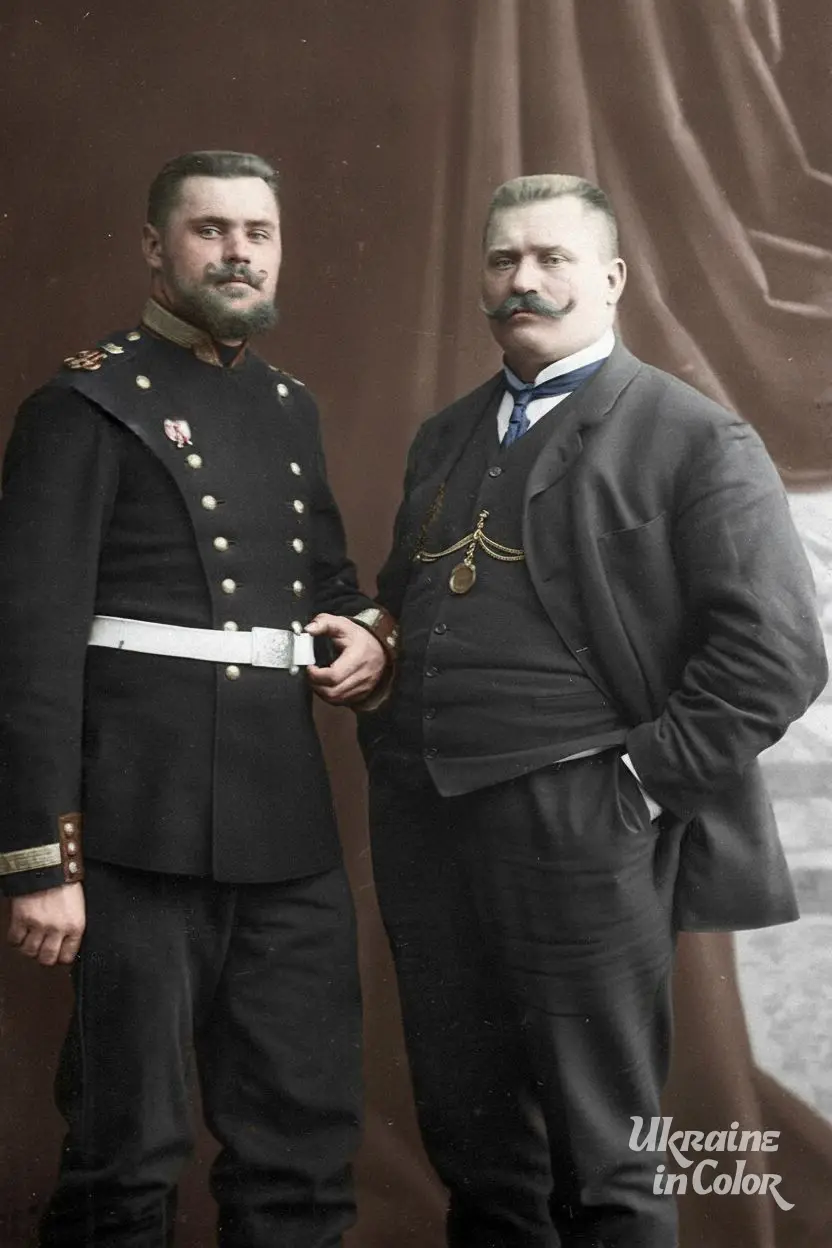
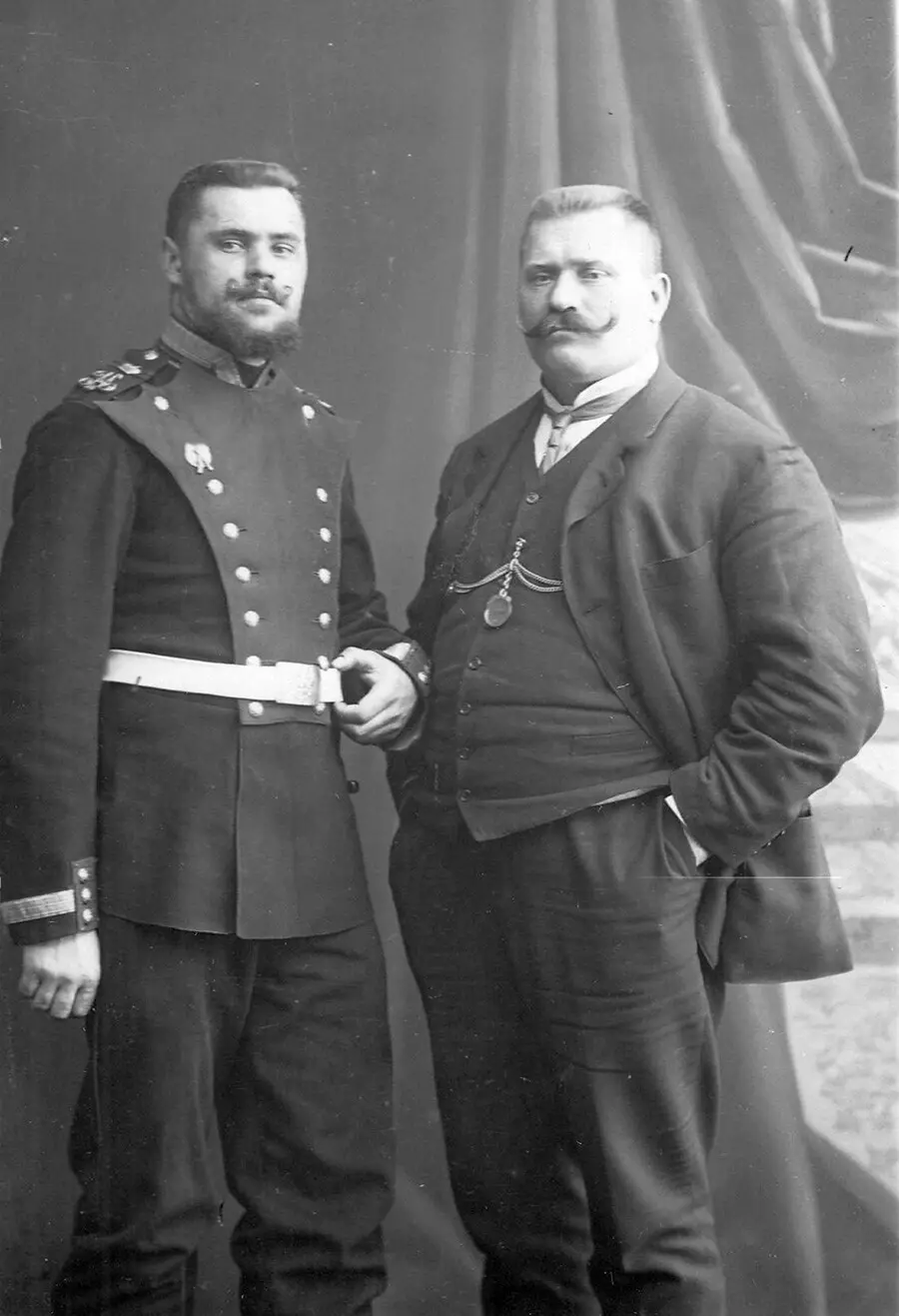
Ivan Poddubny (R) with one of his younger brothers | Ukraine in color
Ivan Poddubny (R) with one of his younger brothers
Depicted:Ivan PiddubnyiOriginal: All rights reservedRestoration: All rights reserved
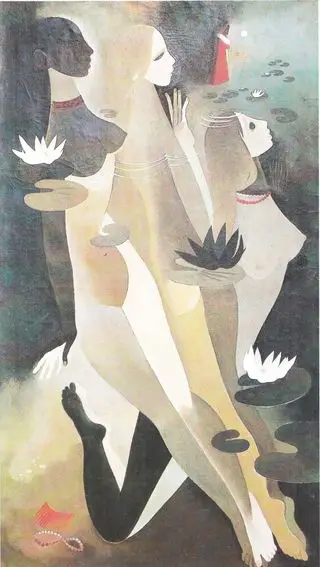
Water-NymphsHalyna Mazepa's first year in Venezuela. She painted these Ukrainian water-nymphs in Caracas, ten thousand kilometres from the river they came out of.
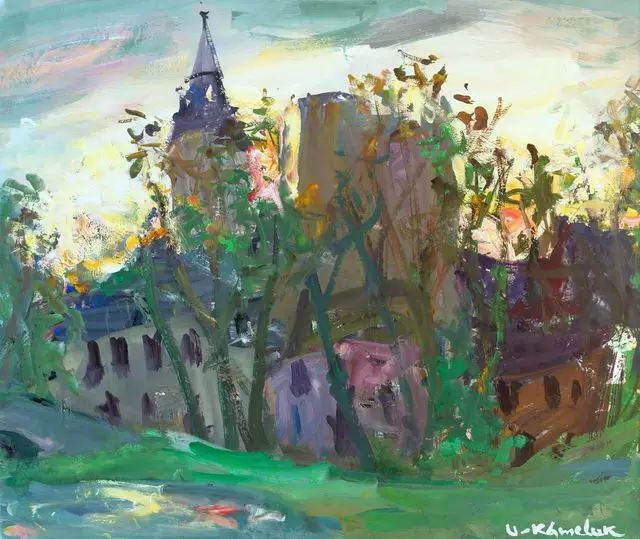
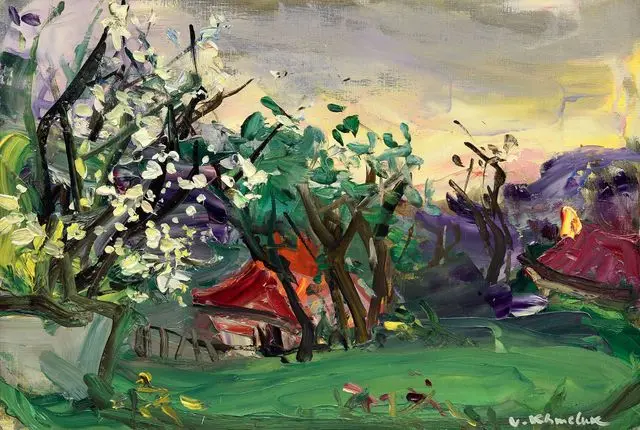
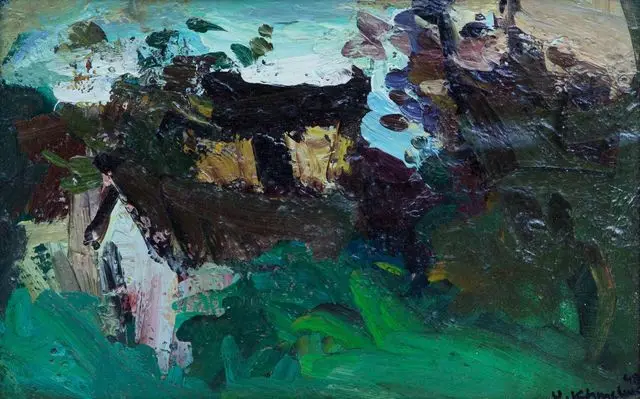
The FortressLate Khmeliuk — the bright contrasting colour he used for flowers and for stone alike.
Landscape at TaversThe original title is Paysage à Tavers. Tavers is a small town on the Loire.
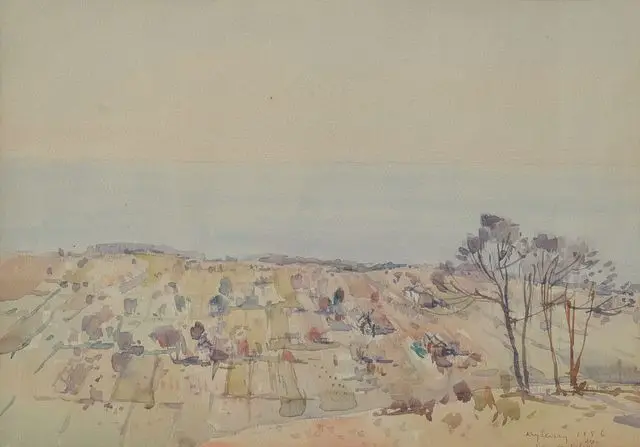
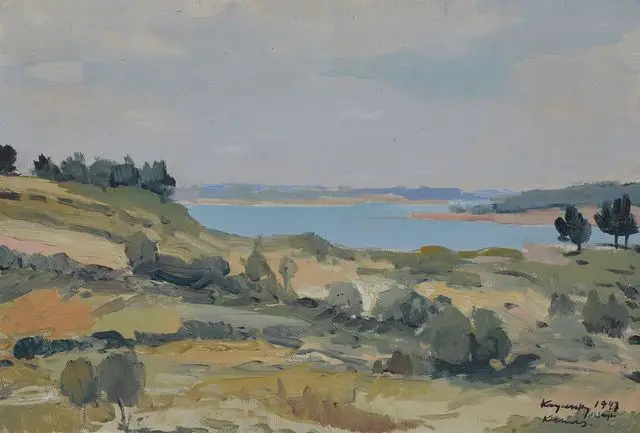
LandscapePost-war Paris. By then Khmeliuk had been living in France for twenty years.
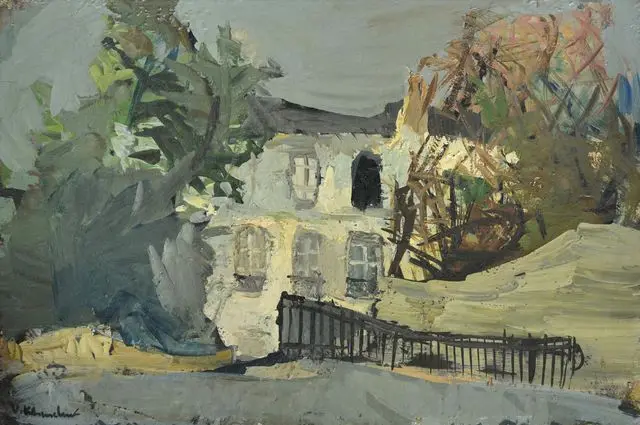
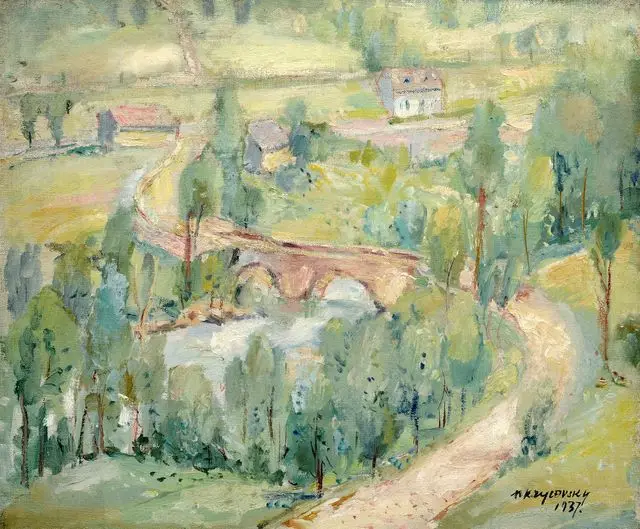
ChateauThe French provinces seen by a man who arrived here from the Ukrainian war of independence of 1917–1920.
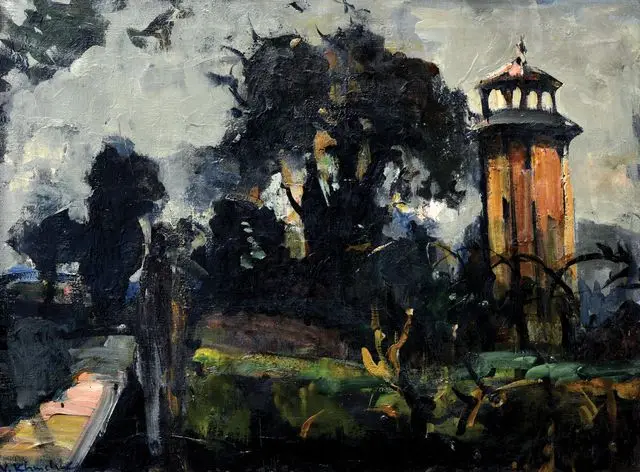
Landscape with a TowerKhmeliuk's first Parisian decade. In 1932 he held a solo exhibition at the «Young Europe» gallery.
VeniceThree years before his death. Krychevsky died in Paris in 1961, having never returned to Ukraine.
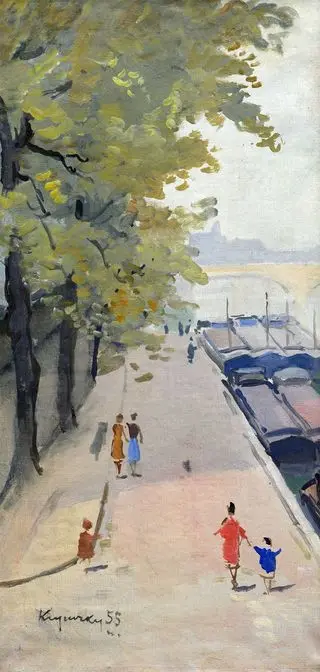
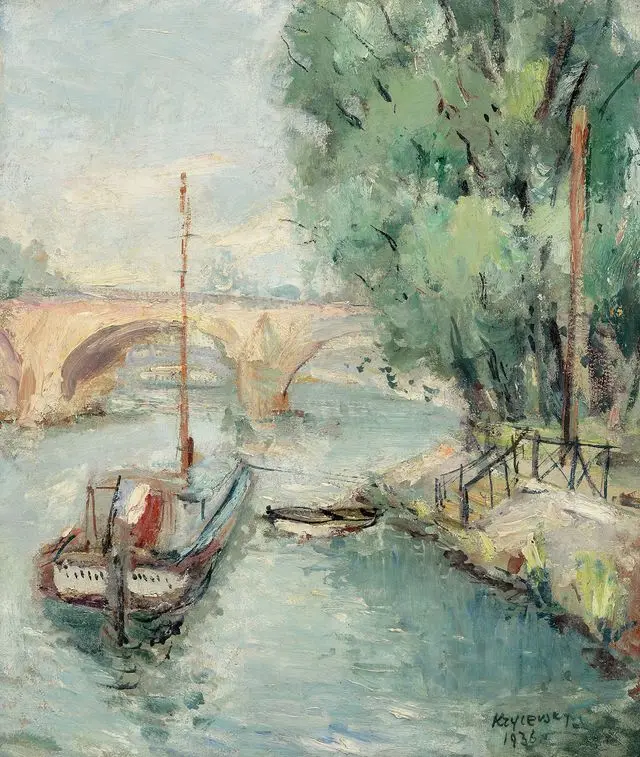
The Seine Embankment. ParisAfter America he came back to the same water he had painted twenty-one years earlier.
Canada, OntarioThe same transatlantic journey. Canada was then home to one of the largest Ukrainian communities in the world.
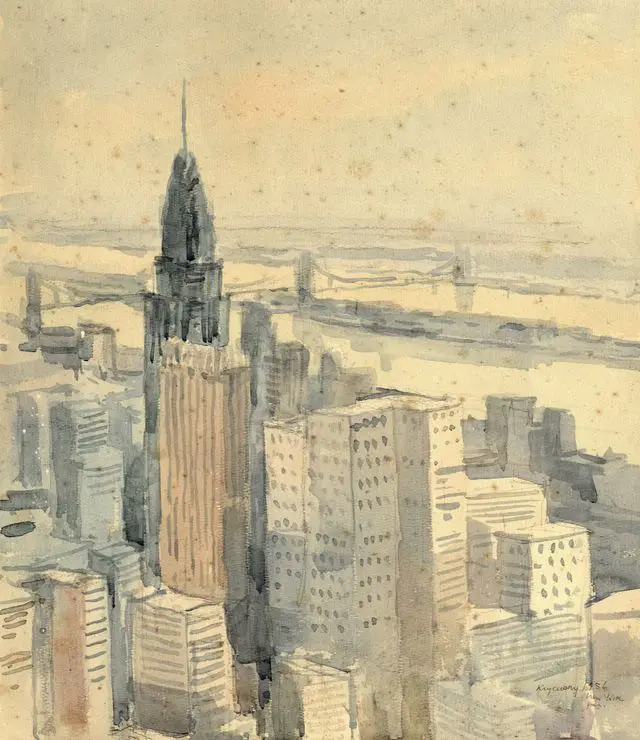
New YorkAt fifty-eight Krychevsky crossed the ocean for the first time. In the same year he also painted Canada.
The EmbankmentWater and a quayside — the subject Krychevsky returned to all his life, from Paris to Venice.
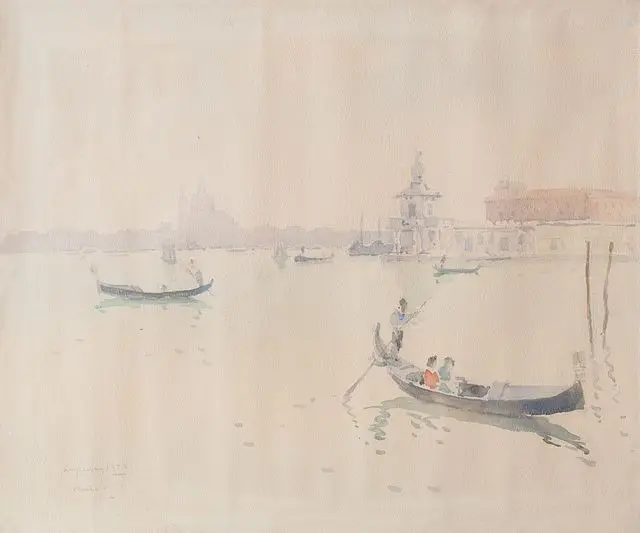
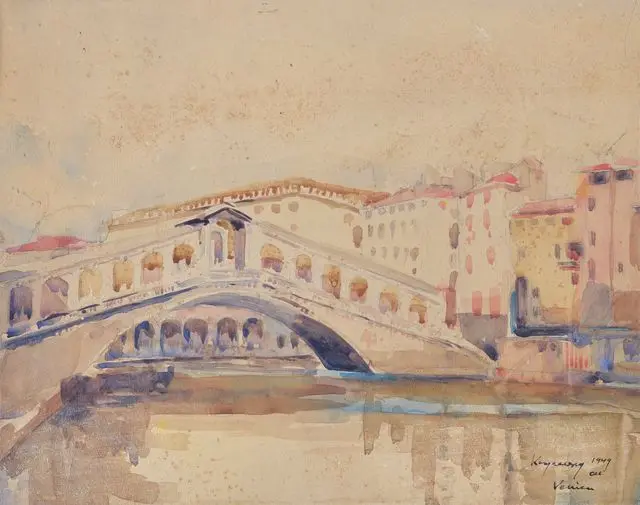
Venice. The Rialto BridgeVenice was Krychevsky's second city after Paris. He returned to it again in 1956, and in 1958.
Brittany. FranceThe first years after the war — the point at which the Ukrainian emigration understood for good that there would be no going back.
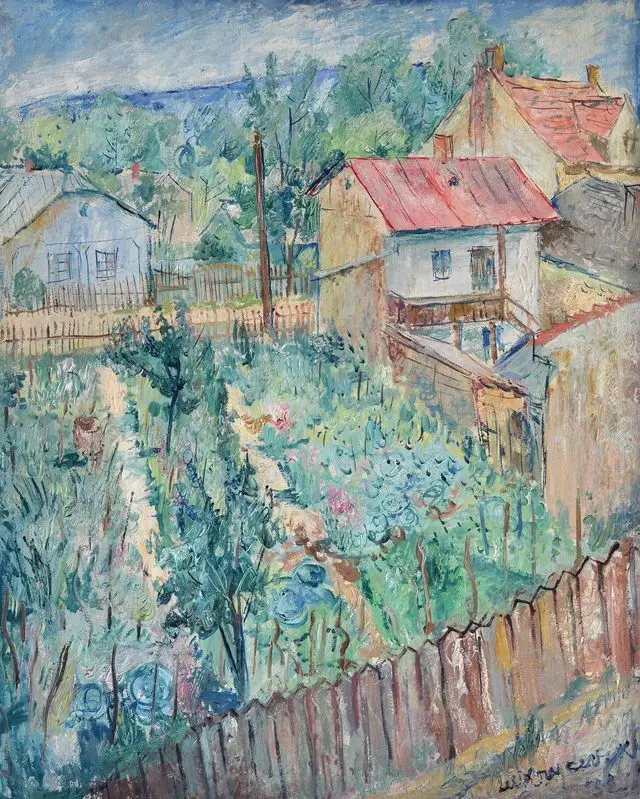
The Outskirts of ParisNot the tourists' Paris but its edges — what a person who lives there sees, rather than one who is visiting.
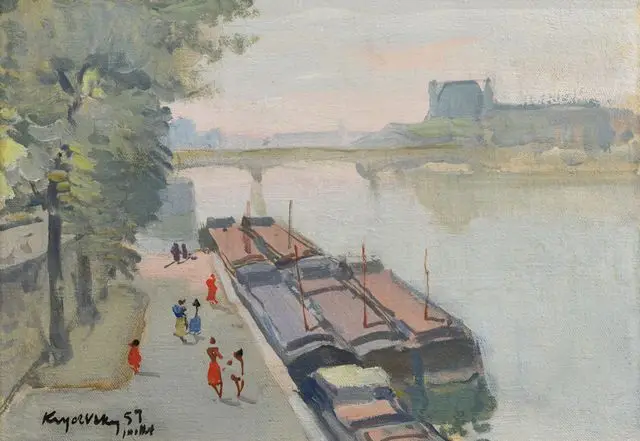
The Seine Embankment. ParisThe Seine would be Krychevsky's principal subject for twenty-five years; he painted it in any weather.
A Courtyard in ProvenceKrychevsky's third year in Paris. The south of France would become one of the standing routes of his life.
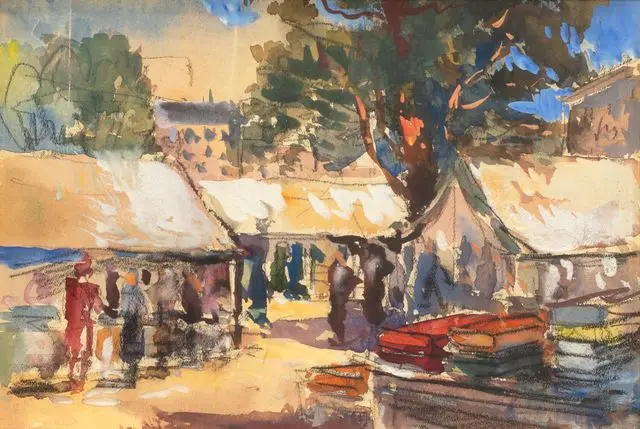
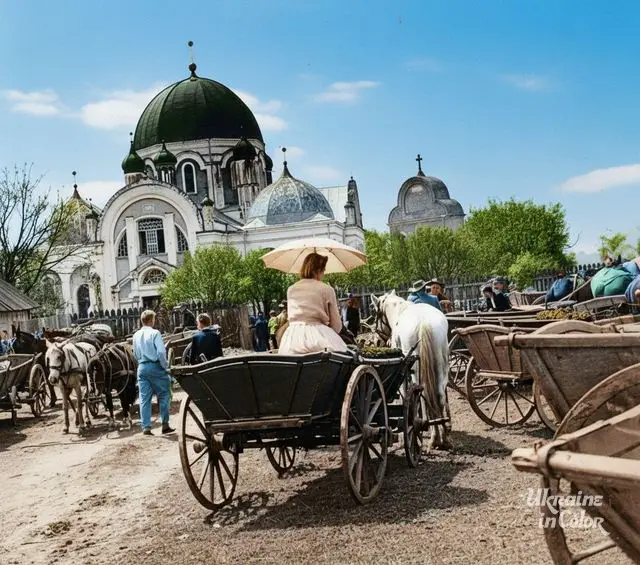
Bazaar in UzhhorodThe last Ukrainian town in Mykola Krychevsky's life. In July 1923 he left for Prague; from 1929 he lived in Paris and never returned.
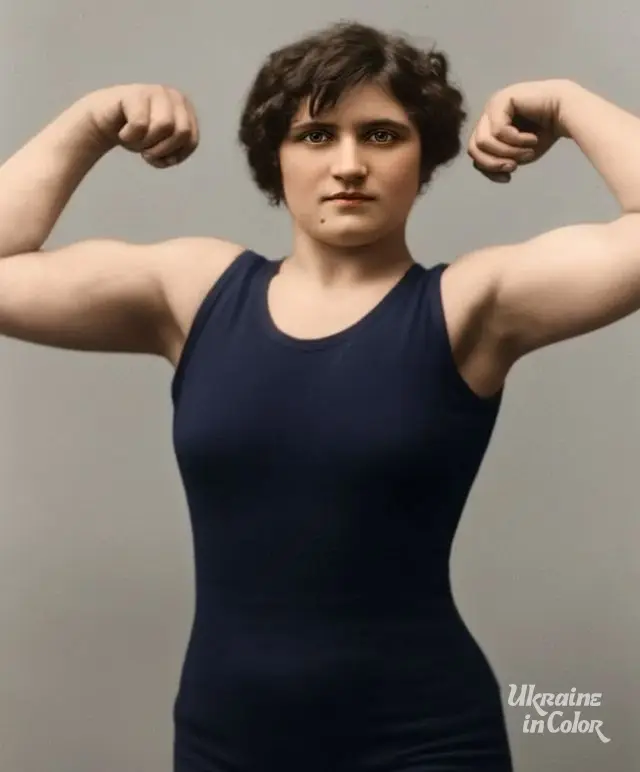
World champion in classical women's wrestling (1915) - Maria Yakymovna KovacIn 1913 she came to Odessa to earn money. On the recommendation of friends she moved to study with famous wrestlers in St. Petersburg, where she signed a contract to perform at women's championships, in circuses, and theaters. During performances she bent iron with her teeth, lay down under the platform over which a car was passing. In 1914 she defeated the Scottish ring star Kelt, the Bulgarian Glovcheva, the Romanian Vasilescu, in 1915 in Kyiv—the world champion K. Giraldi from Revel (now Tallinn). At the beginning of World War I she moved to the city of Zhmerynka (now Vinnytsia Oblast), graduated from medical courses. In 1917–22 she worked as a nurse (in particular in the Hnivan hospital); in 1922–23—a typist of the Hnivan city executive committee, in 1937–59—a Vinnytsia Oblast sugar trust. I did not return to sports.
Borchynia Zavidna Agafia RodionovnaShe was 190 cm tall and weighed about 170 kg. In 1904–10 she studied wrestling with I. Poddubny, who helped her create strength moves that even men could not repeat, and also performed with him at tournaments. She broke chains, bent horseshoes in one hand, lifted a “two-pounder” (about 33 kg) with one little finger, held eight people in the “wrestling bridge” position on her, did a “carousel” with an iron rail, the ends of which were held by 3–4 people; a 164-kilogram stone block was broken on her chest with hammers. From 1911 she performed independently in the Russian Empire, the countries of Europe, Central and Central Asia, and Africa. Before World War I, she was the only woman in the Russian Empire who received a patent for the right to hold French wrestling championships. In 1918–20, she lived in Nikopol. During one of her performances, she was injured, but after recovering, she continued to perform. The house where the athlete lived has been preserved in Nikopol.
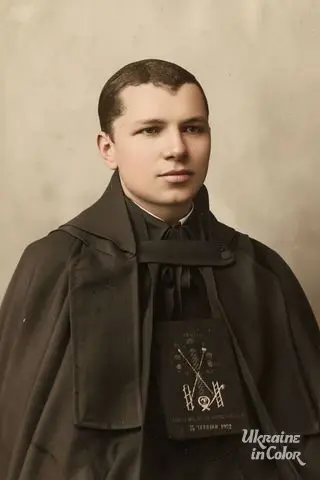
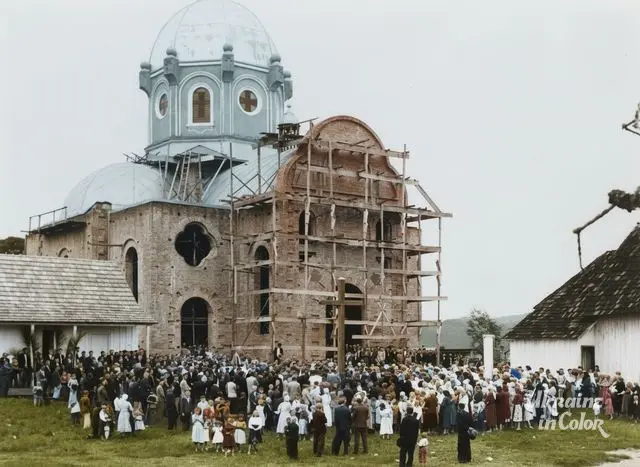
Father Mykola Lysko - one of the first priests who arrived in the Ukrainian community of the first settlers of the state of Paraná in Brazil
A man from the Ukrainian community, the first immigrants in Brazil, demonstrates the art of having many children on the doorstep of his house
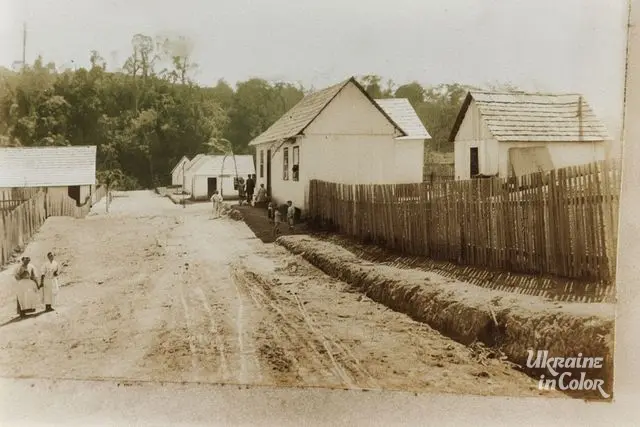
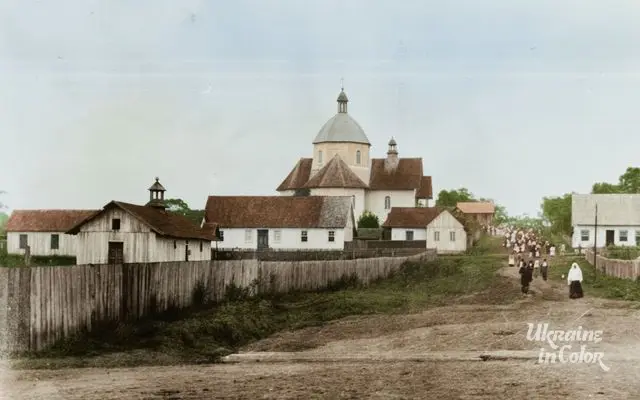
The first streets of Ukrainian emigrants in Brazil
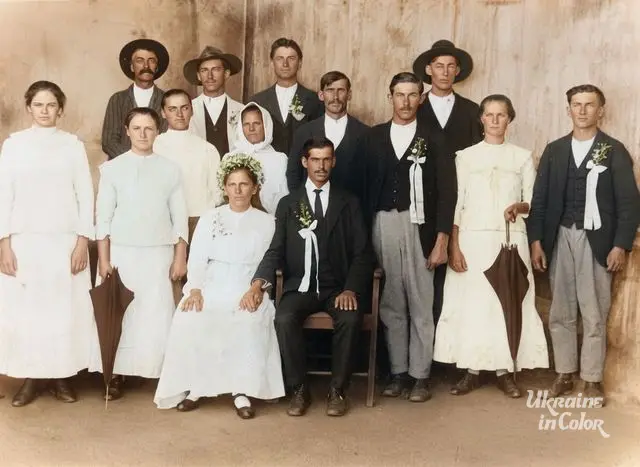
Wedding family photo of the first immigrants from Ukraine in Brazil
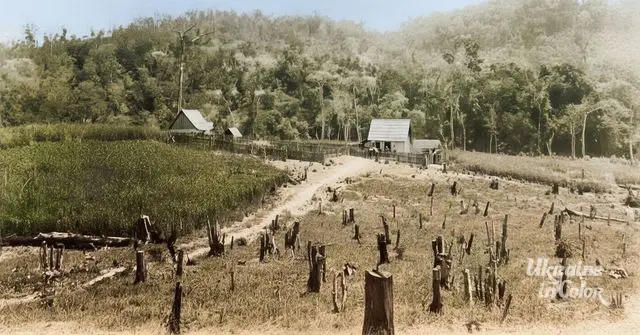
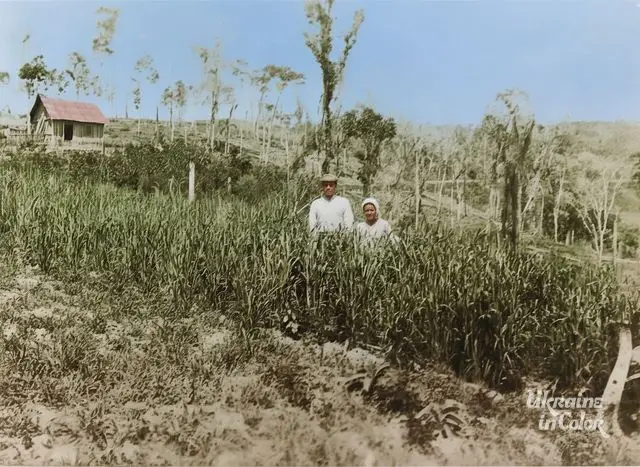
Tree stumps in the first Ukrainian settlements in Brazil
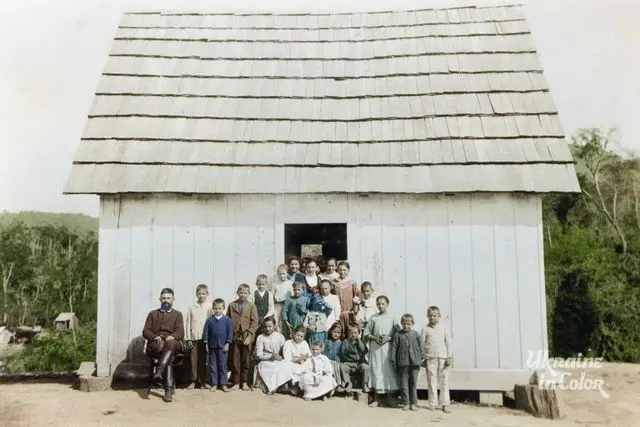
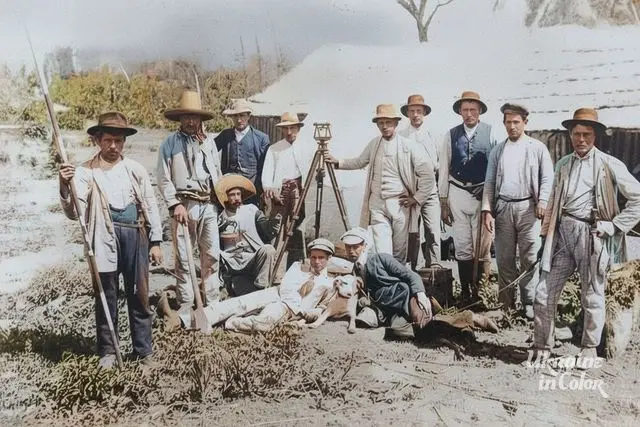
The Gazdas are ready to explore the vast expanses of Brazil, which will later become the state of Paraná and the city of Prudentópolis.
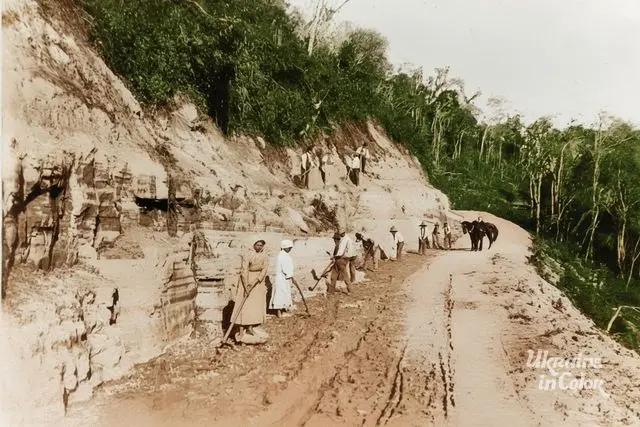
Construction of the first roads in the state of Paraná, in the Brazilian jungle, by Ukrainian immigrants
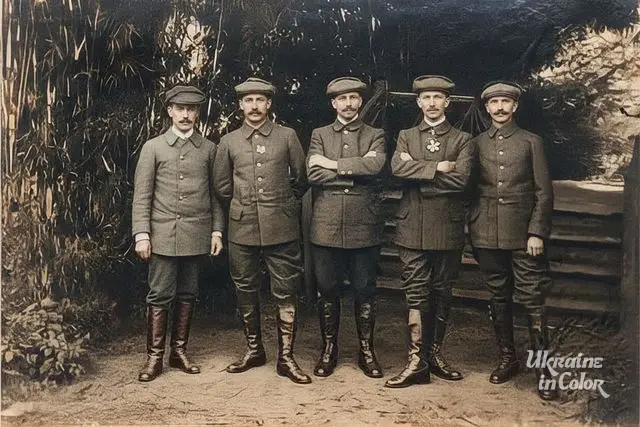
Brazilian gentlemen from Ukraine in nice suits
Ukrainian farmers have greatly improved the Paraná region in terms of agro-industry, and this trend continues to this day.
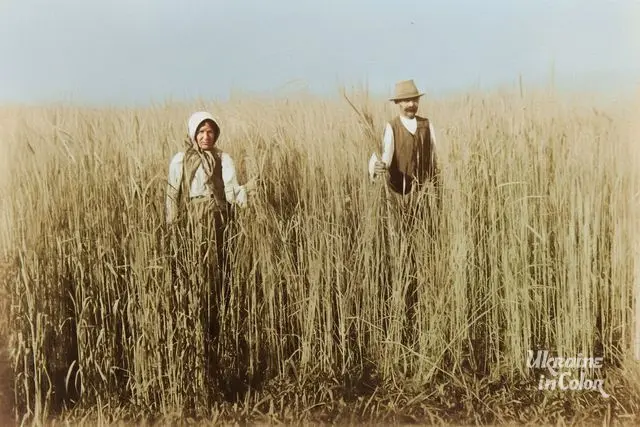
The first Brazilian harvests of the first Ukrainians on the continent in wild conditions
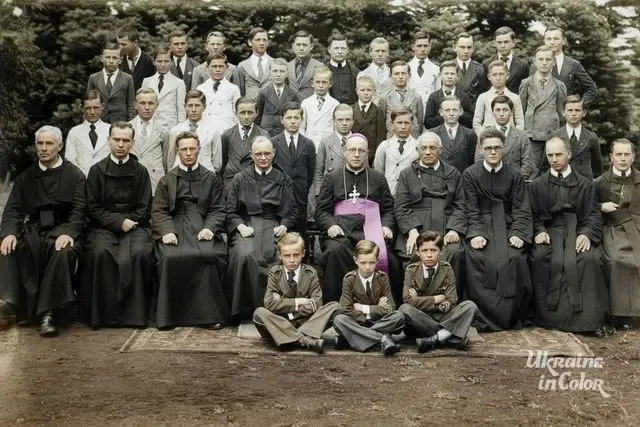
Basilian priests Tiko and Diva
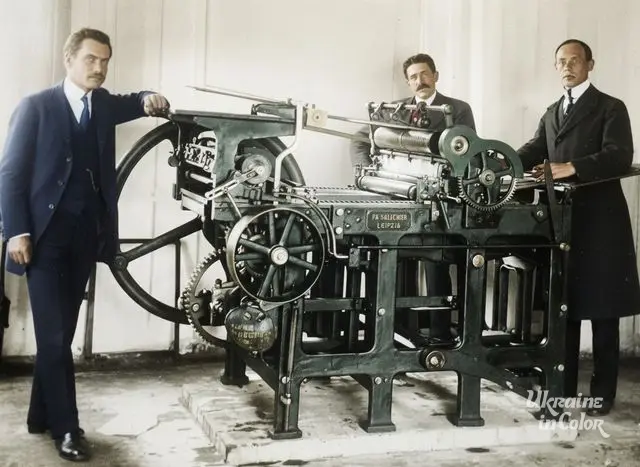
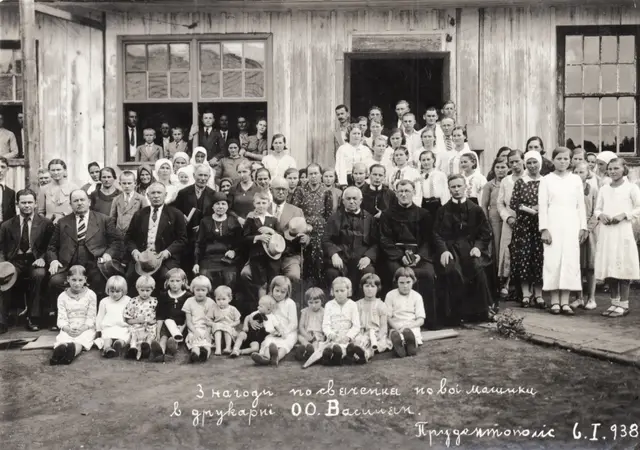
The first printing press in Prudentopolis
Father Athanasius. The grand opening of the new printing house in 1938.